

Welspun Living Q1FY27 net profit rises 83% to ₹160.73 crore


Welspun Living posted an 83% YoY rise in Q1FY27 net profit to ₹160.73 crore, aided by a 23.5% revenue increase to ₹2,795.45 crore. EBITDA margin expanded to 12.5%, driven by strong home textile exports and operational efficiency. The company also published its earnings call transcript on August 17, 2026.


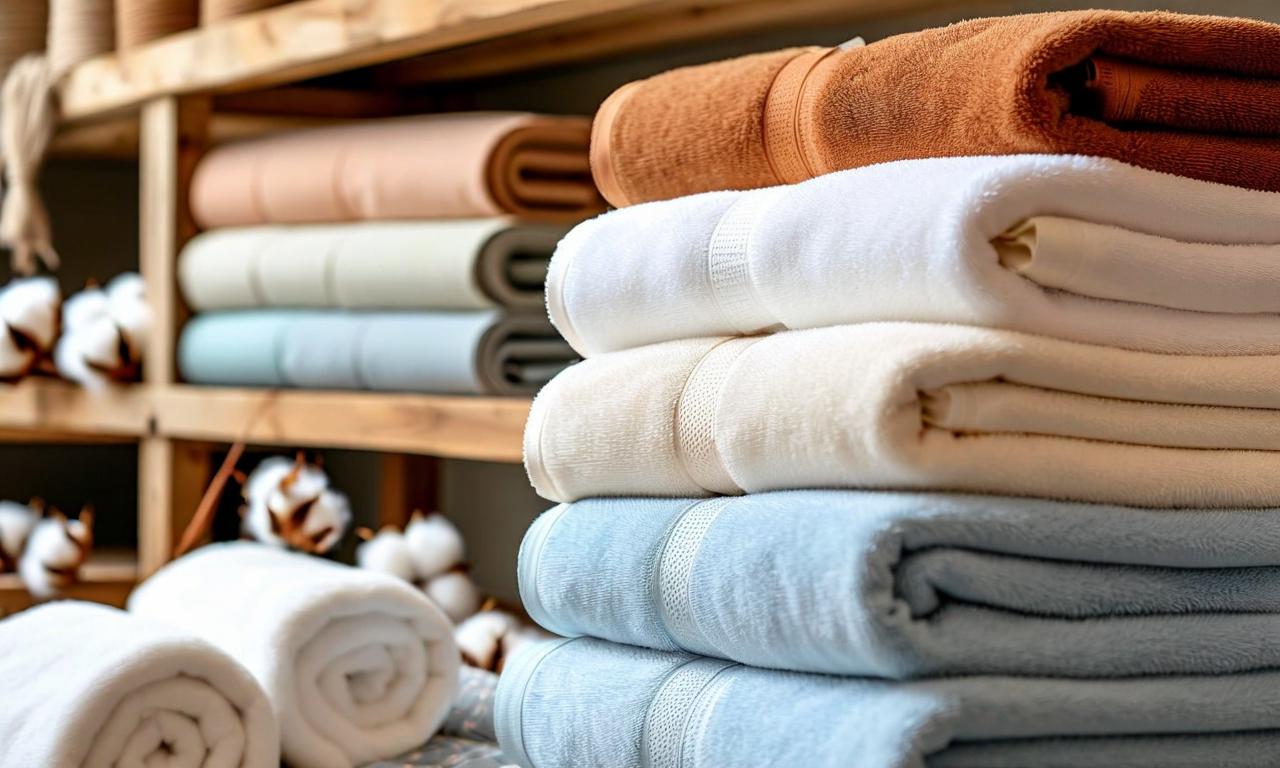
*this image is generated using AI for illustrative purposes only.
Welspun Living delivered its strongest growth in seven quarters for Q1FY27, reporting a consolidated net profit attributable to owners of ₹160.73 crore, up from ₹87.55 crore in Q1FY26. The company’s revenue from operations stood at ₹2,795.45 crore, reflecting a 23.5% year-on-year increase and a 15.4% sequential rise.
The Board of Directors approved the unaudited financial results in a meeting held on August 13, 2026. The Statutory Auditors, S R B C & Co LLP, issued a limited review report on the consolidated and standalone financial results. On August 17, 2026, the company released the transcript of its Q1FY27 conference call, which is available on its website for investor reference.
Financial Highlights
Profitability metrics improved alongside top-line growth, with EBITDA reaching ₹353.79 crore (including un-allocable income), up from ₹254.32 crore previously. The EBITDA margin expanded to 12.5%, up 140 basis points year-on-year and 170 basis points sequentially.
| Metric: | Q1FY27: | Q1FY26: | Change: |
|---|---|---|---|
| Revenue from Operations: | ₹2,795.45 crore | ₹2,260.57 crore | +23.5% |
| EBITDA (Total Segment + Unallocable): | ₹353.79 crore | ₹254.32 crore | +39.1% |
| EBITDA Margin: | 12.5% | 11.1% | +140 bps |
| Consolidated Net Profit (Owners): | ₹160.73 crore | ₹87.55 crore | +83.0% |
Business Segment Performance
Home textile exports grew 28.1% year-on-year, supported by improving global demand. The UK and Europe regions delivered over 20% growth, while the US pillow business grew 2.3x year-on-year. Domestic business sustained momentum with nearly 21.3% year-on-year growth as brands penetrated deeper into households. Global brands, including Christy, maintained double-digit growth and contributed approximately 12% of revenues.
Flooring margins improved to 10.4%, reflecting operational discipline despite softer export volumes. Innovation contributed roughly 25% of the business. The Anjar facility began operating on 100% green power effective mid-July 2026.
What the Numbers Show
The expansion in EBITDA margin from 11.1% to 12.5% demonstrates significant operating leverage. While revenue increased by 23.5%, total segment profit before interest, depreciation, and tax grew by approximately 39.5%. This divergence indicates that cost management and mix shifts toward higher-margin products or regions drove profitability growth faster than sales volume. Additionally, other income rose sharply to ₹32.71 crore from ₹28.90 crore, though this remains a minor component relative to operating profits.
Corporate Actions and Risks
Subsequent to the quarter ended June 30, 2026, Welspun Living completed the transfer of its 51% stake in Welspun Captive Power Generation Limited on July 31, 2026, reclassifying it from a subsidiary to an associate. Operations at the Vapi manufacturing unit were disrupted since July 23, 2026, due to heavy rains and flooding; the company is assessing the impact but noted all assets are adequately insured.
Historical Stock Returns for Welspun Living
| 1 Day | 5 Days | 1 Month | 6 Months | 1 Year | 5 Years |
|---|---|---|---|---|---|
| -0.65% | +9.61% | +17.49% | +102.20% | +82.27% | +40.89% |

How will the reclassification of Welspun Captive Power Generation from a subsidiary to an associate impact future consolidated revenue recognition and capital expenditure reporting?
What is the estimated financial impact of the Vapi unit disruption due to flooding, and how might this affect Q2FY27 production schedules and delivery timelines?
Can the 12.5% EBITDA margin expansion be sustained in subsequent quarters given the current geopolitical tensions affecting US-EU trade dynamics in the home textile sector?
 17
17












 Access Market Heat-map & Insights
  Create, Save & Share your Screener
  Use 200+ Screening Filters





