

Vodafone Idea files FY26 sustainability report with ESG updates


Vodafone Idea Limited’s FY26 BRSR reveals a strategic pivot toward sustainable operations, marked by a 10% reduction in site energy consumption via AI-SON technology and the sourcing of 51 million kWh of renewable energy. Despite a rise in e-waste due to 5G rollout, overall energy intensity declined. The report also details enhanced ESG governance through a dedicated Board committee and improved workplace safety metrics, including a lower LTIFR.


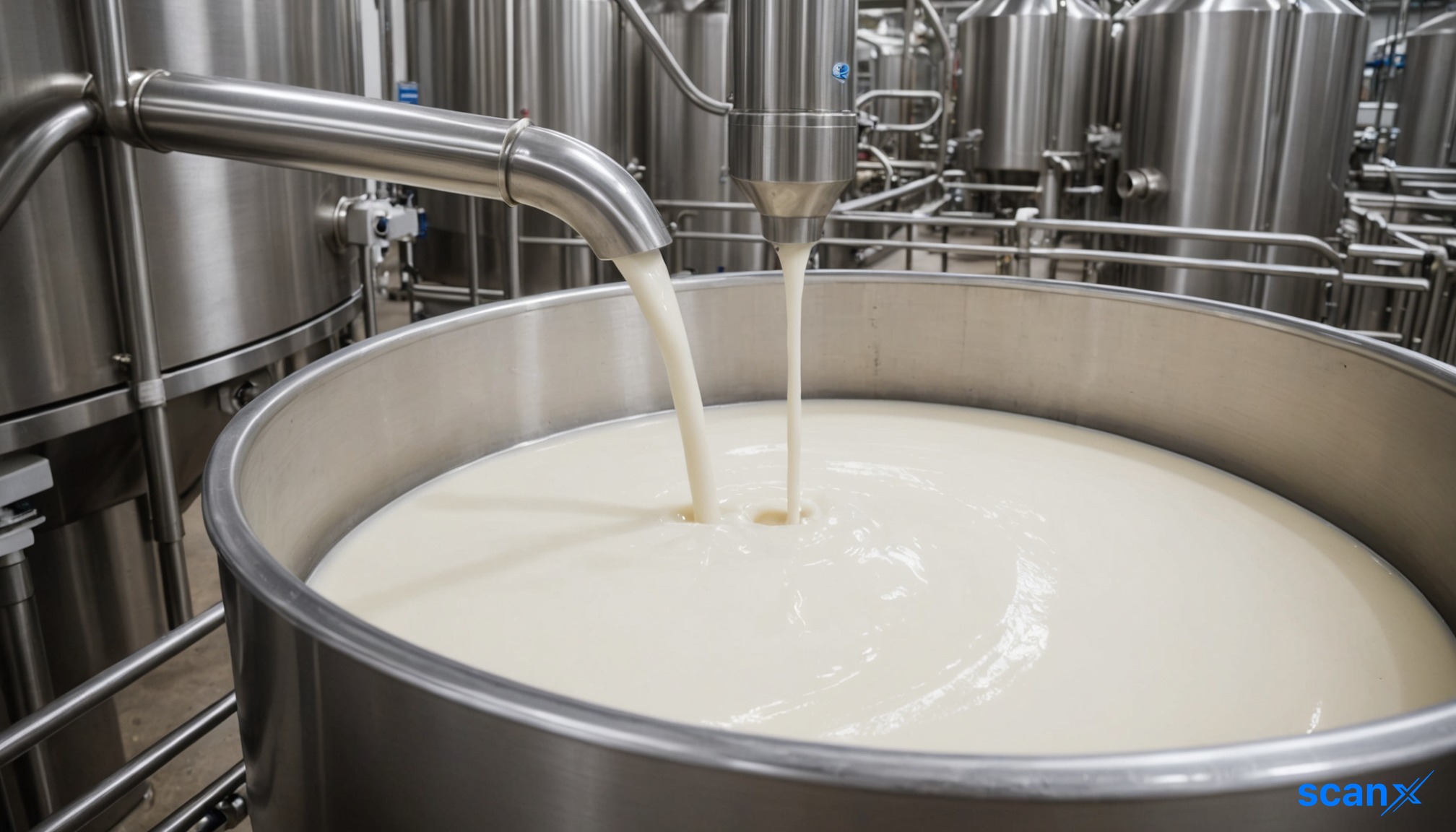
*this image is generated using AI for illustrative purposes only.
Vodafone Idea has filed its Business Responsibility and Sustainability Report (BRSR) for the financial year 2025–26 (FY26), disclosing significant advancements in environmental sustainability, governance structures, and operational efficiency. The report, submitted to the National Stock Exchange of India Limited and BSE Limited on August 4, 2026, underscores the company’s integration of Environmental, Social, and Governance (ESG) principles into its core business strategy. Key developments include the deployment of an AI-powered Self-Organizing Network (AI-SON) platform, which achieved a 10% reduction in site energy consumption, and the sourcing of approximately 51 million kWh of renewable energy during the year.
The filing was made pursuant to Regulation 34(2)(f) of the Securities and Exchange Board of India (Listing Obligations and Disclosure Requirements) Regulations, 2015. The report includes an Independent Reasonable Assurance Statement for the BRSR core, verified by Emergent Ventures India Private Limited (EVI). At the Board meeting held on March 30, 2026, the Board renamed the Corporate Social Responsibility Committee to the Corporate Social Responsibility and Sustainability Committee, broadening its charter to include oversight of ESG-related matters. Ms. Neena Gupta serves as Chairperson of this committee, with Mr. Sunirmal Talukdar, Mr. Rajat Kumar Jain, and Mr. Ravinder Takkar as members.
Financial and Operational Overview
Vodafone Idea reported a turnover of ₹44,385 crore for FY26, with a net worth of (₹56,076) crore. The company’s paid-up capital stands at ₹10,83,43,03,50,010. Wired, wireless, and satellite telecommunication activities accounted for 97.51% of the total turnover. Exports contributed 8% of the total turnover. The company operates 20 offices nationally across 28 states and 8 union territories, serving all sections of consumers including urban metro dwellers and rural consumers.
| Metric | FY26 Value |
|---|---|
| Turnover | ₹44,385 crore |
| Net Worth | (₹56,076) crore |
| Paid-up Capital | ₹10,83,43,03,50,010 |
| Renewable Energy Sourced | ~51 Mn kWh |
| Total Employees | 17,612 |
Environmental Initiatives and Energy Efficiency
A central theme of the FY26 report is the reduction of carbon footprint through technology-led interventions. The deployment of the AI-SON platform intelligently optimizes network energy usage without impacting customer experience. On an annualized basis, this initiative is expected to reduce nearly 5 lakh metric tons of CO2 emissions, equivalent to planting approximately 13 million trees. Additionally, over 2,000 tower co-owned sites are now powered by solar energy solutions.
Total energy consumption decreased to 1,819,108 GJ in FY26 from 1,947,515 GJ in FY25. Energy consumption from renewable sources rose to 185,127 GJ from 169,092 GJ in the prior year. Water withdrawal totaled 174,029.6 kiloliters (KL), while water consumption was 26,877 KL. Total waste generated increased to 5,635.37 metric tonnes from 4,287.50 metric tonnes in FY25, driven primarily by a rise in e-waste due to the 5G rollout and replacement of legacy network equipment.
Workforce Safety and Human Rights
Vodafone Idea employs 17,612 individuals, comprising 9,500 permanent and 8,112 other-than-permanent employees. Women constitute 23.14% of the total workforce. The company delivered 38,707 Health, Safety, and Wellbeing (HSW) training man-hours during FY26. The Lost Time Injury Frequency Rate (LTIFR) improved significantly to 0.050 per one million-person hours worked, down from 0.120 in FY25. There were no fatalities reported.
The company maintains a zero-tolerance policy towards bribery and corruption, with its Code of Conduct applying to all employees and directors. No disciplinary actions were taken against directors, key managerial personnel, or employees for charges of bribery or corruption in FY26. Seven complaints regarding sexual harassment were received, with three upheld; all were handled under the Sexual Harassment of Women at Workplace (Prevention, Prohibition and Redressal) Act, 2013.
What the Numbers Show
The divergence between rising total waste generation and declining energy consumption highlights the transitional phase of Vodafone Idea’s infrastructure upgrade. While the 5G rollout necessitates the disposal of legacy equipment—leading to a 31% increase in total waste—the concurrent adoption of AI-driven energy optimization and renewable sources has reduced overall energy intensity. This suggests that short-term material recovery challenges are being offset by long-term operational efficiency gains, aligning with the company’s stated goal of reducing its carbon footprint despite network expansion.
Historical Stock Returns for Vodafone Idea
| 1 Day | 5 Days | 1 Month | 6 Months | 1 Year | 5 Years |
|---|---|---|---|---|---|
| +3.22% | -2.38% | -12.45% | +53.26% | +49.09% | +13.85% |

How will Vodafone Idea's significant negative net worth of ₹56,076 crore impact its ability to secure further capital for 5G expansion despite improved operational efficiency?
What specific strategies is Vodafone Idea implementing to manage the 31% increase in e-waste generated by the 5G rollout and legacy equipment replacement?
Will the AI-SON platform's energy savings be sufficient to offset the increased power demands of scaling up 5G infrastructure in subsequent fiscal years?
 17
17





 Access Market Heat-map & Insights
  Create, Save & Share your Screener
  Use 200+ Screening Filters





