

Vivakor highlights strategic US midstream network amid oil volatility


Vivakor, Inc. highlighted the strategic positioning of its integrated midstream operating assets across major U.S. producing basins amid elevated crude oil price volatility. The company's network includes pipeline-connected injection stations, terminaling infrastructure, and storage operations in New Mexico, Oklahoma, and Texas. Chairman and CEO James Ballengee noted that the operating footprint positions the company to support increasing regional crude oil movement.


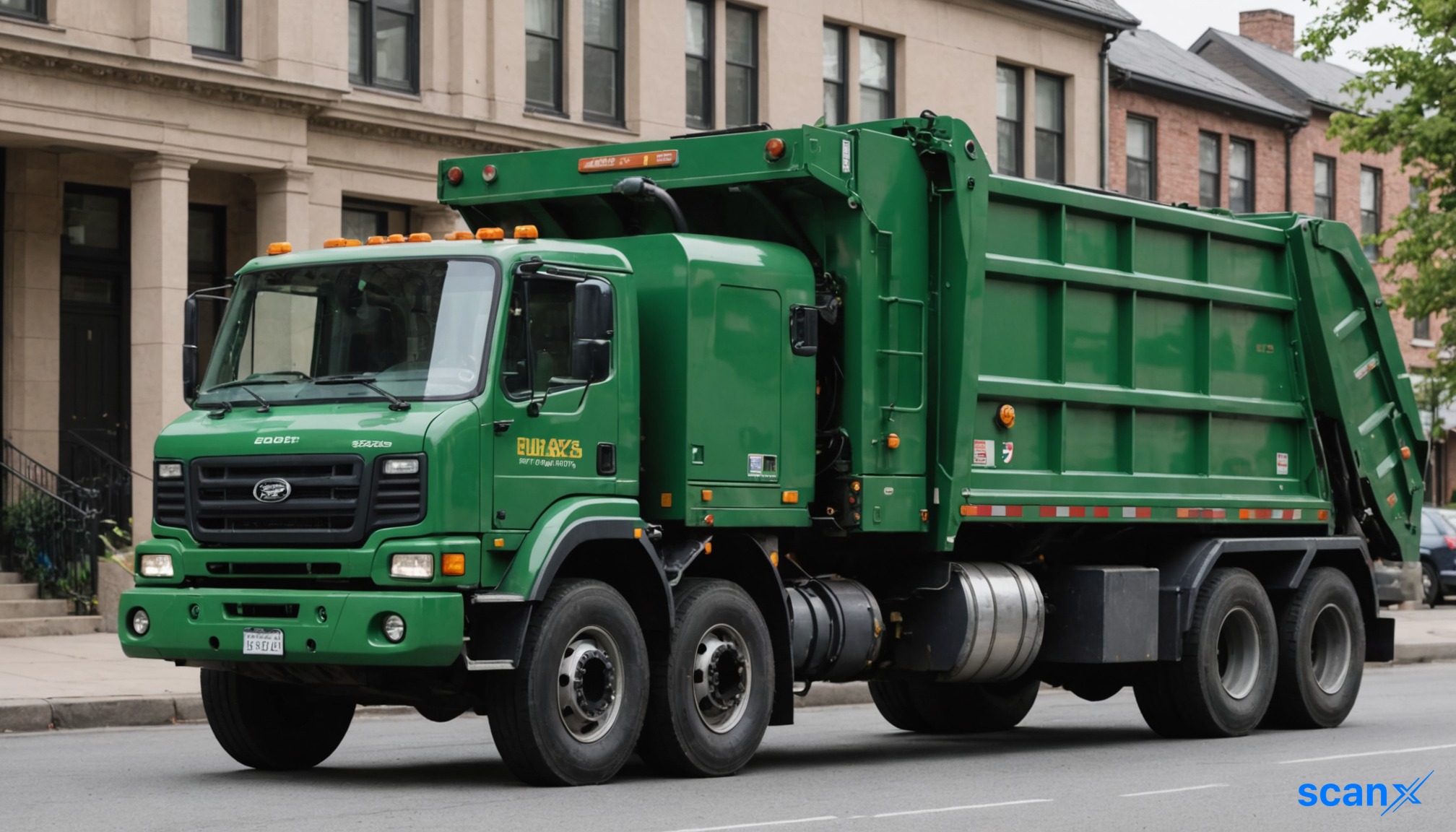
*this image is generated using AI for illustrative purposes only.
Vivakor, Inc. (NASDAQ: VIVK) emphasized the strategic value of its integrated midstream operating assets across major U.S. producing basins amid elevated crude oil price volatility and increasing demand for domestic energy logistics infrastructure. The company operates oil terminals, trucking fleets, pipeline injection stations, and crude oil pipeline infrastructure across the Permian, Delaware, Haynesville, and Eagle Ford basins. Vivakor's network in New Mexico, Oklahoma, and Texas includes pipeline-connected injection stations, terminaling infrastructure, transportation assets, and storage operations designed to support regional crude oil movement and market connectivity.
Vivakor Chairman and Chief Executive Officer James Ballengee commented on the strategic advantage provided by the company's assets. "Periods of elevated crude oil volatility typically increase the importance of strategically located transportation, storage, and pipeline-connected infrastructure across domestic oil producing regions," said Ballengee. "We believe Vivakor's operating footprint across highly active oil basins positions the Company to support increasing regional crude oil movement through strategically connected logistics, storage and terminaling infrastructure."
The company's pipeline-connected infrastructure network comprises 10 pipeline injection stations in Texas and New Mexico, supported by a fleet of more than 100 tanker trucks. These stations connect to several major pipelines in Texas, including the Centurion Pipeline (Lotus), Plains Basin Pipeline, Cactus II, Permian Express, and The West Texas System (Enterprise). The network also features the Crude Oil Terminal (White Claw Colorado City), which has a storage capacity of 120,000 bbl and connects to the Enterprise Pipeline and Scurry Gathering System, with optionality to tie into the Midland Basin System.
Infrastructure Assets
| Asset / Location | Details | Connectivity / Capacity |
|---|---|---|
| Pipeline Injection Stations | Texas and New Mexico | 10 stations, >100 tanker truck fleet |
| Connecting Pipelines | Texas | Centurion Pipeline (Lotus), Plains Basin Pipeline, Cactus II, Permian Express, The West Texas System (Enterprise) |
| Crude Oil Terminal (White Claw Colorado City) | Colorado City | 120,000 bbl storage; connects to Enterprise Pipeline, Scurry Gathering System; optionality for Midland Basin System |
| Omega Terminal | Oklahoma | 100,000 bbl storage; connects to Cushing, Oklahoma via Omega Pipeline and Plains Pipeline network |
Crude oil markets have experienced significant volatility during 2026, with Brent crude prices rising sharply due to geopolitical tensions and supply concerns in the Middle East. Analysis from the Federal Reserve Bank of Dallas indicates that U.S. drilling activity tends to accelerate when oil prices rise above the $70 to $80 per barrel range. At current price levels, the economics for regional crude production in the Southwestern U.S. are substantially improved, driving demand for existing transportation, storage, terminaling, and pipeline-connected infrastructure throughout the region.

How will Vivakor leverage its current infrastructure to capitalize on the projected increase in U.S. drilling activity if prices remain above the $80 per barrel threshold?
What are the company's expansion plans for the Omega Terminal given its strategic connectivity to the Cushing, Oklahoma hub?
How might the optionality to tie the White Claw Colorado City terminal into the Midland Basin System impact throughput capacity and revenue in the coming year?
 17
17





 Create Custom Screeners
  Access 200+ Pre-built Filters
  Use 50+ Readymade Screener





