Vesuvius India Limited has filed an outcome intimation with the stock exchanges under Regulation 30 of the SEBI (Listing Obligations and Disclosure Requirements) Regulations, 2015, sharing the transcript of its Institutional Investors and Analyst Meet held on Thursday, May 7, 2026, in Kolkata. The intimation was signed by Saheb Ali, Company Secretary & Compliance Officer (Membership No.: A33361), and submitted to both BSE Limited and the National Stock Exchange of India Limited. The company confirmed that no presentation was made and no Unpublished Price Sensitive Information (UPSI) was discussed or shared during the interaction.
Event Details
The meet was conducted as a physical group interaction with institutional investors and analysts. The key details of the event are as follows:
| Parameter: |
Details |
| Date: |
Thursday, May 7, 2026 |
| Time: |
5:00 P.M. to 6:30 P.M. |
| Type of Meeting: |
Group Meet |
| Mode: |
Physical |
| Venue: |
Kolkata |
The board members and management present at the meet included:
| Name: |
Designation |
| Mr. Biswadip Gupta |
Chairman and Non-Executive Director |
| Mr. Mohinder Rajput |
Managing Director |
| Mr. Patrick Andre |
Non-Executive Director and CEO of Vesuvius plc. |
| Mr. Pascal Genest |
Non-Executive Director and President (Flow Control), Vesuvius plc. |
| Mr. Henry Knowles |
Non-Executive Director and General Counsel & Company Secretary, Vesuvius plc. |
| Mr. Mark Collis |
Group Chief Financial Officer, Vesuvius plc. |
| Mr. Neeraj Jumarni |
Chief Financial Officer of the Company |
| Mr. Kartikaye Krishna |
Legal Director of the Company |
Innovation and New Product Development
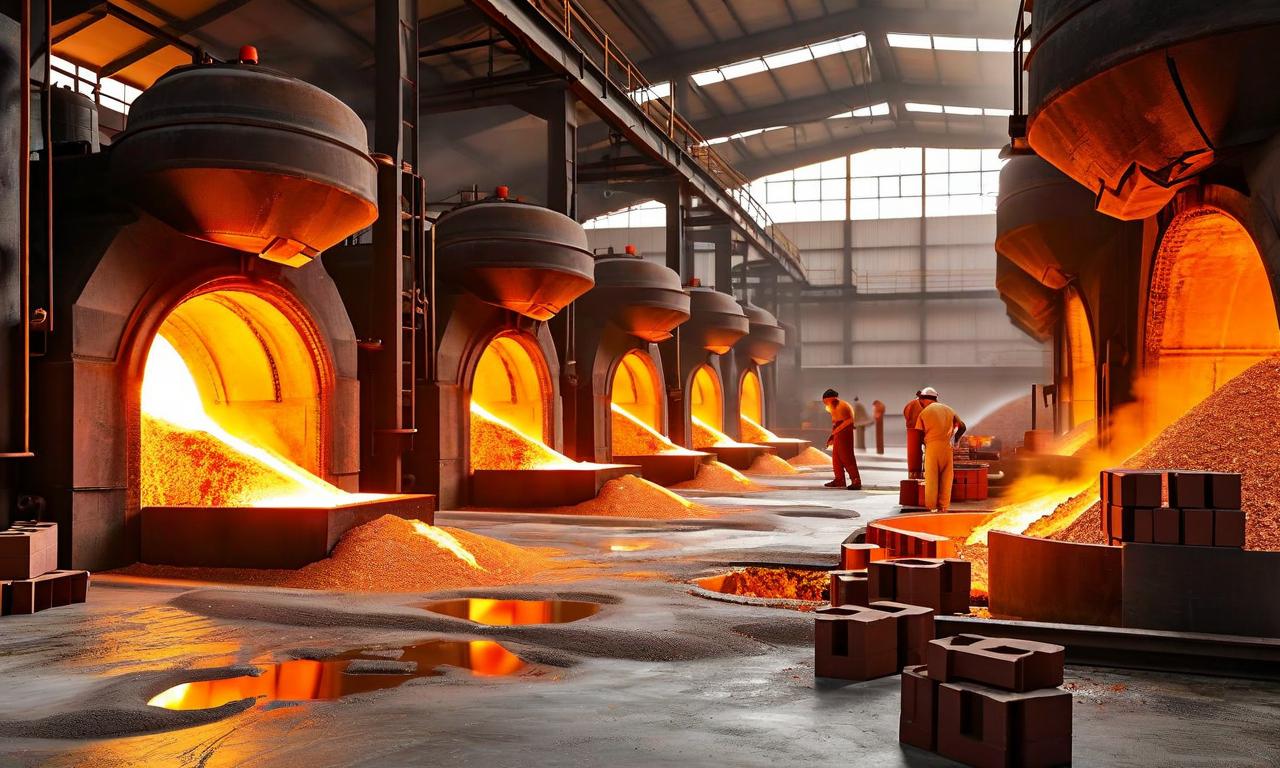
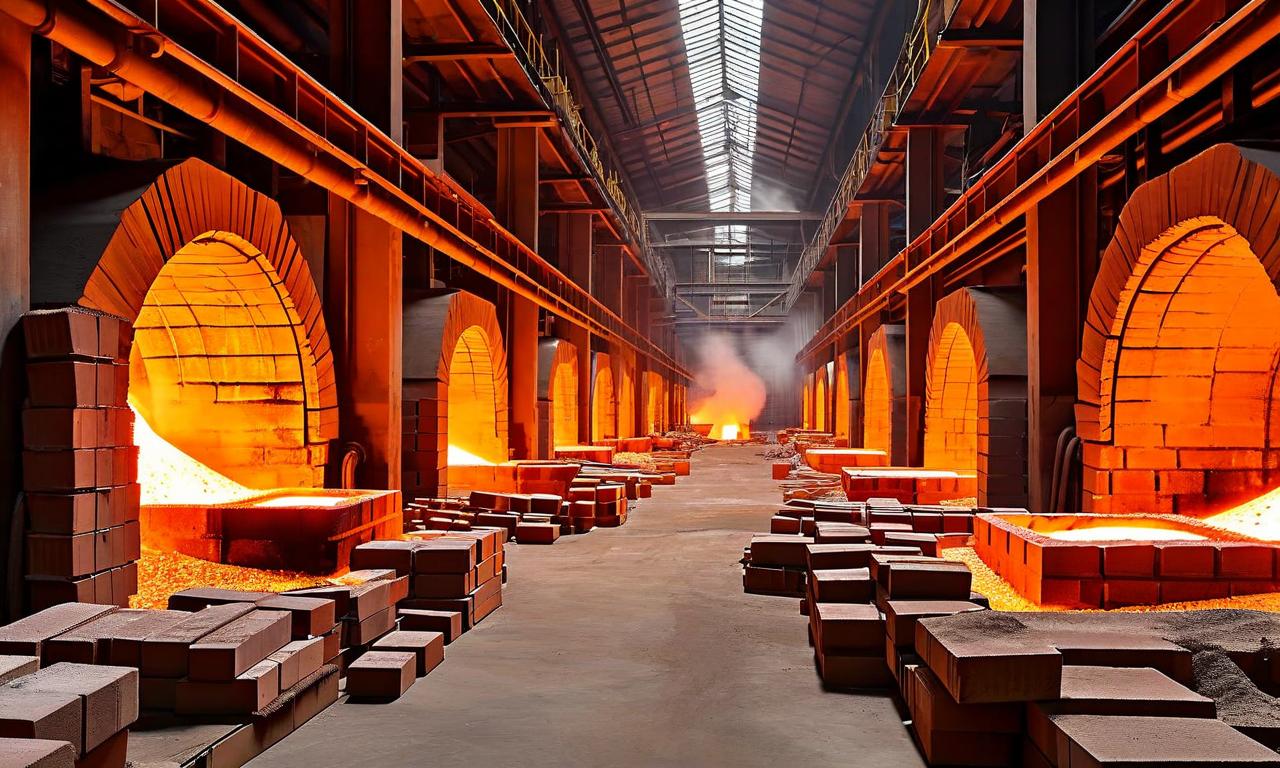
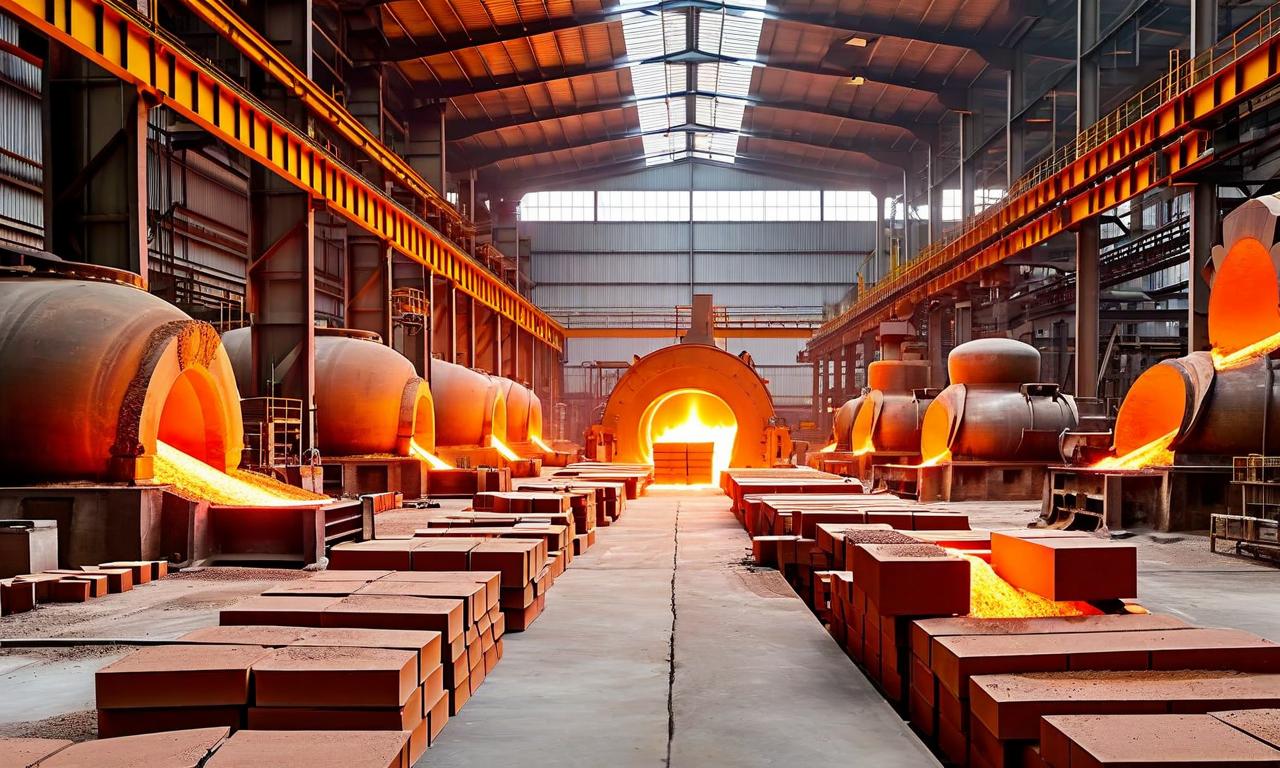
During the meet, Managing Director Mohinder Rajput highlighted that innovation is a key performance indicator (KPI) for the company, with a significant percentage of revenue derived from new products developed in the last five years. He noted that Vesuvius plc. invests approximately 35–36 million pounds annually in R&D, and Vesuvius India leverages this global technology pipeline. Examples cited included new monolithic recipes for blast furnace troughs aimed at reducing erosion and extending campaign life, as well as advancements in isostatically pressed (black) refractory products on both cost and performance dimensions. The company also highlighted its robotic technology deployed at Tata Steel's Kalinga Nagar facility as a publicly available example of innovation in action.
Pascal Genest, President of Flow Control at Vesuvius plc., elaborated that new product sales typically represent 20% to 25% of total sales globally, covering products developed in the last five years. He described innovations such as composite slide gate plates with high-quality refractory layers that extend product life while reducing cost, as well as new recipes for ladle shrouds (DuraFlex) and sub-entry nozzles (DuraSleeve) incorporating zirconia-based mixes to extend operational life.
Market Share and Competitive Positioning
On competition, Chairman Biswadip Gupta stated that Vesuvius India commands approximately 55% market share in flow control refractories despite the entry of multiple international and domestic players over the years. Patrick Andre, CEO of Vesuvius plc., reinforced that the company's strategy is not to compete on price but on technology, maintaining what he described as a "very solid, if not increasing, technological edge" over competitors, backed by R&D investment that is approximately twice that of the nearest competitor. He noted that competitors occasionally attempt aggressive pricing to gain market share, but Vesuvius consistently avoids participating in such pricing actions, focusing instead on long-term customer relationships and reliability.
On the broader refractory market, the company noted that while Vesuvius India accounts for approximately 13%–15% of the total Indian refractory market, it holds close to 50%–55% share in the specific segments where it chooses to compete. Patrick Andre stated there is no theoretical ceiling to market share gains in segments where Vesuvius competes, citing an example from another global region where market share grew from 50%–55% to 87% over approximately 10 years.
Capacity Expansion and Capital Expenditure
The management discussed significant capacity investments made over recent years and outlined plans for further expansion. Key details are summarised below:
| Parameter: |
Details |
| Capex invested (last ~3 years): |
Approximately ₹650–700 Crores |
| Earlier capex guidance (Vesuvius Group for India): |
₹1,000 Crores |
| Vizag plant land area: |
42 acres (32 + 10), less than one-third currently utilised |
| Kolkata plant land area: |
Approximately 16 acres |
| AlSi monolithic capacity commissioned: |
120,000 tonnes (commissioned November 2024) |
| Plastic refractory plant: |
Now operational at Vizag |
Patrick Andre indicated that the capex guidance of ₹1,000 Crores would likely be exceeded, with India described as a "never-ending story" for investment. He confirmed that a significant brownfield expansion of isostatic (VISO) capacity at the Kolkata plant is already approved and engineered, with the timing dependent on demand signals. Once initiated, the expansion is expected to take 12 to 18 months to come on stream. The Vizag complex, described as an "aircraft carrier," now houses basic monolithic, alumina silicate monolithic, mould flux, plastic refractory, and well-filler plants, with taphole clay capacity being doubled.
Growth Outlook and Segment Strategy
Mohinder Rajput noted that Vesuvius India's topline CAGR over the last 4 to 5 years has been 22%, compared to the steel industry's growth of approximately 8%–9%, reflecting consistent market share gains. Patrick Andre cautioned that on a year-to-year basis, outperformance is not uniform, and the appropriate way to assess performance is over a 5 to 6 year sliding window. He stated that the company's reasonable long-term assumption is to outgrow the steel market by 1% to 3% on average over a cycle.
On new growth segments, Rajput highlighted that Vesuvius India has moved from zero to double-digit market share in basic oxygen furnace and electric arc furnace brick lining within approximately one year. The mould flux plant in Vizag, which shifted supply from imports to domestic production, is now fully booked. The company has also created a dedicated sales team for the aluminium segment, which it views as a major growth area, though management acknowledged it is still in the early stages of that journey. On the question of electric arc furnace versus blast furnace growth, Patrick Andre noted that in India, unlike Europe, the dominant growth over the next 5 to 10 years is expected to come from ultra-mega blast furnaces rather than electric arc furnaces, given the limited scrap availability in the country.
Transcript and Regulatory Compliance
In compliance with Regulation 46 of the SEBI LODR, the transcript of the meet has been made available on the company's official website at www.vesuviusindia.in . The transcript can be accessed through the path: Investors → Shareholder Information → Information Related to Analysts or Institutional Investors Meet. The company has requested BSE Limited and the National Stock Exchange of India Limited to take the information on record and disseminate it on their respective websites.


 15
15










 Create Custom Screeners
  Access 200+ Pre-built Filters
  Use 50+ Readymade Screener





