

Veedol Corporation FY26 Results: Consolidated PAT rises to ₹191.62 crore


- Consolidated revenue rose to ₹2,168.54 crore with PAT at ₹191.62 crore for FY26
- Standalone revenue grew 1.3% to ₹1,546.96 crore; EPS improved to ₹79.53
- Middle East operations turned profitable for the first time
- Distribution outlets rationalized to 468 while touchpoints remain at 50,000
- Capacity utilization stands at 70%, with no immediate capex plans

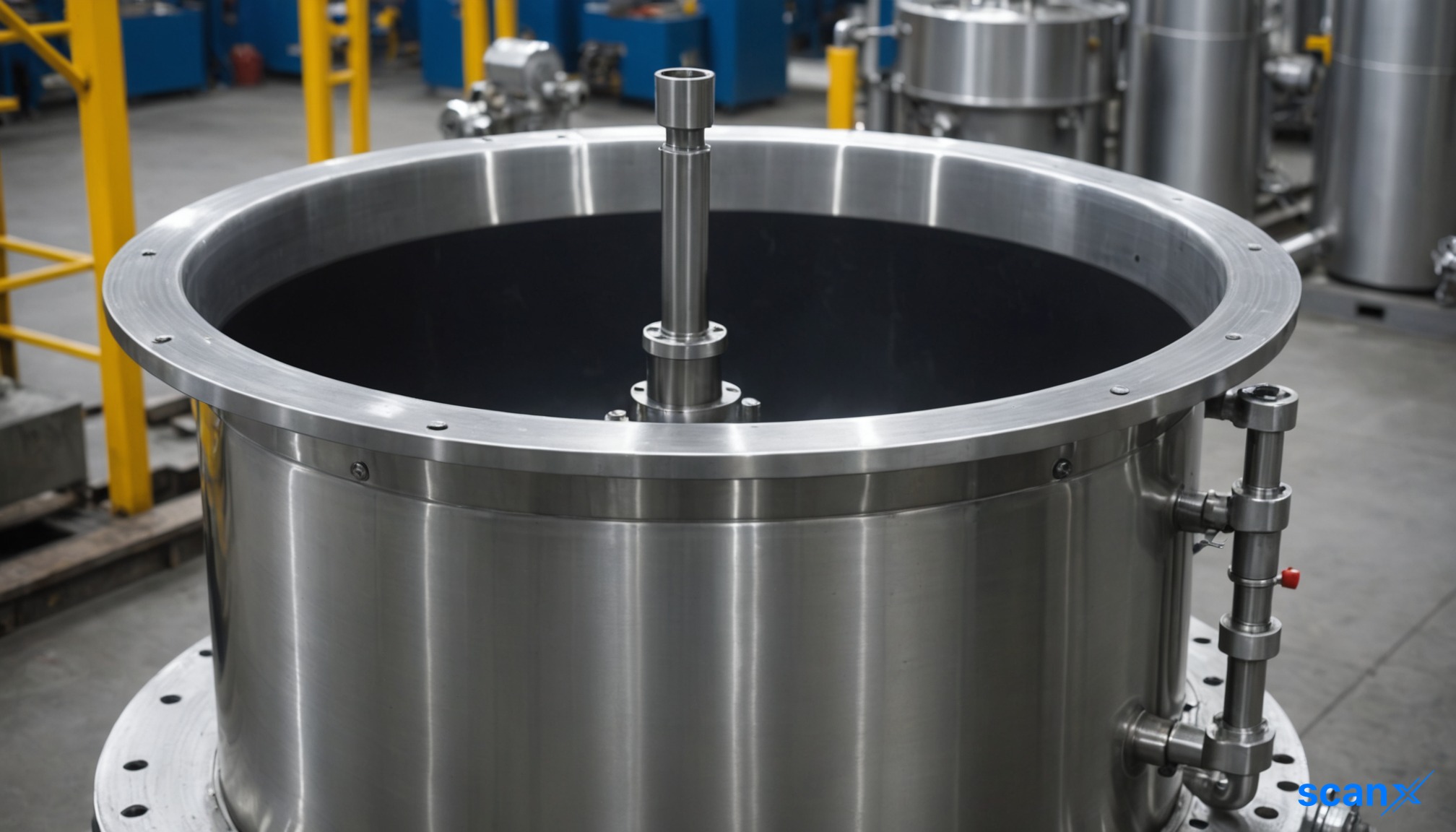

*this image is generated using AI for illustrative purposes only.
Veedol Corporation reported consolidated revenue of ₹2,168.54 crore and profit after tax (PAT) of ₹191.62 crore for FY26. Standalone revenue grew 1.3% to ₹1,546.96 crore, with standalone PAT rising to ₹135.16 crore from ₹127.78 crore in the prior year.
The company’s Middle East operations turned profitable and began contributing dividends for the first time. UK businesses, Veedol UK and Granville, continued to strengthen international cash flows. Earnings per share improved to ₹79.53 from ₹73.48.
Financial Performance
Chairman D. S. Chandavarkar highlighted disciplined performance amid global volatility. The global lubricants market was valued at USD 178.98 billion in 2025, with India’s market at USD 4.92 billion.
| Metric | Standalone FY26 | Standalone FY25 | Consolidated FY26 |
|---|---|---|---|
| Revenue | ₹1,546.96 crore | ₹1,527.28 crore | ₹2,168.54 crore |
| Profit Before Tax | ₹142.49 crore | Not disclosed | ₹238.43 crore |
| Profit After Tax | ₹135.16 crore | Not disclosed | ₹191.62 crore |
| EPS | ₹79.53 | ₹73.48 | Not disclosed |
Strategic Initiatives
The company prioritized margin protection over volume growth. Key developments included:
- Launch of Next Generation Fully Synthetic range using proprietary Engine Power Retention technology and EstoBioLides™ chemistry.
- Inauguration of a new Technology Centre in Turbhe for R&D on premium synthetic lubricants and EV applications.
- Stabilization of Project SAPna and migration to SAP S/4 HANA for better visibility across sales and inventory.
- Reduction of Scope 1 and 2 emissions by close to 9.5%, with renewable energy reaching 30% of electricity consumption.
What the Numbers Show
The divergence between standalone revenue growth (1.3%) and consolidated revenue (₹2,168.54 crore) underscores the increasing contribution from international subsidiaries. While the chairman noted a strategic choice to prioritize margin protection over volume, the simultaneous rise in both top-line and bottom-line figures suggests operational efficiency gains rather than pure price-driven growth. The profitability of Middle East operations marks a structural shift in the company’s geographic profit mix.
Shareholder Queries
During the AGM, shareholders questioned the decline in market share from 60% to 40% in FY25 and the rationalization of distribution outlets from 700 to 468. Managing Director R. N. Ghosal stated that automotive business has consistently accounted for 80% of revenue for decades, countering claims of a recent shift. He noted that premiumization efforts initially compromised margins to gain market share, but corrections have since been made.
Regarding capacity, Ghosal stated utilization is around 70% of real available capacity, indicating no immediate need for capital expenditure. The company plans to navigate geopolitical oil crises prudently, leveraging strong cash balances to handle working capital requirements amid doubled raw material prices since February 2026.
Historical Stock Returns for Veedol Corporation
| 1 Day | 5 Days | 1 Month | 6 Months | 1 Year | 5 Years |
|---|---|---|---|---|---|
| +0.06% | +0.32% | -1.47% | -3.72% | -24.79% | 0.0% |

How will the new Technology Centre in Turbhe accelerate Veedol's product development timeline for EV-specific lubricants compared to traditional synthetic oils?
What specific strategies is Veedol employing to reverse the market share decline from 60% to 40% without compromising the margin protection focus?
Could the profitability of Middle East operations serve as a blueprint for expanding into other emerging international markets, and what are the associated risks?
 18
18






 Create Custom Screeners
  Access 200+ Pre-built Filters
  Use 50+ Readymade Screener





