

Vardhman Textiles Q4 FY26 Concall: Spreads Rise, China Yarn Demand Surges


Vardhman Textiles released its Q4 FY26 earnings conference call transcript, with MD Neeraj Jain detailing a sharp recovery in spinning spreads from ~$0.60–$0.65 to ~$0.90–$0.95, driven by a surge in Chinese yarn imports to approximately 30 million kg per month, structural closure of 11–11.5 million spindles in India, and alignment of Indian cotton prices with international markets. The company completed approximately 90% of its spinning modernisation capex, with green power projects and new fabric capacity ramp-ups underway, and is evaluating fresh spinning expansion linked to anticipated FTA-driven demand.


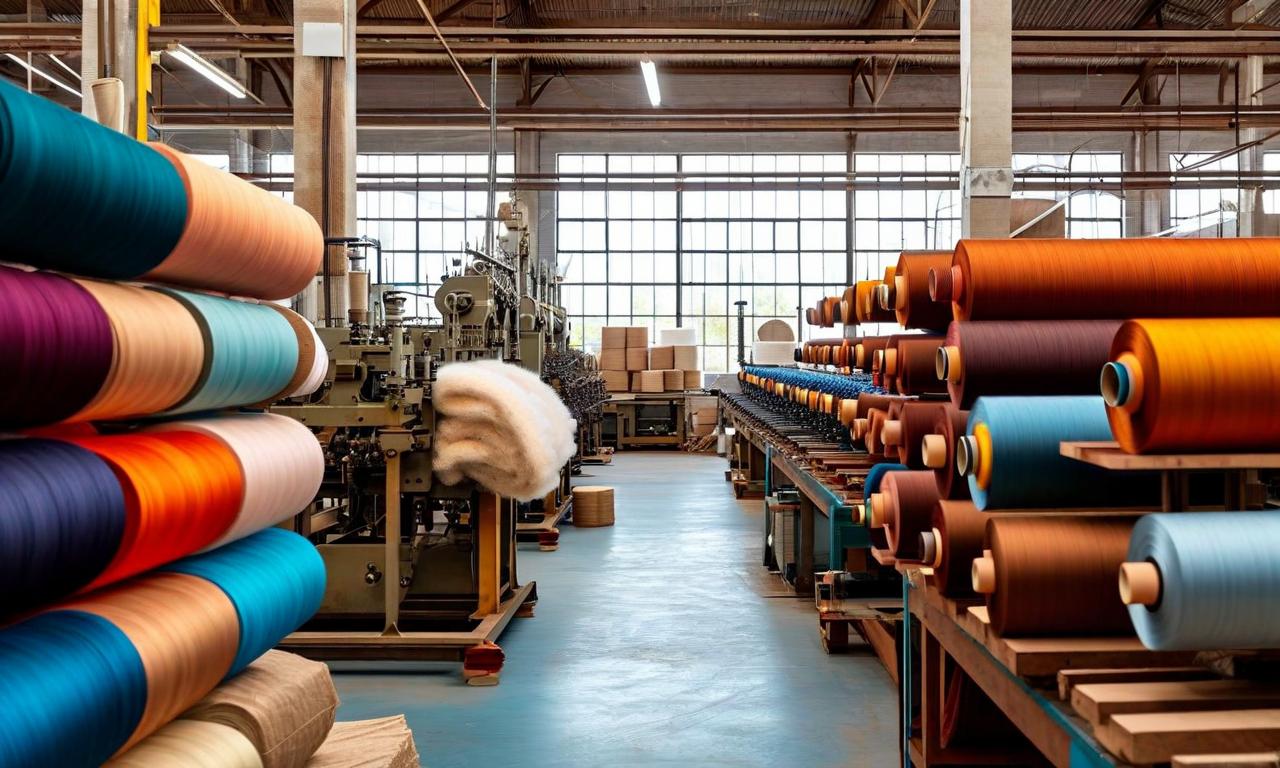
*this image is generated using AI for illustrative purposes only.
Vardhman Textiles has filed the transcript of its Q4 FY26 earnings conference call with BSE Limited and the National Stock Exchange of India, in compliance with Regulation 30 of the SEBI (Listing Obligations and Disclosure Requirements) Regulations, 2015. The call was held on May 8, 2026, at 4:00 p.m. and was hosted by 360 ONE Capital, with the transcript submission signed by Company Secretary Sanjay Gupta on May 12, 2026.
Conference Call Details
The key parameters of the earnings conference call disclosure are summarised below:
| Parameter: | Details |
|---|---|
| Company: | Vardhman Textiles Limited |
| Event: | Q4 FY26 Earnings Conference Call |
| Date of Call: | May 8, 2026 |
| Time of Call: | 4:00 p.m. |
| Hosted By: | 360 ONE Capital |
| Regulatory Basis: | Regulation 30, SEBI (LODR) Regulations, 2015 |
| Submitted To: | BSE Limited & National Stock Exchange of India Ltd |
| Signed By: | Sanjay Gupta, Company Secretary |
| Date of Submission: | May 12, 2026 |
Macro Environment and Industry Dynamics
Managing Director Mr. Neeraj Jain opened the call by outlining the key macro developments that shaped the period. He noted that the removal of U.S. tariffs restored India's competitiveness, enabling garment exporters—who had been operating at 50%–60% capacity utilisation and absorbing heavy discounts—to recover toward 90%–100% utilisation. Simultaneously, cotton prices moved significantly, with New York futures rising from $0.61–$0.63 to as high as $0.82–$0.83, and Indian cotton prices moving from INR52,000–INR53,000 per candy to INR67,000–INR68,000 per candy. Mr. Jain attributed this rally to a convergence of factors: reduced global closing stocks of cotton, lower crop estimates in India (projected at 29 million bales versus 31–31.5 million bales the prior year), a smaller Australian crop (41 million bales versus an expected 55 million bales), drought conditions in U.S. Texas cotton-growing regions, and rising synthetic fibre prices driven by crude oil increases linked to Iran-U.S. geopolitical tensions. Acrylic fibre prices rose by approximately INR80–INR85 per kg, while polyester fibre prices increased by INR25–INR30 per kg during the period.
Spinning Spreads and Yarn Demand
Mr. Jain highlighted a significant improvement in spinning spreads, driven by both demand recovery and raw material price alignment. He noted that approximately 11–11.5 million spindles have permanently exited the Indian spinning industry, reducing effective working capacity from a potential 59–60 million spindles to an estimated 41–42 million spindles. This structural capacity reduction, combined with a surge in Chinese yarn imports from India, materially tightened the supply-demand balance. China's monthly yarn purchases from India rose from an average of 7–8 million kg to approximately 30 million kg, pushing India's total monthly yarn exports from approximately 100 million kg to over 120 million kg.
The impact on yarn prices was substantial, as illustrated below:
| Metric: | Earlier Level | Current Level |
|---|---|---|
| 30s Combed Yarn Price: | $2.65–$2.70 | $3.30–$3.35 |
| Spinning Spread (USD cents): | ~$0.60–$0.65 | ~$0.90–$0.95 |
| Industry Average FY26 Spread: | ~$0.65 | — |
| Indian Cotton Price (per candy): | INR52,000–INR53,000 | INR67,000–INR68,000 |
| New York Cotton Futures: | $0.61–$0.63 | $0.82–$0.83 |
Mr. Jain noted that most Indian spinners are currently sold forward for approximately two to three months in the export market. He also mentioned that a mark-to-market foreign exchange loss of approximately INR57–INR58 crores was provided in Q4 on account of the sharp rupee movement to INR94.80 on March 31, which impacted the quarter's margins but is expected to reverse in subsequent quarters.
Fabric, Garments, and Upstream Segments
On the fabric segment, Mr. Jain acknowledged that price increases lag raw material cost movements by approximately two to three months, but noted that selective increases are being pushed through with customers. He indicated that demand for fabric is not weak, and that most fabric producers—both knitting and woven—are working to pass on higher input costs. The company's direct export share has remained stable at approximately 44%–45% of revenue.
On garments, Mr. Jain stated that the company's existing garment business is performing well, and the immediate focus is on expanding capacity to achieve viability at scale. The average realization per garment is approximately $7.50. No decision has been made on a large-scale garment expansion; the current step is to evaluate whether the expanded capacity can be made profitable before committing further.
Operational and Capex Updates
Vardhman has completed approximately 90% of its spinning-side modernisation capex, enhancing flexibility, quality, and cost efficiency. Key operational milestones and near-term plans are summarised below:
| Initiative: | Status / Timeline |
|---|---|
| Spinning Modernisation Capex: | ~90% complete |
| Performance Fabrics Plant: | Commissioned in prior financial year; full utilisation expected in 6–9 months |
| Fourth Fabric Line (Cotton/Normal): | Commissioned during the year; ramp-up ongoing |
| Green Power Projects (Biomass Boilers): | Commissioning expected in next 1–2 months; cost benefits from June–July onwards |
| Open-End Spinning Project: | Restarted after being on hold |
| PM MITRA Park Land (Madhya Pradesh): | Land allocation expected by December–January; planning underway |
Mr. Jain noted that on the fabric side, the company currently has surplus capacity and aims to improve utilisation over the next six months before finalising further expansion plans. He also indicated that the company is evaluating new spinning capacity additions, with plans expected to be finalised within the next two to three months, aligned with anticipated demand from Free Trade Agreements with the U.S., UK, and EU.
Industry Structure and Outlook
Mr. Jain provided a detailed structural view of global spinning capacity. He noted that China has reduced its spinning capacity from a peak of 112 million spindles to 84 million spindles and is unlikely to expand significantly, particularly given the government's stated intent to reduce cotton cultivation in the Xinjiang region. Pakistan faces structural constraints around power availability and political stability. Vietnam's small population and rising per capita income are redirecting labour toward electronics and services. Bangladesh, while dominant in garmenting with approximately $54–$55 billion in exports, has spinning utilisation of only 55%–60% and faces cotton import dependency that limits large-scale spinning expansion.
Mr. Jain expressed optimism that India, as the world's second-largest spinning nation even at 41–42 million operational spindles, is well-positioned to capture incremental demand from FTAs. He reiterated the industry's longstanding request for duty-free cotton imports to ensure raw material availability at internationally competitive prices, noting that the Ministry of Textiles has already written to the Finance and Agriculture Ministries on this matter. He also credited the Cotton Corporation of India (CCI) for aligning its selling prices to long-term international benchmarks over the past six to nine months, which helped restore spinning economics. Closing the call, Mr. Jain expressed optimism that the next year should be better for most textile companies, including Vardhman, supported by structural capacity rationalisation, improving spreads, and the potential demand uplift from FTAs.
Historical Stock Returns for Vardhman Textiles
| 1 Day | 5 Days | 1 Month | 6 Months | 1 Year | 5 Years |
|---|---|---|---|---|---|
| -1.00% | -5.74% | -10.71% | +1.06% | +28.19% | +42.86% |

How quickly could Vardhman Textiles scale its garment capacity to compete meaningfully with Bangladesh's $54–55 billion export base, and what return thresholds would trigger a large-scale expansion commitment?
If India secures duty-free cotton import provisions in its FTAs with the U.S., UK, and EU, how significantly could that shift the competitive landscape between Indian and Pakistani spinners over the next three to five years?
Given that Chinese yarn purchases from India have surged nearly fourfold, how vulnerable is Vardhman's export revenue to a potential reversal if China resumes domestic spinning capacity or redirects sourcing to other origins?
 20
20








 Create Custom Screeners
  Access 200+ Pre-built Filters
  Use 50+ Readymade Screener





