
 NewsVardhman Textiles Board Approves Garment Unit Capacity Expansion to 4.50 Million Shirts p.a. with Rs. 125 Crore Investment
Vardhman Textiles Board Approves Garment Unit Capacity Expansion to 4.50 Million Shirts p.a. with Rs. 125 Crore Investment


Vardhman Textiles Limited's Board of Directors approved the expansion of its Punjab-based Garment Unit on May 7, 2026, under Regulation 30 of SEBI (LODR) Regulations, 2015. The expansion will increase shirt production capacity from 2.20 million to approximately 4.50 million shirts per annum, with an estimated investment of Rs. 125 crore financed through internal accruals and/or debt. The project is targeted for completion by the end of Financial Year 2026-27 and is designed to broaden the product portfolio, attract high-value buyers, secure new order volumes, and build long-term relationships with premium international brands.

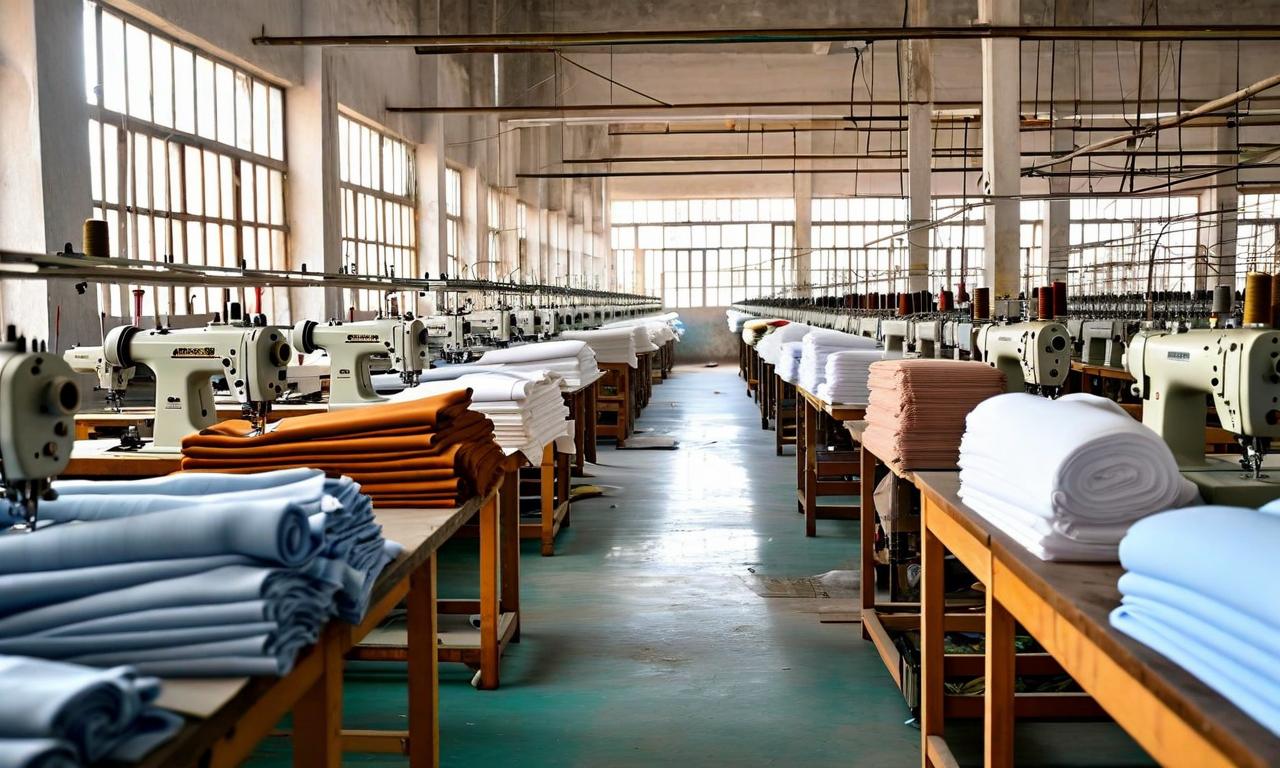

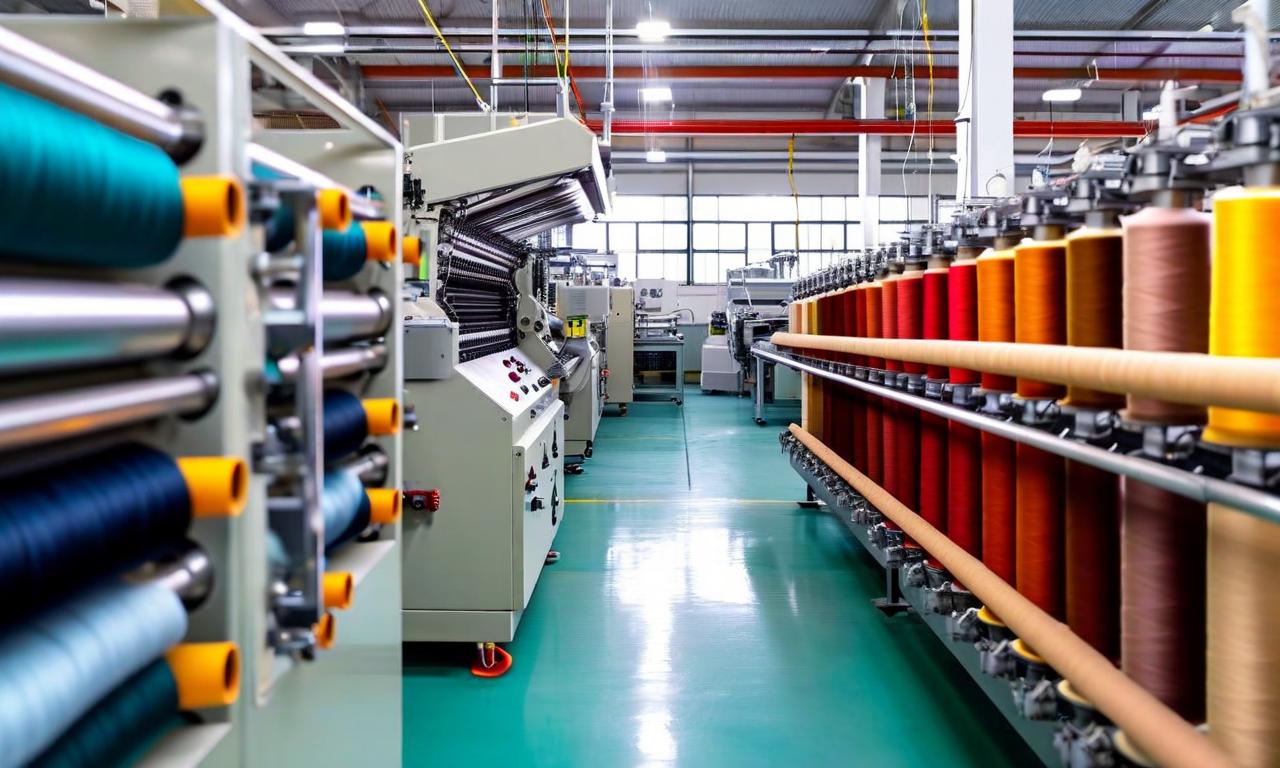
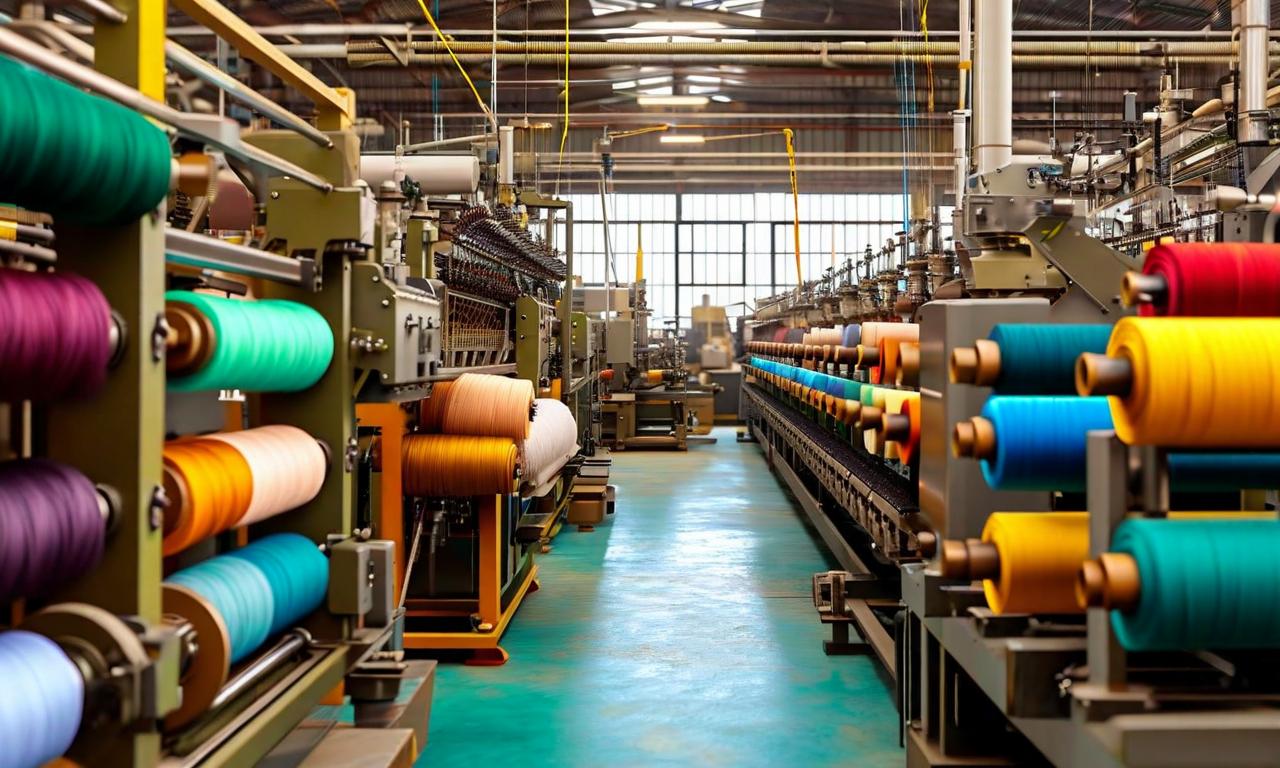
*this image is generated using AI for illustrative purposes only.
Vardhman Textiles Limited has announced a major capacity expansion for its Garment Unit situated in the state of Punjab, following a Board of Directors meeting held on May 7, 2026. The board approved the proposal to nearly double the unit's shirt manufacturing capacity, marking a significant step in the company's garment business growth strategy. The disclosure was made pursuant to Regulation 30 of the SEBI (Listing Obligations and Disclosure Requirements) Regulations, 2015, read with Para B of Part A of Schedule III of the Regulations.
Capacity Expansion Details
The proposed expansion will substantially scale up the Garment Unit's production capabilities. The following table outlines the key parameters of the approved capacity enhancement:
| Parameter: | Details |
|---|---|
| Existing Capacity: | 2.20 million men's shirts p.a. |
| Existing Capacity Utilization: | 95% (approx.) |
| Proposed Capacity Addition: | From 2.20 million shirts p.a. to 4.50 million shirts p.a. (approx.) |
| Target Completion: | By end of Financial Year 2026-27 |
| Investment Required: | Rs. 125 crore (approx.) |
| Mode of Financing: | Internal accruals / debts |
| Unit Location: | State of Punjab |
The current Garment Unit is operating at approximately 95% capacity utilization, underscoring the operational need and strategic rationale behind the expansion decision.
Investment and Financing
The capacity addition will require an investment of approximately Rs. 125 crore, which the company intends to finance through a combination of internal accruals and debt. The targeted timeline for completing the proposed capacity addition is by the end of Financial Year 2026-27.
Strategic Rationale
Vardhman Textiles outlined several strategic objectives underpinning this expansion decision:
- Portfolio broadening: The capacity addition is expected to broaden the company's product portfolio.
- High-value buyer attraction: Enhanced capacity will strengthen the company's ability to attract high-value buyers.
- New order volumes: The expansion is aimed at securing new order volumes.
- Premium brand relationships: The move is intended to help build long-term relationships with premium international brands.
- Cost optimization: The expansion is also expected to optimize cost and capacity utilization.
Board Meeting
The Board of Directors meeting, during which the expansion was approved, commenced at 10:00 a.m. and concluded at 12:45 p.m. on May 7, 2026. The disclosure was filed in accordance with SEBI Master Circular No. HO/49/14/14(7)2025-CFD-POD2/1/3762/2026 dated January 30, 2026. The announcement was signed by Sanjay Gupta, Company Secretary of Vardhman Textiles Limited.
Historical Stock Returns for Vardhman Textiles
| 1 Day | 5 Days | 1 Month | 6 Months | 1 Year | 5 Years |
|---|---|---|---|---|---|
| -1.00% | -5.74% | -10.71% | +1.06% | +28.19% | +42.86% |

Which specific premium international brands is Vardhman Textiles targeting for long-term partnerships following this capacity expansion?
How might the doubling of shirt manufacturing capacity impact Vardhman Textiles' revenue mix between domestic and export markets over the next 2-3 years?
Could this expansion signal a broader strategic shift by Vardhman Textiles from upstream textile manufacturing toward higher-margin garment and apparel segments?
 19
19









 Create Custom Screeners
  Access 200+ Pre-built Filters
  Use 50+ Readymade Screener





