

V-Mart Targets 18-20% ROCE, 50-70% North India Store Growth Over 5 Years


V-Mart Retail has outlined a medium-term ROCE target of 18-20%, with aspirations to exceed 20-22%, alongside a plan to grow its store count in North India by 50-70% over five years. To manage a 3-4% increase in garment costs driven by 10-15% yarn inflation, the company will limit consumer price increases to 1-2% through early orders, alternate sourcing, and better fabric utilisation.



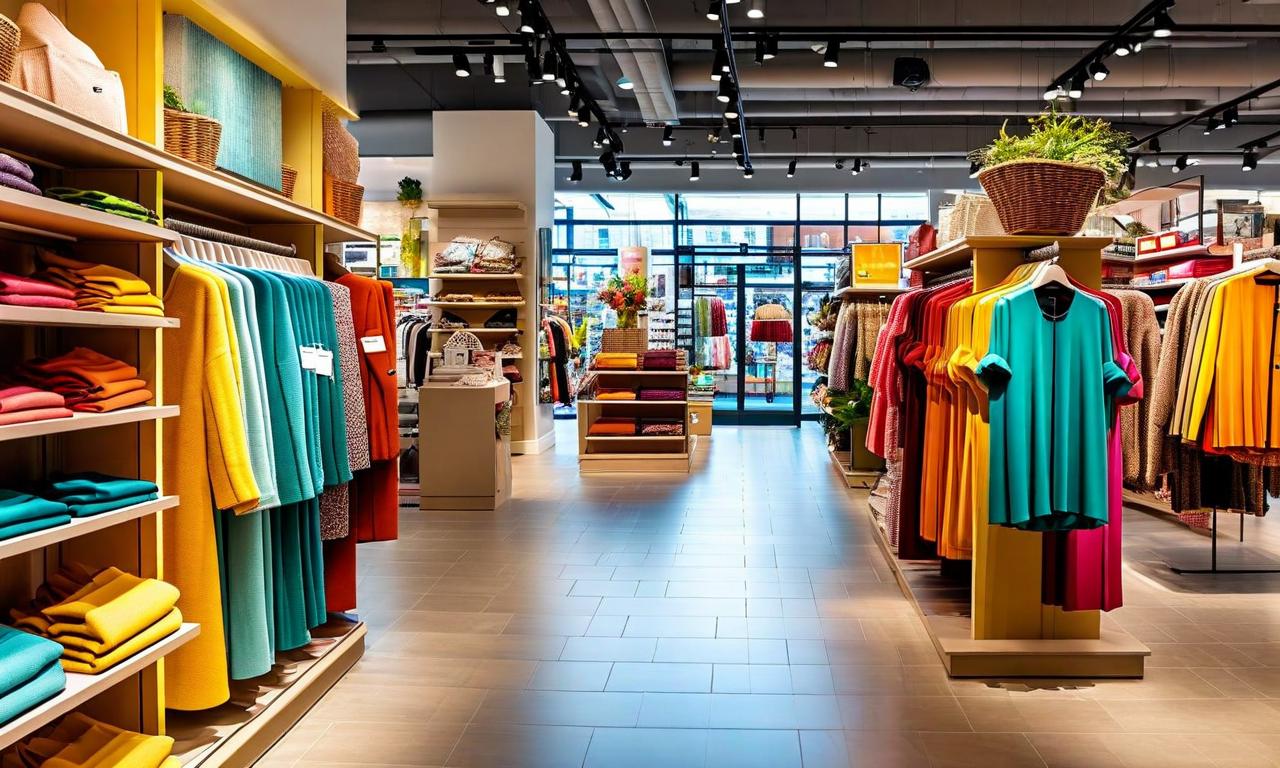
*this image is generated using AI for illustrative purposes only.
V-Mart Retail has shared a multi-pronged strategic outlook during its recent concall, covering return on capital employed (ROCE) targets, regional expansion plans, and cost management measures to shield consumers from rising input costs in the garment supply chain. The conference call, held on May 8, 2026, has been made available on the company's website.
Return on Capital Targets
Management has outlined an ambitious capital efficiency roadmap, aiming for a medium-term ROCE of 18-20%, with aspirations to eventually surpass 20-22% as recent investments begin to yield better returns. This trajectory reflects the company's confidence in its operational model and the improving productivity of capital deployed across its retail network.
North India Expansion Strategy
V-Mart Retail anticipates 50-70% store growth in North India over the next 5 years, citing high population density in the region as a key demand driver. This expansion focus underscores the company's intent to deepen its presence in its core geographies and leverage the structural consumption opportunity in value retail markets.
Managing Input Cost Pressures
Despite a 3-4% increase in overall garment costs, V-Mart Retail intends to restrict consumer price increases to just 1-2%. The company is navigating a challenging environment marked by yarn inflation of 10-15%, driven by elevated crude oil prices — a key feedstock for synthetic fibres widely used in value apparel. The key strategies being deployed include:
- Early orders: Locking in procurement ahead of anticipated price escalations to secure more favourable input costs
- Alternate sourcing: Diversifying supplier and raw material bases to reduce dependence on higher-cost inputs
- Better fabric utilisation: Optimising fabric consumption and minimising waste across product lines to improve cost efficiency
Key Strategic Metrics at a Glance
The following table summarises the strategic and cost dynamics highlighted during the concall:
| Parameter: | Details |
|---|---|
| Medium-Term ROCE Target: | 18-20% |
| Long-Term ROCE Aspiration: | Over 20-22% |
| North India Store Growth (5 Years): | 50-70% |
| Yarn Inflation (from higher crude prices): | 10-15% |
| Rise in Garment Costs: | 3-4% |
| Planned Consumer Price Increase: | 1-2% |
| Cost Mitigation Levers: | Early orders, alternate sourcing, better fabric use |
Preserving Market Share Through Pricing Discipline
The decision to absorb a substantial portion of the cost increase rather than passing it on to consumers underscores V-Mart Retail's strategic priority of maintaining market share. By keeping consumer price hikes well below the actual rise in input and garment costs, the company aims to sustain affordability for its core customer base in the value retail segment. This disciplined approach to pricing reflects a deliberate trade-off between near-term margin management and longer-term volume and market share objectives.
Historical Stock Returns for V Mart Retail
| 1 Day | 5 Days | 1 Month | 6 Months | 1 Year | 5 Years |
|---|---|---|---|---|---|
| -1.53% | -2.61% | +0.02% | +28.77% | -9.70% | 0.0% |

How will V-Mart Retail's decision to absorb 2-3% of garment cost increases impact its EBITDA margins over the next 2-3 quarters, and at what point does this pricing discipline become unsustainable?
Which specific North Indian states or tier-2/tier-3 cities are likely to be prioritized in V-Mart's 50-70% store expansion, and how does this compare to competitors like Zudio or Reliance Trends in the same geographies?
If crude oil prices remain elevated or rise further, pushing yarn inflation beyond 15%, what additional cost mitigation levers does V-Mart have beyond early orders, alternate sourcing, and fabric optimization?
 18
18







 Access Market Heat-map & Insights
  Create, Save & Share your Screener
  Use 200+ Screening Filters





