

Trishakti Industries Q2FY27 Results: Net profit jumps 223% YoY to ₹518.92 lakh


- Standalone net profit rose 223% YoY to ₹518.92 lakh in Q2FY27
- Revenue from operations more than doubled to ₹1,550.53 lakh
- Other income surged to ₹326.35 lakh from ₹3.71 lakh in Q2FY26
- Basic EPS improved to ₹3.10 from ₹0.98 in the same period last year



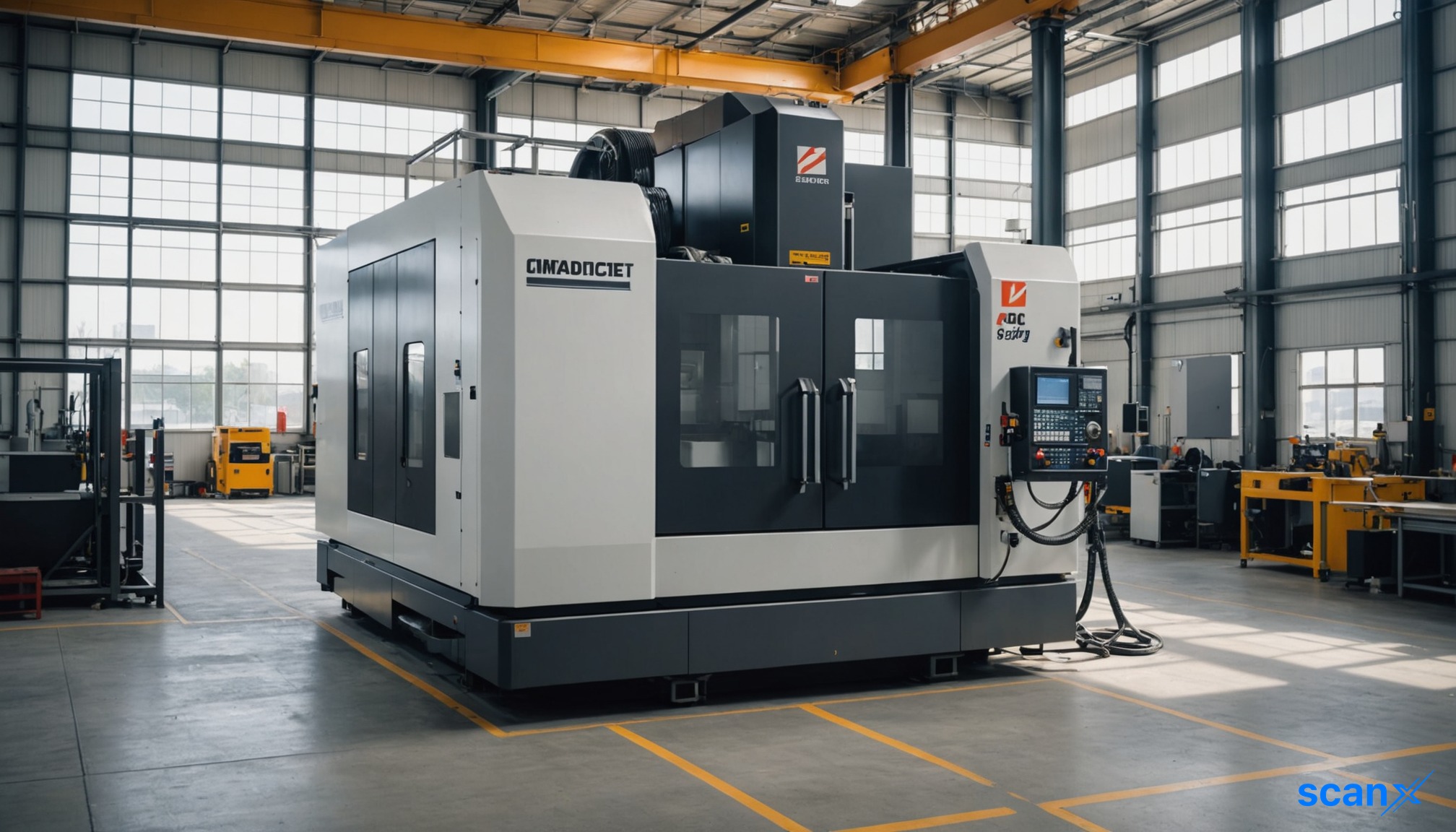
*this image is generated using AI for illustrative purposes only.
Trishakti Industries Limited reported a 223% year-on-year increase in standalone net profit for the quarter ended September 30, 2026 (Q2FY27). The Kolkata-based company clocked a net profit of ₹518.92 lakh, up from ₹160.63 lakh in the corresponding period last year.
The surge in bottom line was supported by a significant rise in revenue from operations, which more than doubled to ₹1,550.53 lakh from ₹665.07 lakh in Q2FY26. Other income also contributed substantially, rising sharply to ₹326.35 lakh from just ₹3.71 lakh in the previous year's quarter.
Financial Performance Highlights
The company's total revenue for the quarter stood at ₹1,876.88 lakh, reflecting strong growth across both operational and non-operational segments. Below is a comparison of key financial metrics for the quarter:
| Metric | Q2FY27 | Q2FY26 | Change |
|---|---|---|---|
| Revenue from Operations | ₹1,550.53 lakh | ₹665.07 lakh | +133% |
| Other Income | ₹326.35 lakh | ₹3.71 lakh | +8,745% |
| Total Revenue | ₹1,876.88 lakh | ₹668.78 lakh | +180% |
| Total Expenses | ₹1,225.96 lakh | ₹453.15 lakh | +171% |
| Profit Before Tax | ₹650.92 lakh | ₹215.63 lakh | +202% |
| Net Profit | ₹518.92 lakh | ₹160.63 lakh | +223% |
| EPS (Basic) | ₹3.10 | ₹0.98 | +216% |
Consolidated Results
On a consolidated basis, Trishakti Industries reported a net profit of ₹523.49 lakh for Q2FY27, compared to ₹158.74 lakh in Q2FY26. Total consolidated revenue rose to ₹1,883.12 lakh from ₹668.88 lakh in the same period last year. The consolidated earnings per share (EPS) improved to ₹3.13 from ₹0.97.
Balance Sheet and Cash Flow Trends
The company's financial position strengthened significantly during the half-year period. Total assets grew to ₹40,024.09 lakh as of September 30, 2026, up from ₹28,910.35 lakh on March 31, 2026. This expansion was largely driven by an increase in property, plant, and equipment and capital work-in-progress.
Key balance sheet movements include:
- Capital Work in Progress: Increased to ₹7,760.00 lakh from ₹2,581.67 lakh at the start of the fiscal year.
- Cash and Cash Equivalents: Rose to ₹300.46 lakh from ₹57.63 lakh.
- Borrowings: Non-current borrowings increased to ₹7,762.10 lakh from ₹6,526.46 lakh.
The cash flow statement shows that net cash from operating activities for the half-year ended September 30, 2026, was ₹7,486.56 lakh, up from ₹5,268.00 lakh in the corresponding period of the previous year. Investing activities saw an outflow of ₹10,060.67 lakh, primarily due to capital expenditure on property, plant, and equipment.
What the Numbers Show
A notable divergence exists between the growth in operating revenue and other income. While revenue from operations grew 133% YoY, other income surged over 8,700%, contributing nearly 17% of total revenue in Q2FY27. This suggests that non-operational gains played a disproportionately large role in the quarter's profitability spike compared to core business activities alone. Additionally, the sharp rise in Capital Work in Progress indicates aggressive capacity expansion or asset acquisition underway.
Historical Stock Returns for Trishakti Electronics
| 1 Day | 5 Days | 1 Month | 6 Months | 1 Year | 5 Years |
|---|---|---|---|---|---|
| +3.29% | +13.78% | +20.17% | +84.08% | +88.95% | +3,748.20% |

What specific assets or investments drove the 8,745% surge in other income, and is this revenue stream expected to be sustainable in future quarters?
How will the ₹10,060.67 lakh capital expenditure on property, plant, and equipment impact Trishakti Industries' production capacity and margin structure in FY28?
Given the 171% rise in total expenses against a 133% rise in operational revenue, what measures are being taken to improve operating leverage in subsequent quarters?
 15











 Access Market Heat-map & Insights
 Create, Save & Share your Screener
 Use 200+ Screening Filters





