

TCI posts 24th straight growth quarter, eyes ₹600 crore capex in FY27


TCI achieved 24th straight quarter of growth with 9% consolidated revenue rise in Q1FY27. Freight grew 10-11%, while seaways faced bunker cost pressures. Capex budget set at ₹550-600 crore for FY27, primarily for two new ships. Standalone PAT dipped slightly due to lower JV dividends, but ROCE remains strong at 23%.


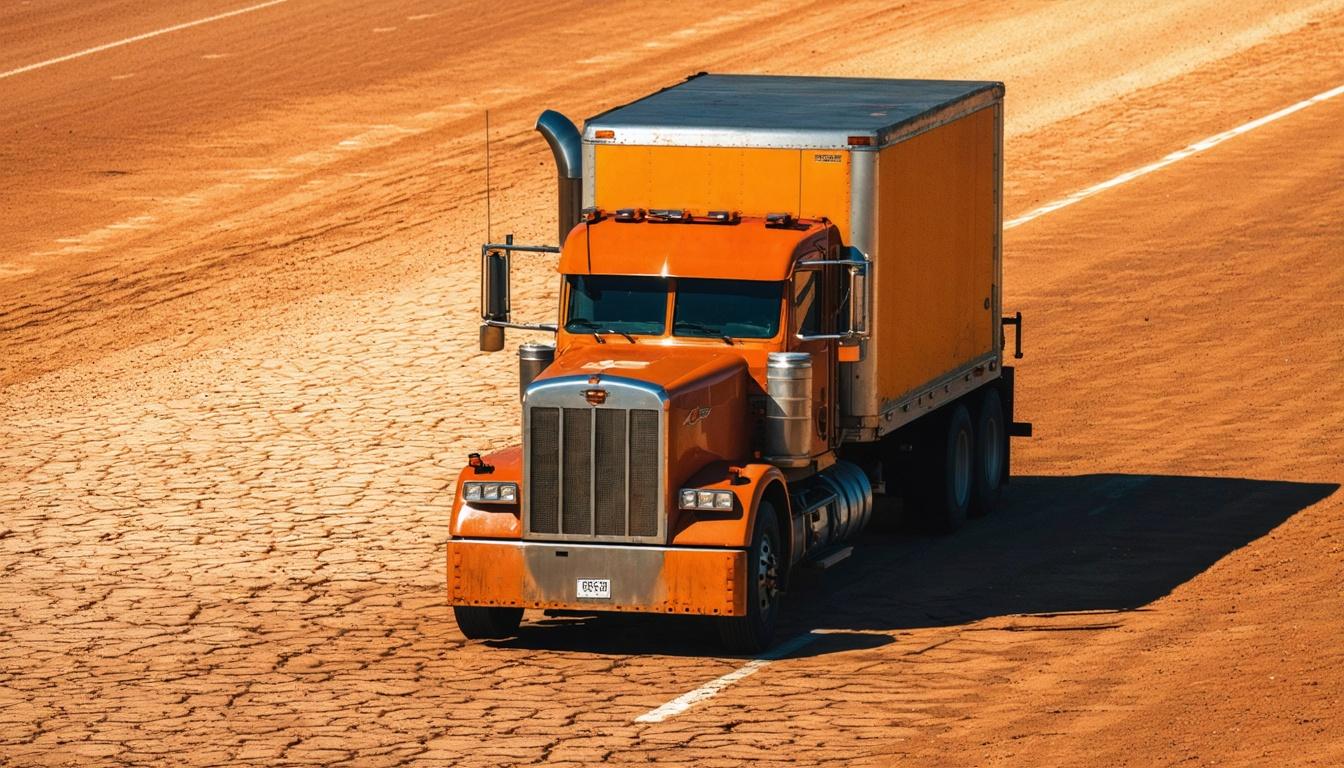
*this image is generated using AI for illustrative purposes only.
Transport Corporation of India Limited delivered its 24th consecutive quarter of revenue growth in Q1FY27, with consolidated top-line expanding by approximately 9%. The multimodal logistics provider maintained a strong balance sheet with close to ₹160 crore in cash, despite deploying ₹167 crore in capital expenditures during the quarter. Managing Director Vineet Agarwal and Group CFO Ashish Tiwari led the investor conference call on August 3, 2026, outlining a cautious yet optimistic outlook for the fiscal year amid geopolitical uncertainties in West Asia.
The company’s credit rating was enhanced to AA+ by CARE, reflecting its robust financial health. While standalone net profit (PAT) turned slightly negative due to lower dividend income from joint ventures, consolidated profitability remained stable. Return on Capital Employed (ROCE) stood at approximately 23%, and Return on Net Worth (RONW) remained at around 20%. The transcript of the call was submitted to BSE Ltd. and NSE India on August 7, 2026, in compliance with Regulation 30 of the SEBI (Listing Obligations and Disclosure Requirements) Regulations, 2015.
Segment Performance and Operational Highlights
The freight business saw a 10-11% growth in revenue, driven by a combination of volume increases and slight value appreciation. Management noted that while Full Truck Load (FTL) volumes remained steady, Less Than Truck Load (LTL) operations showed promising traction. The supply chain segment experienced moderate growth as it came off a higher base from the previous year, though EBITDA margins improved slightly due to prior investments. However, EBIT levels remained flat as new warehouse setups and equipment acquisitions required time to stabilize returns.
In the seaways division, bunker prices surged significantly, reaching up to ₹86,000 per ton recently due to the Middle East crisis. Although TCI increased rates for customers, margins remained flat as voyage counts were similar to the prior year, impacted by scheduled dry docks. Joint venture contributions were mixed; the Concor JV grew by 88%, while the Cold Chain JV expanded by 48%. Conversely, dividend income from the Toyota JV (Trans System) declined, impacting standalone profitability.
| Business Vertical | Key Metric | Detail |
|---|---|---|
| Consolidated Revenue | ~9% YoY Growth | 24th consecutive quarter of growth |
| Freight Business | 10-11% Top-line Growth | Driven by volume and slight value increase |
| Seaways | Flat Margins | Bunker prices rose to ₹86,000/ton |
| Concor JV | 88% Growth | Strong performance in rail logistics |
| Cold Chain JV | 48% Growth | Benefiting from new contracts acquired last year |
Capital Expenditure and Future Outlook
Management outlined a substantial capital expenditure budget of ₹550-600 crore for FY27. Approximately ₹237 crore is allocated for the final payments on two new ships expected in September and October-November 2026. Additional investments include ₹120 crore for trucks and new rakes, ₹100 crore for warehousing, and another ₹100 crore for equipment and IT services. The company is also exploring the acquisition of a third new ship or second-hand vessels to expand capacity.
Looking ahead, TCI projects full-year revenue growth of 10-12% for the freight business and 12-15% for the supply chain segment. Management anticipates that diesel price hikes, which have risen by 6-7%, will result in a 1-2% value realization benefit in subsequent quarters as supplementary bills are processed. However, volatility in bunker prices remains a key risk factor for the seaways division, with EBITDA margins potentially compressing to the 30-40% range if fuel costs remain elevated.
What the Numbers Show
The divergence between standalone and consolidated profitability highlights the company's reliance on joint venture dividends for bottom-line strength. While operational segments like freight and supply chain are growing steadily, the decline in dividend income from the Toyota JV has weighed on standalone PAT. This underscores the importance of the upcoming capex cycle, particularly the induction of new ships, which management expects to reach full utilization within four to six months. The AA+ rating upgrade signals market confidence in TCI’s ability to manage high capex outlays while maintaining debt-free status in its core operations.
Historical Stock Returns for Transport Corporation of India
| 1 Day | 5 Days | 1 Month | 6 Months | 1 Year | 5 Years |
|---|---|---|---|---|---|
| -0.64% | +0.85% | +3.83% | -13.12% | -27.97% | 0.0% |

How will the induction of two new ships in Q2 and Q3 FY27 impact TCI's seaways division margins given the current volatility in bunker prices?
What specific strategies is management implementing to mitigate the risk of EBITDA margin compression in the seaways division if Middle East geopolitical tensions persist?
Will TCI's exploration of acquiring a third new ship or second-hand vessels be influenced by the stabilization timeline of its existing fleet's utilization rates?
 17
17






 Access Market Heat-map & Insights
  Create, Save & Share your Screener
  Use 200+ Screening Filters





