

Tesla Optimus 2026 Launch Odds Fall to 9% on Polymarket


- Polymarket odds for Tesla's Optimus 2026 launch fell to 9%, down from a peak of 33%
- Tesla plans to spend over $25 billion in 2026 on AI, robotaxis, and Optimus development
- Analysts project a $1.7 trillion total addressable market, with $300 billion serviceable near-term
- Modeled robot operating cost is $5/hour versus $35/hour for human labor
- Tesla stock rose 5.14% to $362.86 but remains down 19.31% year-to-date

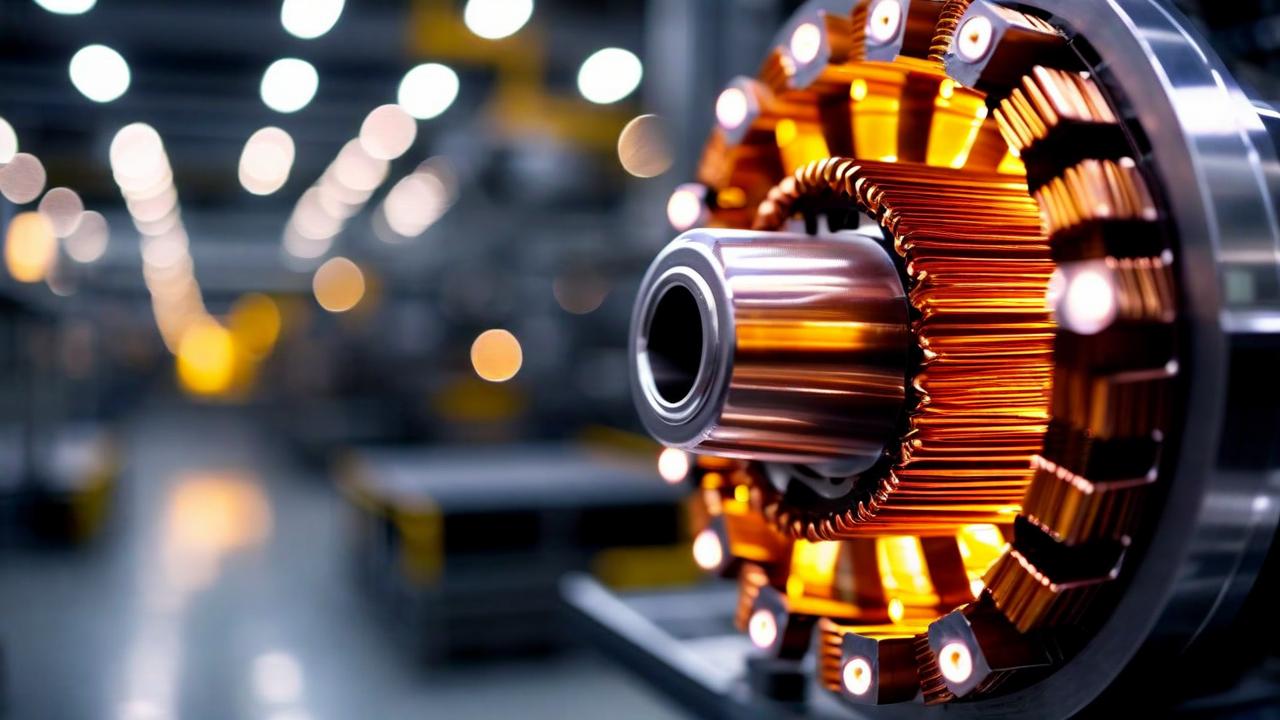

*this image is generated using AI for illustrative purposes only.
Cryptocurrency prediction market Polymarket has significantly lowered the probability of Tesla Inc. (NASDAQ: TSLA) commercially launching its Optimus humanoid robot by the end of 2026. The odds currently stand at 9%, reflecting a sharp decline in market confidence regarding the near-term timeline.
Market Sentiment Shift
The probability of a 2026 launch has dropped 2% in the past week and 15% over the last month. This represents a steep correction from a peak of 33% recorded just one month ago. The pricing action suggests growing skepticism among bettors about Tesla's ability to meet its aggressive deployment schedule within the current fiscal year.
Strategic Vision and Capex
Despite the shifting market odds, Tesla CEO Elon Musk maintains an ambitious roadmap for the bipedal autonomous robot. Musk recently reiterated that Optimus is designed to perform repetitive, boring, or dangerous tasks, with long-term applications ranging from household chores like cooking and lawn mowing to skilled labor and elder care.
To support this vision, Tesla plans to spend more than $25 billion in 2026 on AI computing, robotaxis, and Optimus development. This capital expenditure is expected to rise for another two to three years. The company is also converting part of its Fremont facility into a dedicated Optimus factory, targeting an annual production capacity of 1 million robots.
Analyst Perspective: Cost Advantage
Shay Boloor, chief market strategist at Futurum Equities, cited a Citizens Bank analysis projecting that Tesla’s Optimus could eventually target a $1.7 trillion U.S. labor market. The analysis identifies $300 billion of this market—primarily in hospitality, manufacturing, and construction—as serviceable in the near term.
Boloor noted that Tesla holds a "massive advantage" as the first customer. By deploying Optimus internally, Tesla can lower its own labor costs while proving the technology's efficacy before selling it into the broader market. The analysis models a humanoid robot operating cost at approximately $5/hour, compared to roughly $35/hour for a human worker.
What the Numbers Show
The divergence between the projected operating costs and human labor wages highlights the core economic thesis for Optimus. With the robot modeled at $5/hour versus $35/hour for human workers, the potential margin expansion or cost savings per unit of labor is substantial. This cost differential underpins the analyst view that internal deployment serves as both a proof-of-concept and a direct efficiency driver before external commercialization.
Stock Performance
Tesla shares closed 5.14% higher at $362.86 on Friday. However, the stock has plunged 19.31% year-to-date. Benzinga’s Edge Stock Rankings indicate that TSLA is underperforming across short-, medium-, and long-term trends.

How might the sustained $25 billion+ annual capital expenditure for Optimus impact Tesla's free cash flow and profitability margins in the near term?
What specific regulatory or safety hurdles could further delay the commercial deployment of humanoid robots in sensitive sectors like elder care and construction?
Could other automotive or tech giants accelerate their own robotics R&D to compete with Tesla's projected $5/hour operating cost advantage?
 15
15





 Create Custom Screeners
  Access 200+ Pre-built Filters
  Use 50+ Readymade Screener





