Tesla discontinues Solar Roof tiles, pivots to conventional panels

scanx
Reviewed by
Anirudha BScanX News Team
Key Highlights
  • Tesla discontinues Solar Roof tiles, citing economic unviability
  • Company shifts focus to conventional solar panels and Powerwall batteries
  • Solar Roof page removed from website and Energy navigation menu
  • Product faced challenges with high installation costs and price hike lawsuits
powered bylight_fuzz_icon
48841951

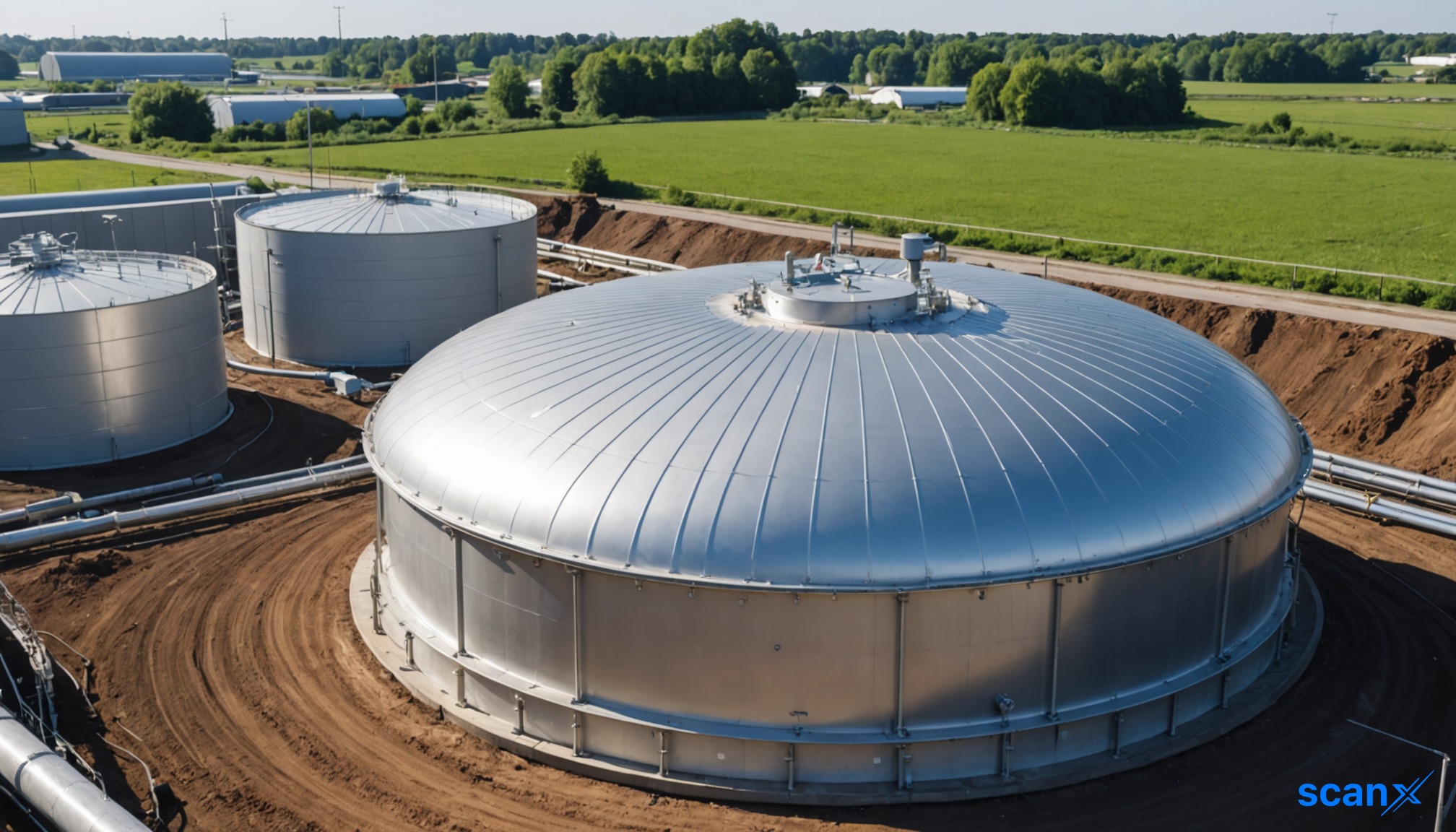
*this image is generated using AI for illustrative purposes only.

Tesla Inc (NASDAQ: TSLA) has discontinued its Solar Roof tiles, telling certified third-party installers it will supply conventional solar panels instead. The move formalizes a strategic retreat from the residential roofing segment.

The electric vehicle maker confirmed the decision in a report by Electrek. Tesla cited economic unviability as the primary reason for halting the product line. The company’s website now redirects the Solar Roof page to its standard solar panels section, and the product has been removed from the Energy navigation menu.

Product Discontinuation

Tesla ended sales of its Solar Roof tiles. The company determined that the product could not be sustained economically. This decision applies to the residential solar roofing segment. Tesla stopped including solar roof deployment figures in its quarterly reports starting in early 2024, signaling the gradual phase-out before this formal announcement.

Market Implications

The discontinuation signals a retreat from the residential roofing market. Tesla previously promoted Solar Roof as a key part of its energy ecosystem. The exit suggests challenges in achieving profitability for this specific product line. Existing customers face a shift toward traditional solar solutions paired with Powerwall batteries.

Historical Context

Elon Musk unveiled Tesla’s solar roof tiles in 2016, shortly before shareholders approved the roughly $2.6 billion acquisition of SolarCity. In November 2021, Tesla launched a new version with increased power and efficiency. However, installations often cost far more than initial quotes. Price hikes led to a class-action lawsuit settled for $6 million in 2023.

Strategic Pivot

Tesla has shifted toward standard rooftop solar paired with Powerwall. Elon Musk emphasized plans for large-scale U.S. solar panel manufacturing rather than Solar Roof tiles. In May 2024, Musk announced plans for the Texas gigafactory to be fully covered by solar panels, highlighting the focus on conventional technology.

How will Tesla's pivot to conventional solar panels and Powerwall integration impact its energy storage revenue growth trajectory?

What competitive advantages might traditional roofing companies gain now that Tesla has exited the premium solar tile market?

Could the discontinuation of Solar Roof signal a broader strategic shift for Tesla away from residential consumer products toward utility-scale infrastructure?

like20
dislike

Tesla recalls 2.98 million China vehicles over door trap risk

scanx
Reviewed by
Riya DScanX News Team
Key Highlights
  • Tesla is recalling 2.98 million vehicles in China over concealed emergency door releases linked to at least 15 deaths across 12 crashes
  • A separate recall covers 2.74 million China-made Model 3 and Model Y vehicles for a driver-attention monitoring software update
  • The combined actions affect nearly 5 million vehicles, the largest recall Tesla has ever initiated in China
  • The fix involves warning labels and an OTA software update; Tesla is not replacing door hardware
  • China generated $20.96 billion, roughly 22% of Tesla's total revenue, but July retail sales fell 32% YoY as Tesla dropped out of the top 10 NEV brands
powered bylight_fuzz_icon
48853489

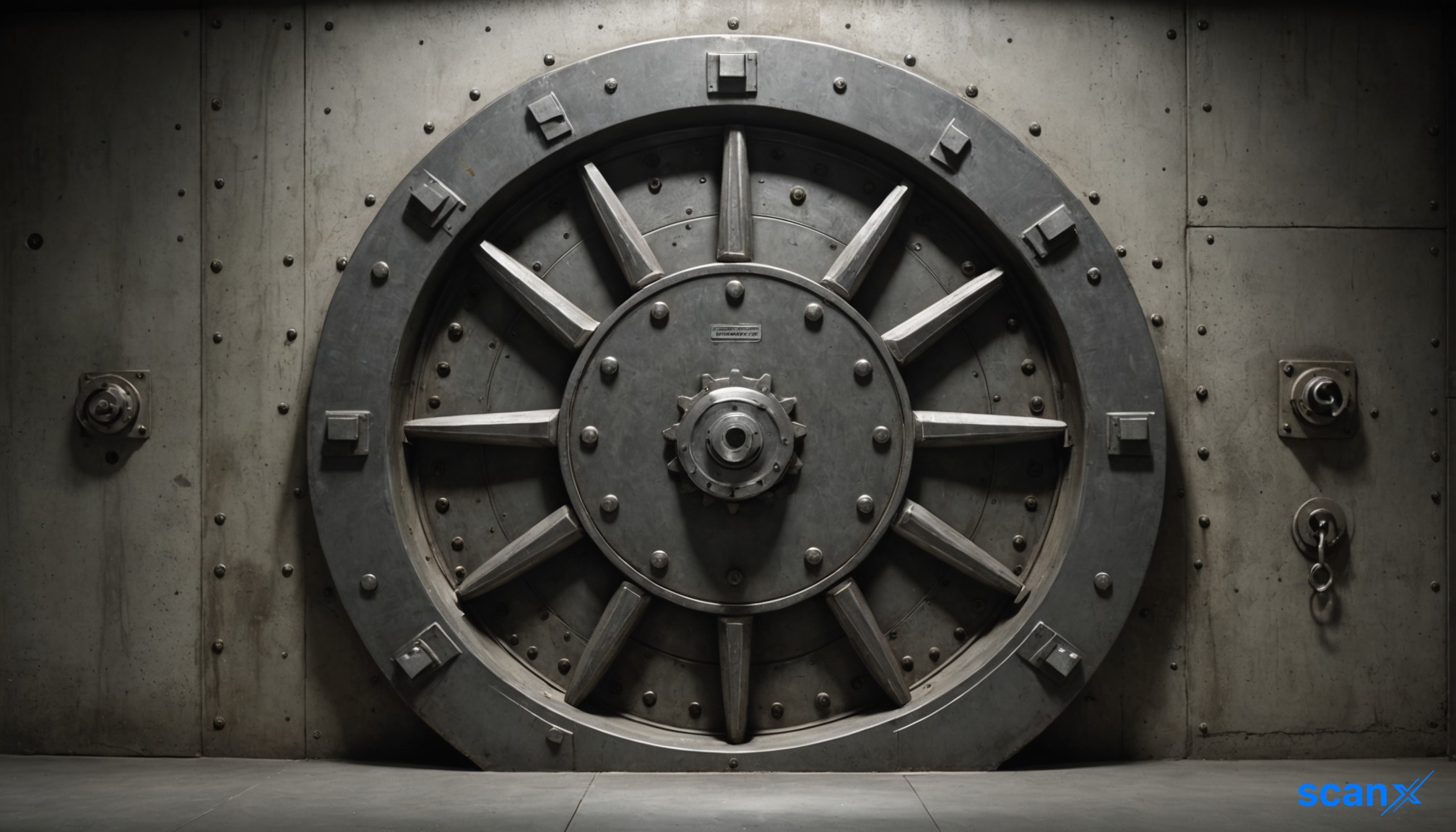
*this image is generated using AI for illustrative purposes only.

Tesla Inc. is recalling 2.98 million vehicles in China, its largest ever recall in the market, after concealed emergency door releases were linked to at least 15 deaths across 12 crashes where occupants could not escape burning vehicles.

Bloomberg identified the fatalities in cases where occupants or rescuers could not open the doors of burning Teslas after a collision cut power. China's market regulator has confirmed the recall, with the fix limited to warning labels and a software update rather than new hardware.

Why passengers become trapped

Tesla doors normally open with electrically powered buttons, which may stop working if a collision knocks out the car's low-voltage system. Passengers must then locate mechanical releases that the regulator says can blend into the interior. Rear passengers in a Model Y, for example, may need to remove a cover at the bottom of the door pocket and pull a concealed cable.

The recall covers China-made and imported Model 3, Model Y, Model S, and Model X vehicles built between 2018 and 2026. Tesla will attach labels identifying the releases and push an over-the-air (OTA) update that automatically lowers windows after a collision. Tesla is not replacing the door hardware.

A second recall: driver-attention monitoring

A separate action covers 2.74 million China-made Model 3 and Model Y vehicles, requiring an OTA software update to enhance driver-attention monitoring while assisted steering and other driver-assistance functions are active. The update aims to reduce collision risks if drivers fail to react promptly to system prompts. Together, the two actions bring the total vehicles affected to nearly 5 million, marking the largest recall Tesla has ever initiated in China.

Recall component Vehicles affected Fix
Emergency door release (Model 3, Y, S, X) 2.98 million Warning labels + OTA window-drop update
Driver-attention monitoring (Model 3, Y) 2.74 million OTA software update

Door design under scrutiny

Some occupants reportedly survived the initial impact only to die or suffer serious injuries in the fire that followed. Tesla design chief Franz von Holzhausen has said the company is working to combine the electronic and mechanical releases into a single intuitive control for a "panic situation," according to Reuters.

China has banned concealed door handles without mechanical releases on new vehicles from 2027, with existing models required to comply by 2029. U.S. regulators are also considering new emergency-egress requirements.

China market context

China remains Tesla's second-largest market, generating $20.96 billion in revenue, roughly 22% of total revenue, according to its annual report. However, Tesla is losing ground inside the country: July retail sales fell 32% from a year earlier even as China's battery-EV market grew 6%. Tesla fell outside the country's top 10 NEV brands, while BYD remained No. 1 with a 23.5% share, according to CPCA data.

Tesla has faced previous recalls in the region. In December 2024, the company recalled 77,650 Model 3 and Y vehicles due to tire pressure monitoring system issues. Globally, Tesla recalled over 218,000 vehicles in the US regarding rearview camera defects.

How might the decision to rely on software updates and labels rather than hardware changes impact Tesla's brand reputation and consumer trust in China?

Will the upcoming 2027-2029 regulatory bans on concealed door handles force Tesla to redesign its entire vehicle lineup for the Chinese market, and what are the associated cost implications?

Could this massive recall accelerate the shift of market share from Tesla to domestic competitors like BYD, given Tesla's recent 32% drop in retail sales?

like20
dislike

More News on Tesla Inc