

Technocrats Plasma FY26 Results: Net profit up 128% YoY to ₹149.4 crore


- Net profit surged 128% YoY to ₹149.36 crore in FY26
- Revenue from operations jumped 166% to ₹1,313.09 crore
- Debt-equity ratio improved to 0.38 from 0.95
- Company completed IPO raising ₹609.84 crore in August 2026
- No dividend recommended for the financial year

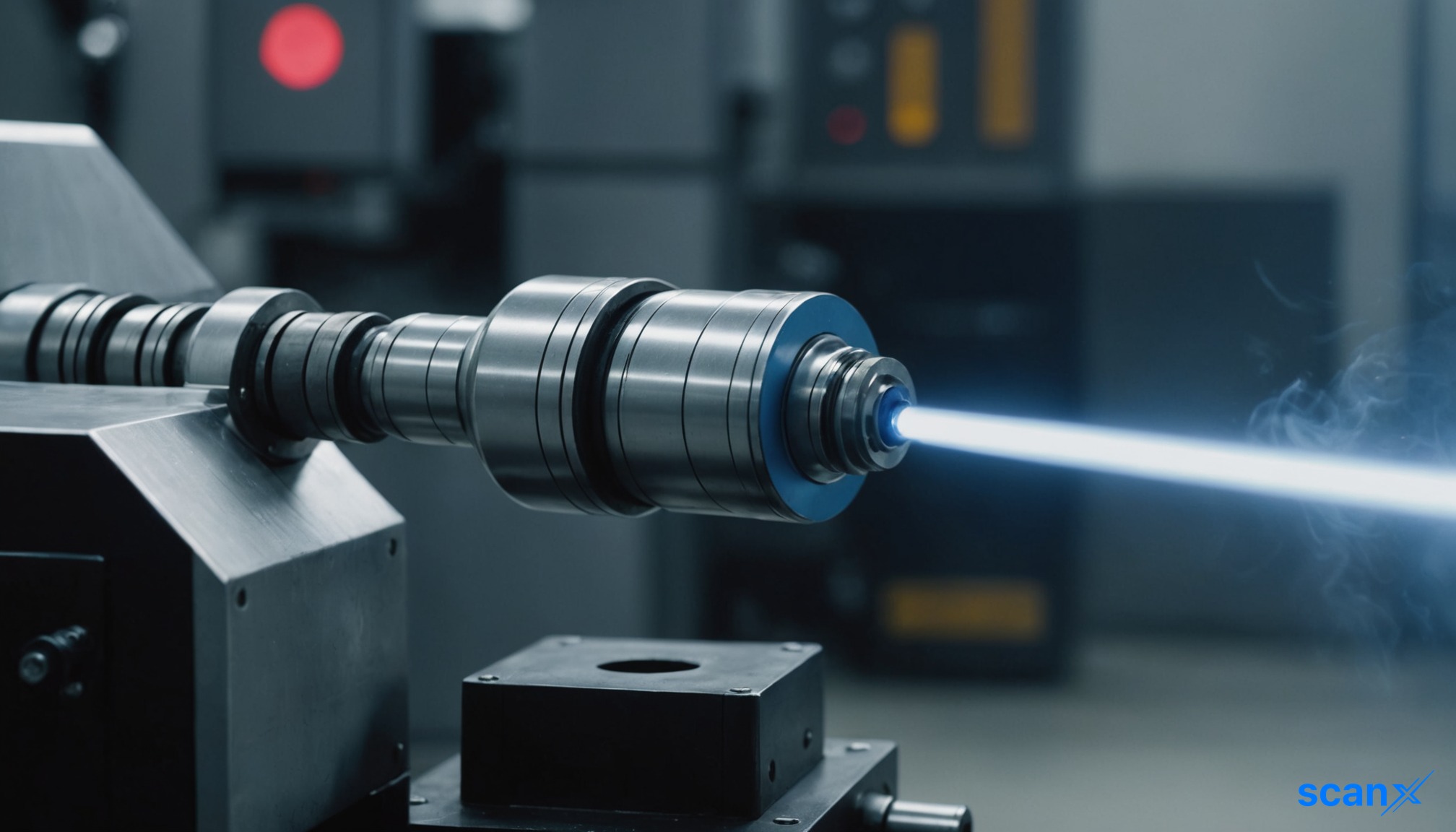

*this image is generated using AI for illustrative purposes only.
Technocrats Plasma Systems reported a 128% year-on-year increase in net profit to ₹149.36 crore for the financial year ended March 31, 2026 (FY26). Revenue from operations surged 166% to ₹1,313.09 crore, reflecting significant operational expansion during the period.
The company, formerly known as Technocrats Plasma Systems Private Limited, completed its conversion to a public limited company in October 2025. It subsequently conducted an initial public offering (IPO) in August 2026, raising ₹609.84 crore by issuing 46.2 lakh equity shares at ₹132 per share.
Financial Performance
Revenue growth was supported by higher manufacturing activity and service revenues. The company recorded manufacturing activity revenue of ₹806.88 crore and service and other revenue of ₹506.21 crore. Cost of materials consumed rose to ₹1,126.93 crore from ₹444.08 crore in the previous year, aligning with the scale-up in operations.
| Metric | FY26 | FY25 | Change |
|---|---|---|---|
| Revenue from Operations | ₹1,313.09 crore | ₹493.57 crore | +166% |
| Net Profit | ₹149.36 crore | ₹65.36 crore | +128% |
| Earnings Per Share | ₹11.63 | ₹0.04 | N/A |
The net profit margin stood at 11.37%, down from 13.24% in FY25. The decline in margin is attributed to increased operating costs and input prices associated with the expanded scale of operations. Other income remained relatively flat at ₹9.76 lakh compared to ₹8.49 lakh in the prior year.
What the Numbers Show
A significant portion of the company's cost structure is tied to integrated turnkey contracts. Note 24A reveals that manpower and service costs constituted ₹1,013.01 crore, or approximately 90% of the total cost of materials consumed. This indicates that the business model relies heavily on labor-intensive execution and technical services rather than pure material trading, which can impact margin sensitivity to wage inflation and project complexity.
Balance Sheet and Capital Structure
The debt-equity ratio improved significantly to 0.38 from 0.95 in the previous year. This deleveraging was driven by the accretion of profits to reserves and the capital raised through the IPO and preferential allotments. Total shareholder funds increased to ₹390.06 crore from ₹108.30 crore.
Short-term borrowings rose to ₹67.59 crore from ₹14.92 crore, primarily due to increased working capital requirements for inventory and trade receivables. Inventories grew to ₹331.83 crore, while trade receivables stood at ₹209.75 crore. The current ratio improved to 2.80 from 2.14, indicating stronger short-term liquidity.
Corporate Developments
During FY26, the company undertook several corporate actions. It subdivided its equity shares from a face value of ₹100 to ₹10 each. A bonus issue of 1.10 crore shares was also executed. The Board did not recommend any dividend for the financial year.
The company appointed KPJS & Associates as its Secretarial Auditor for five years starting FY27. Related party transactions for FY27 have been approved up to an aggregate limit of ₹100 crore, covering sales, purchases, leasing, and services.
Historical Stock Returns for Technocrats Plasma Systems
| 1 Day | 5 Days | 1 Month | 6 Months | 1 Year | 5 Years |
|---|---|---|---|---|---|
| +1.89% | +8.15% | +55.53% | +201.52% | +201.52% | +201.52% |

How will the heavy reliance on manpower and service costs (90% of material costs) impact Technocrats Plasma Systems' margins if wage inflation persists in the coming quarters?
Given the 166% revenue surge and significant inventory buildup to ₹331.83 crore, what is the company's strategy for managing working capital cycles and potential obsolescence risks?
With net profit margins contracting from 13.24% to 11.37% despite top-line growth, what specific operational efficiencies or pricing power strategies does management plan to implement to restore margin expansion in FY27?
 16
16






 Access 50+ Readymade Screeners
  Use 200+ Custom Filters
  Get Full Market Insights





