

TTML Reports Q4 Revenue of ₹3B vs ₹3.1B YoY Despite Strong Profit Turnaround


Tata Teleservices Maharashtra delivered mixed Q4 results with revenue declining to ₹3 billion from ₹3.1 billion year-over-year, but demonstrated exceptional operational turnaround with net profit of ₹6 billion versus previous year's loss of ₹3.06 billion. The company achieved strong margin expansion with EBITDA margin improving to 55.1% from 49.35%, reflecting superior cost management and operational efficiency despite revenue headwinds.


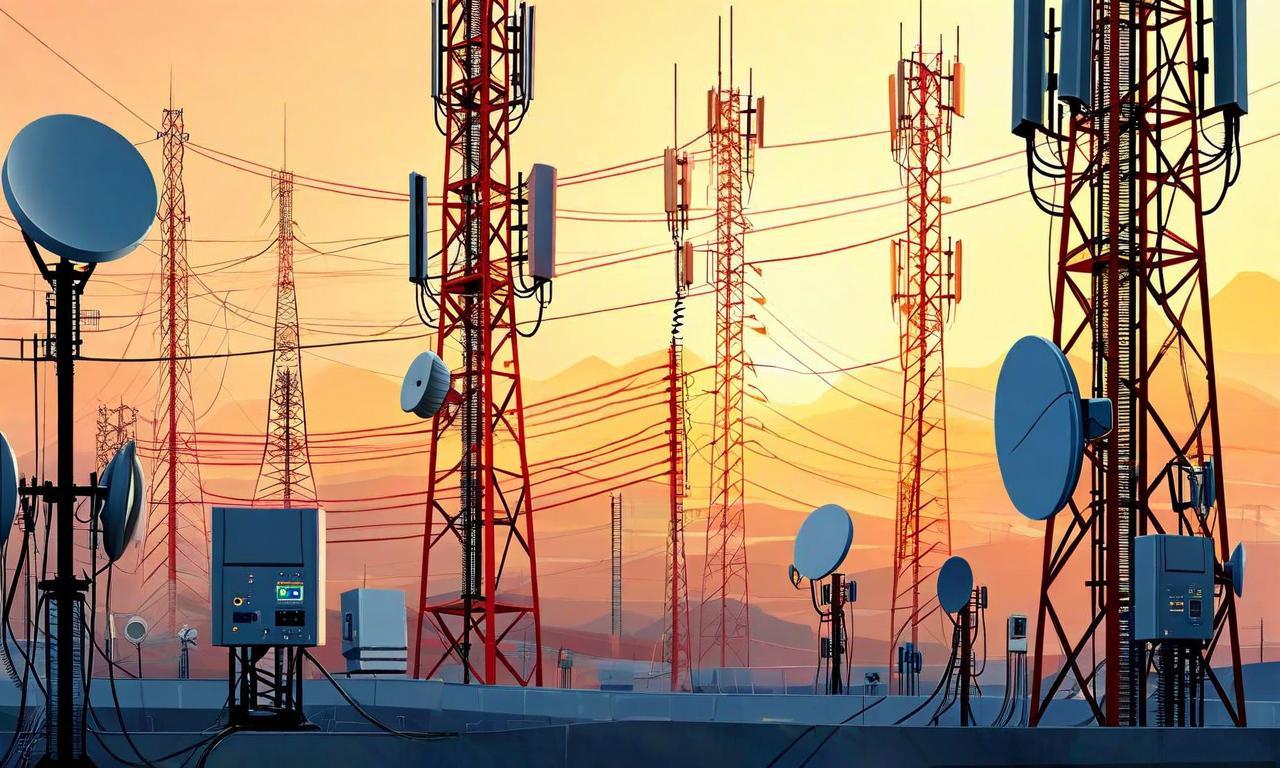
*this image is generated using AI for illustrative purposes only.
Tata Teleservices (Maharashtra) Limited has announced its financial results for the fourth quarter, demonstrating a remarkable operational and financial turnaround despite a slight decline in revenue. The company reported Q4 revenue of ₹3 billion compared to ₹3.1 billion in the previous year, while achieving a significant swing from loss to profitability with a net profit of ₹6 billion compared to a loss of ₹3.06 billion in the same period last year.
Q4 Financial Performance Overview
The company's latest quarterly results showcase comprehensive financial improvement across key profitability metrics, despite the revenue decline. The substantial swing from loss to profit, combined with enhanced operational efficiency, highlights the effectiveness of the company's cost optimization strategies and operational discipline in the telecommunications sector.
| Financial Metric: | Q4 Current Year | Q4 Previous Year | Change |
|---|---|---|---|
| Revenue: | ₹3 billion | ₹3.1 billion | -3.23% YoY |
| Net Profit/Loss: | ₹6 billion profit | ₹3.06 billion loss | Positive turnaround |
| EBITDA: | ₹1.62 billion | ₹1.52 billion | +6.58% YoY |
| EBITDA Margin: | 55.1% | 49.35% | +575 bps |
Operational Efficiency and Margin Expansion
Despite the revenue decline, the company's EBITDA performance demonstrates exceptional operational discipline and efficiency improvements. EBITDA increased to ₹1.62 billion from ₹1.52 billion year-over-year, representing healthy growth in operational cash generation. More notably, the EBITDA margin expanded significantly to 55.1% from 49.35% in the previous year, indicating superior cost management and operational leverage that more than offset the revenue impact.
Board Meeting and Regulatory Compliance
Earlier, the company had scheduled a Board of Directors meeting for April 23, 2026, to consider and approve the financial results for the fourth quarter and full year ended March 31, 2026. This notification was issued in accordance with Regulation 29 of the Securities and Exchange Board of India (Listing Obligations and Disclosure Requirements) Regulations, 2015.
| Meeting Details: | Information |
|---|---|
| Meeting Date: | April 23, 2026 |
| Results Period: | Q4FY26 and Annual FY26 |
| Regulatory Compliance: | SEBI LODR Regulations 2015 |
Trading Window and Corporate Governance
As part of standard corporate governance practices, Tata Teleservices (Maharashtra) Limited had implemented trading window restrictions for designated persons, which came into effect from April 1, 2026. These measures ensure compliance with insider trading prevention regulations and maintain transparency in corporate disclosures.
The strong financial turnaround, coupled with significant margin expansion and improved EBITDA performance, reflects the company's enhanced operational efficiency and strategic cost management, demonstrating its ability to maintain profitability despite revenue headwinds in the telecommunications sector.
Historical Stock Returns for Tata Teleservices Maharashtra
| 1 Day | 5 Days | 1 Month | 6 Months | 1 Year | 5 Years |
|---|---|---|---|---|---|
| -2.03% | -0.06% | -6.67% | -24.90% | -41.41% | 0.0% |

What strategic initiatives will Tata Teleservices implement to reverse the revenue decline while maintaining their improved profit margins?
How will the company's dramatic profitability turnaround impact its competitive positioning against major telecom players like Jio and Airtel?
Will Tata Teleservices consider expanding its operations or acquiring spectrum licenses given its strong cash generation capabilities?
 20
20






 Create Custom Screeners
  Access 200+ Pre-built Filters
  Use 50+ Readymade Screener





