

Tamilnadu Petroproducts net profit up 73% in FY26 to ₹88.76 crore


- Net profit rose 72.58% YoY to ₹88.76 crore in FY26
- Revenue from operations declined 19.7%, yet EBITDA margin hit 10.6%
- Dividend of 15% recommended for FY26
- Anti-dumping duties on LAB imports from Iran and Qatar mitigated competitive pressure

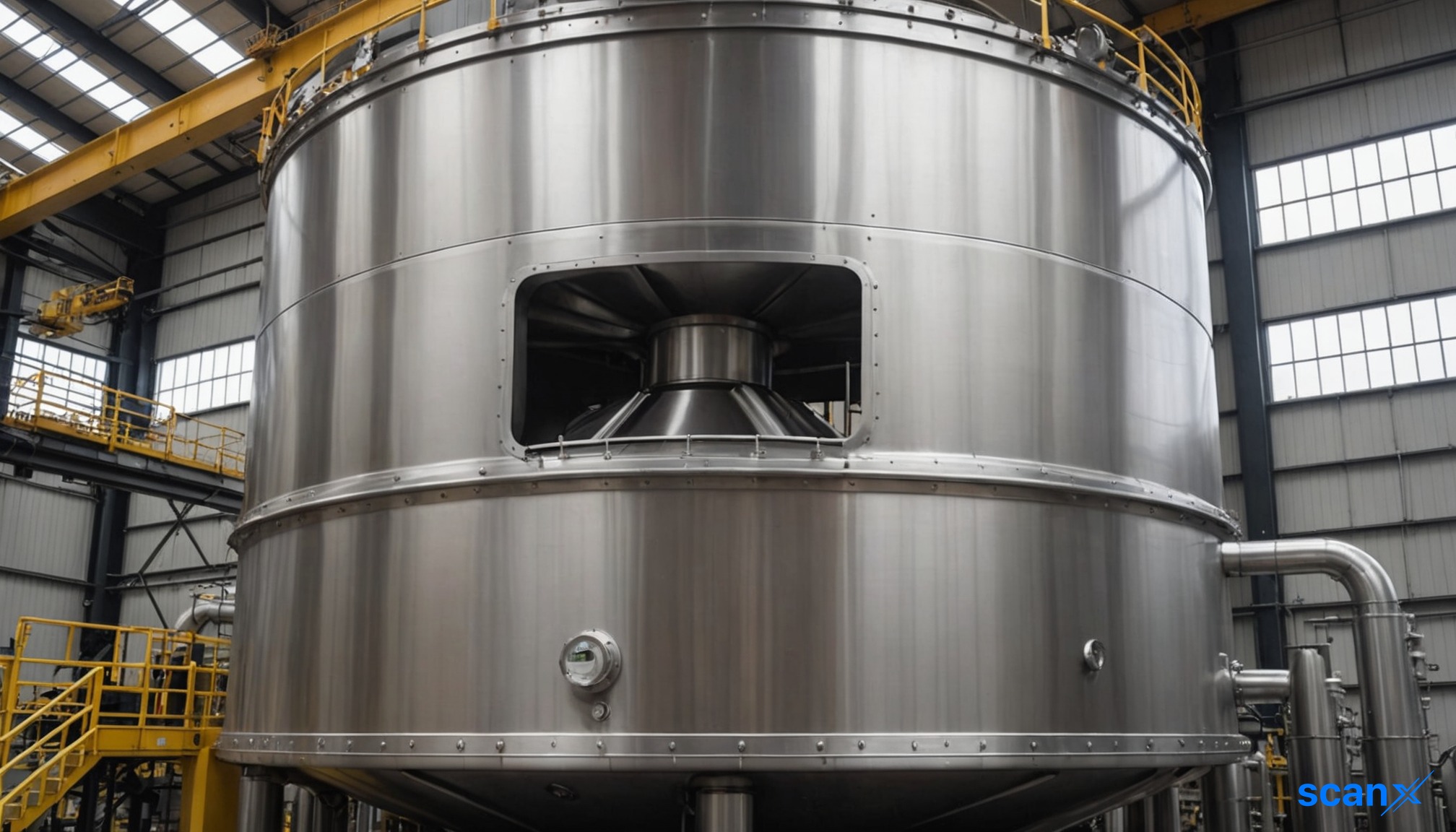

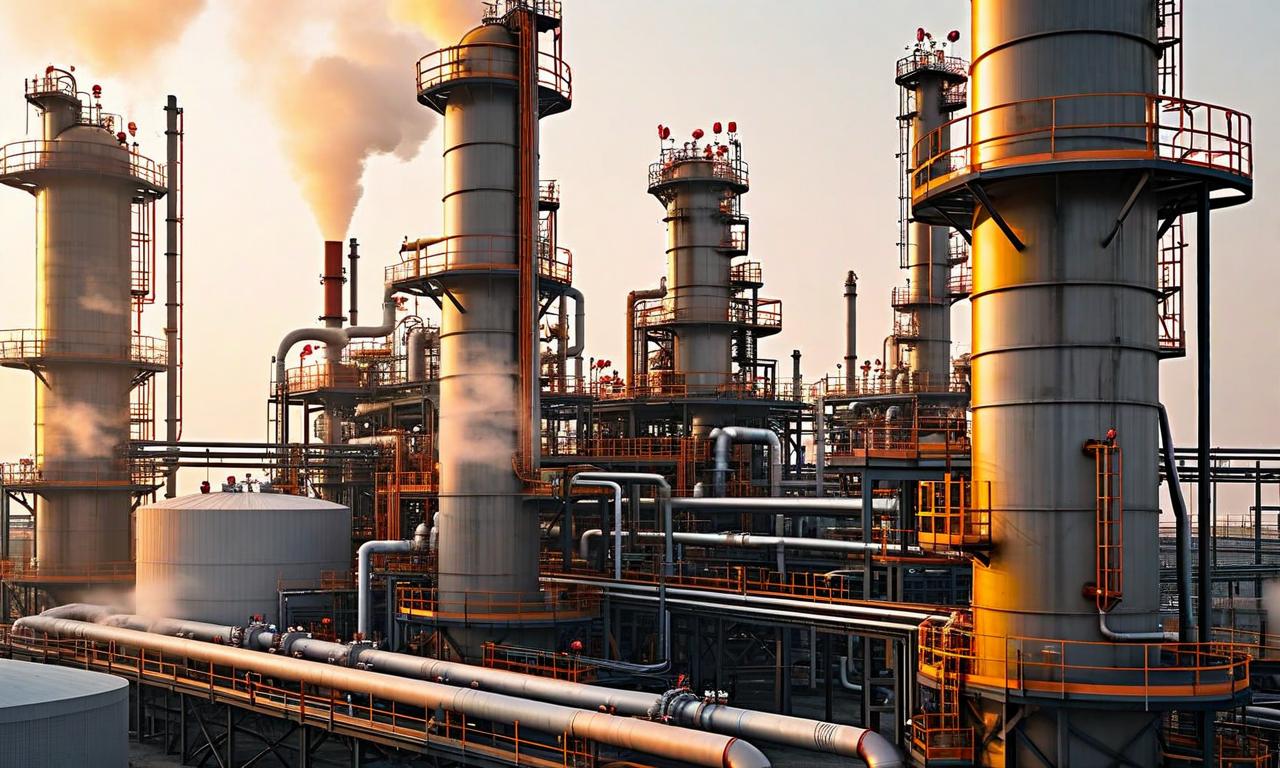
*this image is generated using AI for illustrative purposes only.
Tamilnadu Petroproducts Limited reported a net profit of ₹88.76 crore for FY26, marking a 72.58% increase from ₹51.43 crore in the previous year. This growth occurred despite a 19.7% decline in revenue from operations, highlighting improved operational efficiency and margin management.
The company declared a dividend of 15% for FY26 during its 41st Annual General Meeting held on September 25, 2026. The meeting also approved the re-appointment of S Senthil Kumar as Director and the appointment of Sanket Balvantrao Waghe as Director liable to retire by rotation.
Financial performance highlights
The company’s profit before tax stood at ₹112 crore, while EBITDA reached ₹155 crore with a double-digit margin of 10.6%. The divergence between falling top-line revenue and rising bottom-line profit underscores the effectiveness of cost optimization and better realizations achieved through disciplined procurement and sales strategies.
| Metric | FY26 | FY25 | Change |
|---|---|---|---|
| Net Profit | ₹88.76 crore | ₹51.43 crore | +72.58% |
| Revenue Growth | -19.7% | N/A | N/A |
| EBITDA Margin | 10.6% | N/A | N/A |
| Dividend | 15% | N/A | N/A |
What the numbers show
The simultaneous occurrence of a nearly 20% drop in revenue and a more than 70% jump in net profit indicates that the company’s earnings quality improved significantly due to non-revenue factors. Specifically, the management attributed this to better realizations, procurement optimization, and cost control rather than volume or price-driven top-line expansion. The EBITDA margin of 10.6% on a declining revenue base suggests that fixed costs were managed effectively while variable costs were optimized, allowing profitability to expand even as sales contracted.
Operational updates and industry context
The Linear Alkyl Benzene (LAB) industry faced challenges including disruptions in the Strait of Hormuz and volatility in normal paraffin prices. However, the imposition of anti-dumping duties on LAB imports from Iran and Qatar helped neutralize competitive pressure from cheaper imports. The company completed its LAB capacity expansion and modernized its Caustic Soda plant, which contributed to reinstating installed capacity in the Normal Paraffin Unit.
Energy efficiency initiatives included the installation of a Waste Heat Recovery Boiler and rooftop solar panels with an aggregate capacity of 590 kWp. Approximately 92% of power consumption at the Caustic Soda plant was sourced from renewable energy, supported by agreements under the Group Captive Scheme for 3 crore units of solar power annually.
Governance and resolutions
Shareholders adopted the audited financial statements for FY26 and ratified the remuneration to Cost Auditors for FY27. Special resolutions approved special performance incentives for Managing Director D Senthil Kumar and remuneration for Non-Executive Directors. The meeting was chaired by Ashwin C Muthiah, Vice-Chairman, who addressed shareholder queries regarding supply chain resilience and geopolitical impacts on raw material availability.
Historical Stock Returns for Tamilnadu Petroproducts
| 1 Day | 5 Days | 1 Month | 6 Months | 1 Year | 5 Years |
|---|---|---|---|---|---|
| +4.69% | +4.39% | +14.26% | +60.82% | +19.23% | +11.29% |

Will the anti-dumping duties on LAB imports from Iran and Qatar remain in effect, and how might their removal impact Tamilnadu Petroproducts' future pricing power?
How sustainable is the current EBITDA margin expansion if revenue continues to decline, and what is the company's strategy for returning to top-line growth?
What are the projected ROI timelines for the recent LAB capacity expansion and Caustic Soda plant modernization initiatives?
 17
17









 Create Custom Screeners
  Access 200+ Pre-built Filters
  Use 50+ Readymade Screener





