

Sula Vineyards Acquires Chandon's 19-Acre Nashik Estate; Expands Wine Production & Tourism


Sula Vineyards has entered into a definitive agreement to acquire Chandon's premium 19-acre wine estate in Dindori, Nashik from Moët Hennessy India for ₹20 crore. The strategic acquisition includes advanced wine production facilities with current capacity of 4.5 lakh litres annually, expandable to 13 lakh litres, along with premium hospitality infrastructure for wine tourism. Expected to close by end of Q1 FY27, the transaction will enhance Sula's production capabilities and tourism platform.


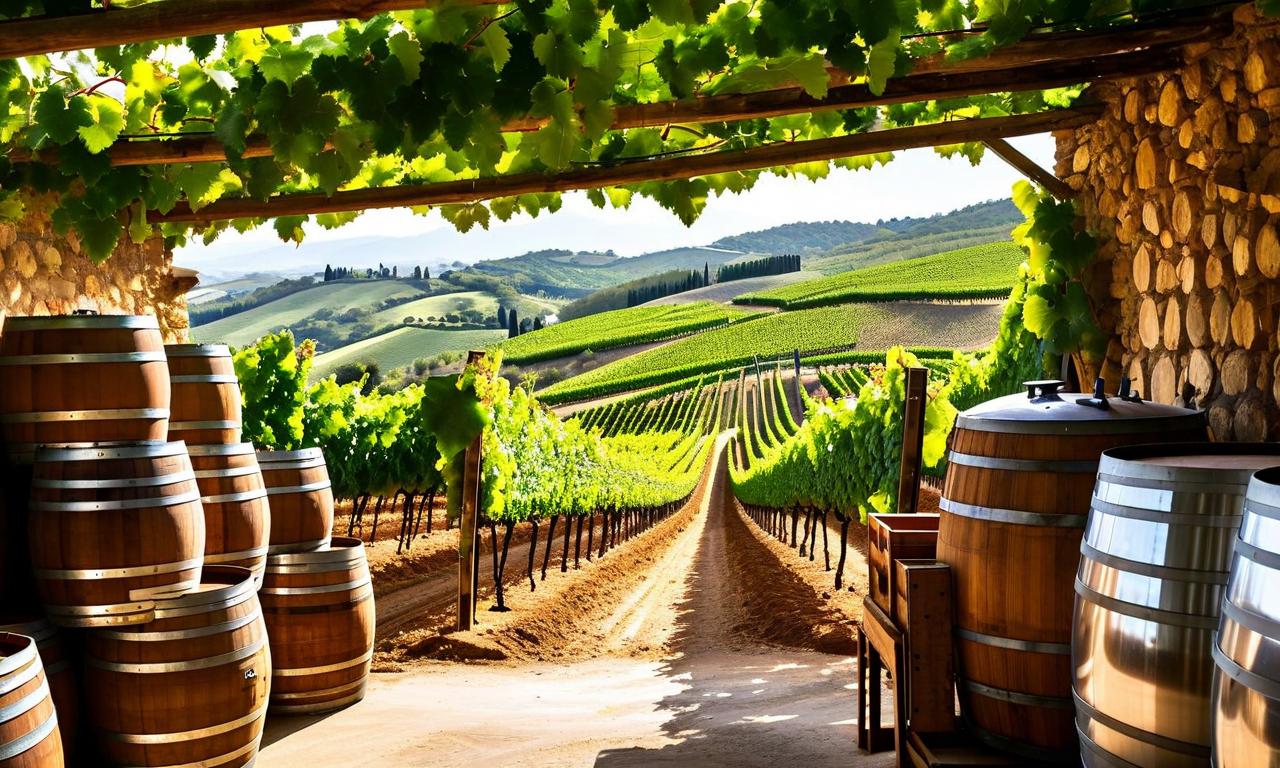
*this image is generated using AI for illustrative purposes only.
Sula Vineyards Limited has signed a definitive agreement to acquire Chandon's world-class wine estate in Dindori, Nashik, from Moët Hennessy India Private Limited for ₹20 crore. The transaction represents a strategic expansion into premium wine production and tourism capabilities, with the acquisition being undertaken through the company's wholly-owned subsidiary, Artisan Spirits Private Limited.
Estate Details and Production Capabilities
The Chandon estate spans 19 acres and comprises a highly advanced wine production facility with significant scalability potential. The property features comprehensive wine-making infrastructure alongside premium hospitality facilities designed for wine tourism experiences.
| Estate Features: | Specifications |
|---|---|
| Total Area: | 19 acres |
| Current Production Capacity: | 4.5 lakh litres annually |
| Scalable Capacity: | Up to 13 lakh litres |
| Vineyard Area: | 5 acres |
| Location: | Dindori, Nashik |
| Distance from Airport: | 20 minutes from Nashik Airport |
Strategic Location and Tourism Infrastructure
The estate is strategically positioned just 20 minutes from Nashik Airport, which is expected to see increased connectivity ahead of the upcoming Kumbh Mela. The property includes an ultra-premium visitor centre, banquet facility, and existing hospitality facilities that Sula will commence operating immediately upon handover. The proximity to Sula's existing wineries in Dindori enables seamless operational integration and efficient management.
Transaction Structure and Timeline
The asset purchase agreement covers land, buildings, and winemaking infrastructure while excluding all brand-related assets. Following completion, Chandon will cease wine production in India, and wines produced from the estate will be marketed by Sula under its own portfolio with no ongoing use of the Chandon brand.
| Transaction Details: | Information |
|---|---|
| Purchase Consideration: | ₹20 crore (excluding taxes) |
| Buyer: | Artisan Spirits Private Limited |
| Seller: | Moët Hennessy India Private Limited |
| Expected Closure: | End of Q1 FY27 |
| Funding Sources: | Internal accruals and debt |
| Regulatory Compliance: | Subject to approvals |
Strategic Vision and Market Impact
According to Rajeev Samant, Founder & CEO of Sula Vineyards, this acquisition represents a once-in-a-lifetime opportunity to acquire a world-class estate in Dindori, widely regarded as the home of India's finest wine grapes. Building on the success of Sula's flagship wine tourism destination near Gangapur Lake, which attracts over 3 lakh visitors annually as the most visited vineyard globally, the company sees strong potential to develop another landmark destination wine resort. The transaction is expected to play a key role in the next phase of growth for Sula's wine tourism business, leveraging the estate's strategic location and picturesque setting.
Historical Stock Returns for Sula Vineyards
| 1 Day | 5 Days | 1 Month | 6 Months | 1 Year | 5 Years |
|---|---|---|---|---|---|
| +0.29% | +0.02% | -10.61% | -20.25% | -49.38% | -60.46% |

How will Sula leverage the upcoming Kumbh Mela's increased tourism to maximize visitor traffic at the newly acquired Chandon estate?
What impact will scaling production capacity from 4.5 lakh to 13 lakh litres have on Sula's market share in India's premium wine segment?
Could this acquisition signal further consolidation in India's wine industry as international brands reassess their local production strategies?
 15
15





 Create Custom Screeners
  Access 200+ Pre-built Filters
  Use 50+ Readymade Screener





