

Steelcast targets 30% volume growth, cites robust demand


Steelcast Limited posted a 19% rise in Q1FY27 net profit to ₹23.71 crore, fueled by strong export demand and operational efficiency. Management projects 25-30% volume growth for FY27, backed by a ₹140 crore order book and new part serializations. The company also approved a ₹120 crore greenfield expansion and declared an interim dividend of ₹0.45 per share.


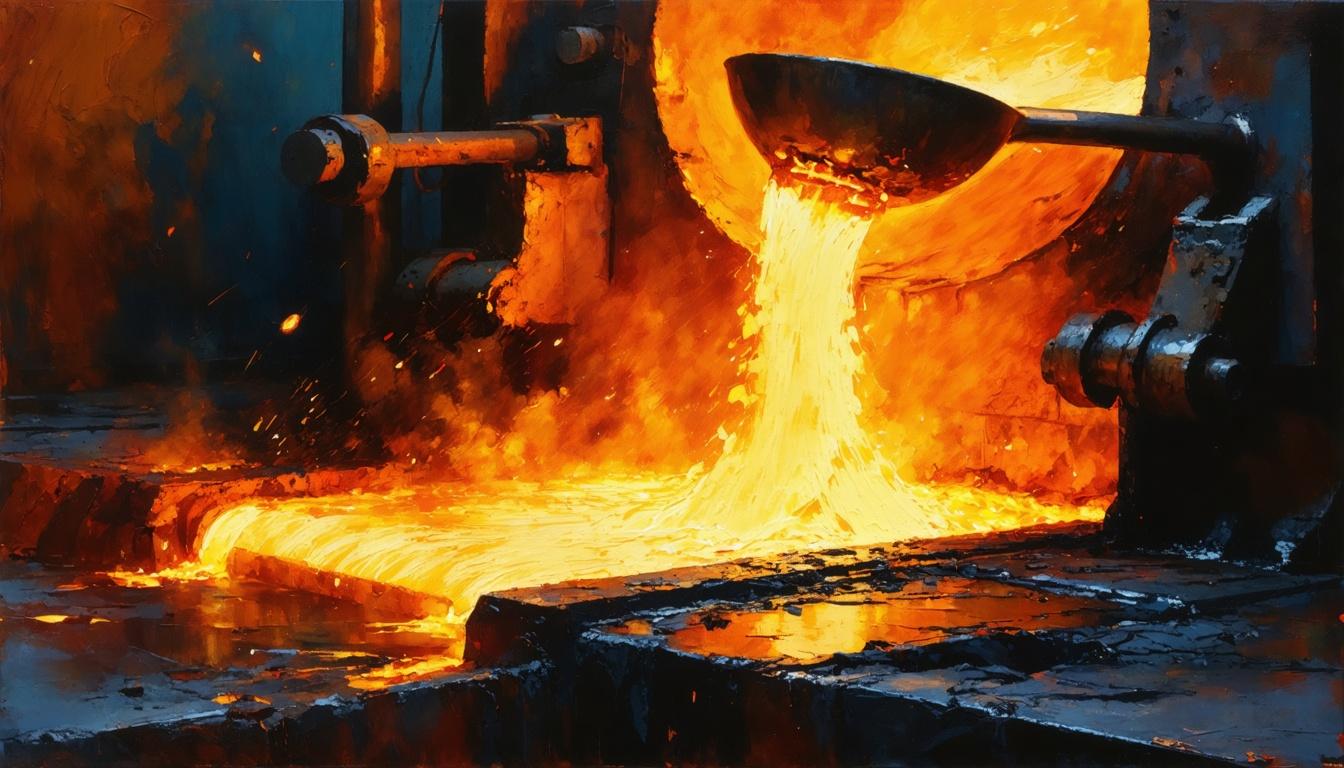
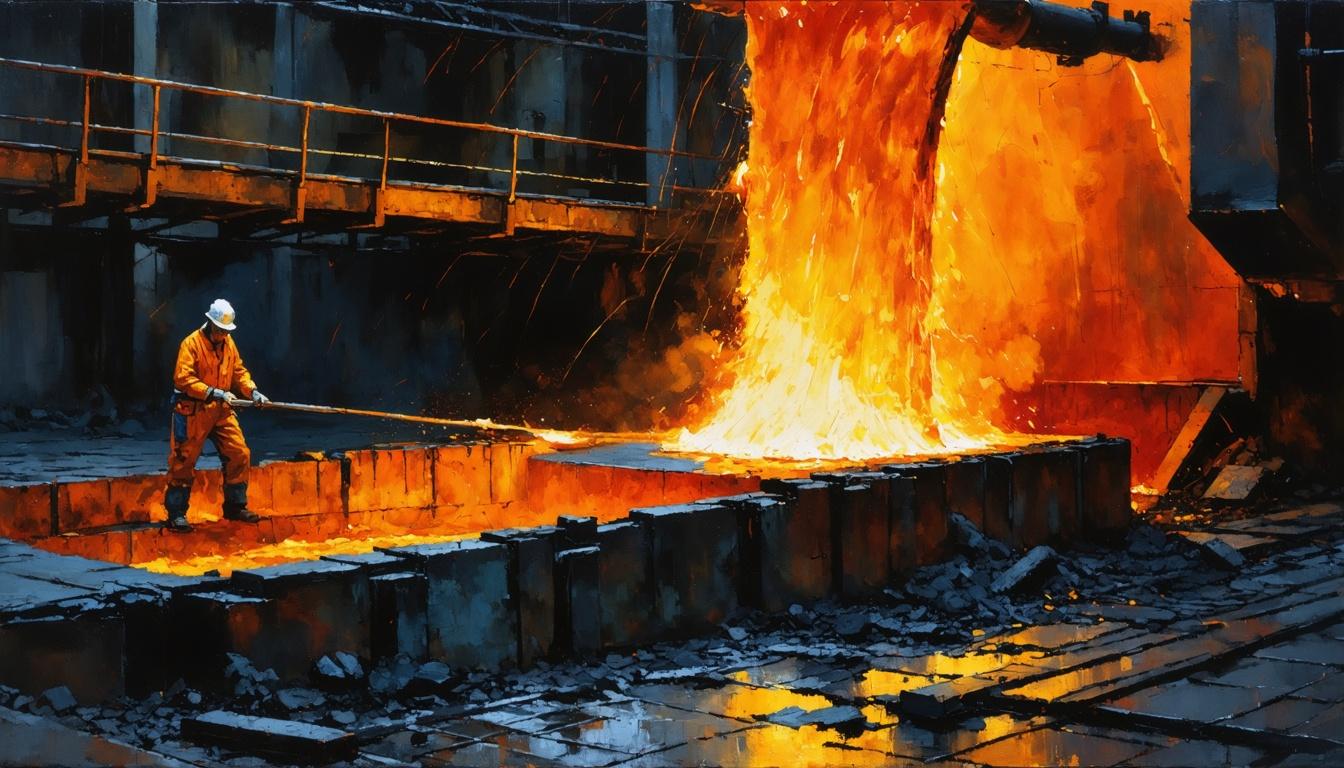
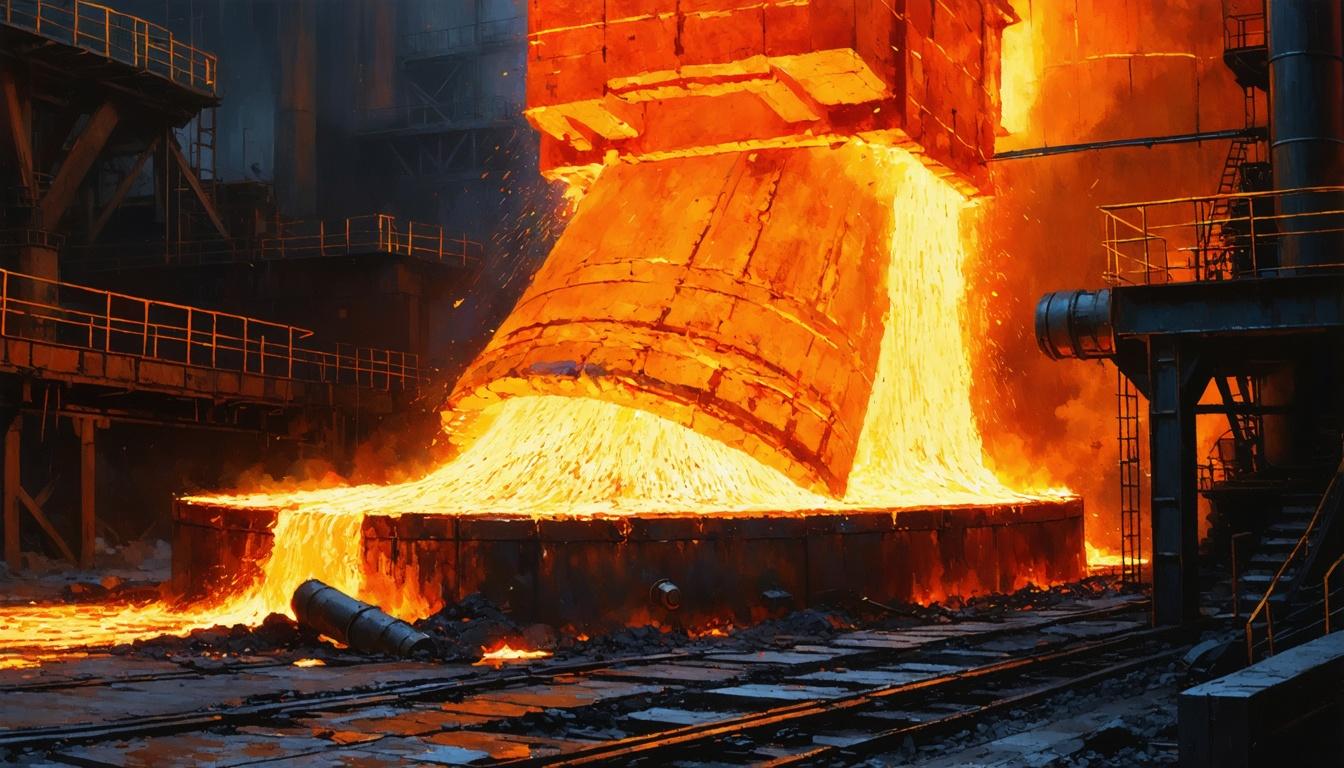
*this image is generated using AI for illustrative purposes only.
Steelcast reported a year-on-year increase in standalone net profit to ₹23.71 crore for the quarter ended June 30, 2026 (Q1FY27), up from ₹19.88 crore in the corresponding period of the previous year. The growth was primarily driven by a 17% rise in revenue from operations to ₹124.82 crore, supported by strong demand in export markets which now constitute 62% of total sales by value. On July 30, 2026, during its earnings conference call, management guided for a 25% to 30% volume growth in FY27, citing a robust order book of ₹140 crore and increasing traction in new parts development across mining, earthmoving, and construction sectors.
Financial Performance Overview
Steelcast’s top-line growth was bolstered by robust demand in its export segment, which increased its share of total revenue from 54% in Q1FY26 to 62% in Q1FY27. Domestic revenue share consequently declined from 46% to 38%. Despite higher material costs, with cost of materials consumed rising 46.4% to ₹34.2 crore, the company maintained operational efficiency. EBITDA (including other income) grew 17.37% to ₹35.24 crore, keeping the margin stable at 28.23%, up from 28.14% in Q1FY26. Net profit margin improved by 36 basis points to 19.0%. For the full fiscal year FY26, revenue from operations stood at ₹423.2 crore, a 13.3% increase over FY25’s ₹373.4 crore, while PAT rose 20.3% to ₹86.9 crore.
| Metric | Q1FY27 (₹ Cr) | Q1FY26 (₹ Cr) | YoY Change |
|---|---|---|---|
| Revenue from Operations | 124.82 | 106.69 | +17.0% |
| EBITDA (Incl. Other Income) | 35.24 | 30.02 | +17.37% |
| Net Profit | 23.71 | 19.88 | +19.26% |
Growth Drivers and Segmental Mix
Management highlighted that the projected 25% to 30% volume growth for FY27 is driven by a composite effect of increased demand from existing customers and the serialization of over 100 new parts developed in the last 18–24 months. Chairman and Managing Director Chetan Tamboli stated that approximately 20% of revenues over the next two to three years will come from these new parts.
The company has successfully diversified its sectoral dependence. While mining equipment sales accounted for 84% of revenue ten years ago, this has dropped to 54%. Currently, earthmoving contributes 36%, construction 20-21%, and other sectors make up the balance. Tamboli clarified that while exports historically fluctuated between 45% and 50%, the current quarter saw a spike to 62% by value due to specific customer orders, but the long-term mix is expected to stabilize around 50-50 between domestic and export markets.
Capital Expenditure and Expansion
The Board approved the establishment of a greenfield foundry to add 8,500 tons per annum (TPA) to its existing installed capacity of 29,000 TPA. This expansion, estimated at ₹120 crore, is funded through internal accruals and aims to be completed by March 31, 2028. The company cited increasing customer demand as the primary rationale, projecting capacity utilization to reach 90% on existing capacities by March 31, 2029, up from a projected 63% for FY27. This move aligns with Regulation 30(6) read with Para B(3) of Part A of Schedule III of the SEBI (Listing Obligations and Disclosure Requirements) Regulations, 2015.
| Parameter | Details |
|---|---|
| Investment | ₹120 crore |
| Additional Capacity | 8,500 TPA |
| Existing Capacity | 29,000 TPA |
| Funding Source | Internal accruals |
| Target Completion | March 31, 2028 |
Dividend Declaration and Outlook
Shareholders will benefit from a first interim dividend for FY27 of ₹0.45 per equity share of Re. 1 each. The record date for this dividend is fixed as August 7, 2026, with payment scheduled on or before August 28, 2026. Management expects more than 20% growth in FY27, with mining and earthmoving identified as key sectors. Ground Engaging Tools (GETs) are expected to grow from less than 1% currently to 4.5%–5% by FY29. Additionally, a new 2.4 MW hybrid power plant and a 1.4 MW solar plant are under commissioning by December 31, 2026, expected to generate annual power cost savings of approximately ₹3.6 crore.
What the Numbers Show
The simultaneous approval of significant capital expenditure and a dividend payout indicates management's confidence in future demand visibility and current liquidity. With existing capacity utilization projected at only 63% for FY27, the new facility suggests an aggressive stance on capturing market share ahead of anticipated demand spikes. The shift in revenue mix towards exports highlights Steelcast’s ability to leverage global supply chain diversification trends, particularly in the mining and earthmoving sectors. The company’s debt-free status and high Return on Capital Employed (RoCE) of 28.6% in FY26 further underscore its financial resilience. Management also confirmed that price corrections effective July 1, 2027, will pass through increased input costs, protecting margins against inflationary pressures.
Source: https://lodr-files.dhan.co/lodr-inputs/Company/INE124E01038/142b8e72-333e-4fbf-a16a-f976825e149d.pdf
Historical Stock Returns for Steelcast
| 1 Day | 5 Days | 1 Month | 6 Months | 1 Year | 5 Years |
|---|---|---|---|---|---|
| +1.45% | -1.60% | +13.35% | +24.89% | +65.71% | +490.24% |

How will the shift to a 50-50 domestic and export revenue mix impact Steelcast's exposure to currency fluctuation risks and global supply chain disruptions?
Given the ₹120 crore greenfield expansion funded by internal accruals, what is the projected timeline for the new facility to achieve break-even and contribute significantly to EBITDA?
With Ground Engaging Tools (GETs) expected to grow from <1% to 4.5-5% by FY29, what specific strategic partnerships or R&D investments are driving this diversification away from traditional mining components?
 19
19




 Access 50+ Readymade Screeners
  Use 200+ Custom Filters
  Get Full Market Insights





