Knife River defends strategy, rebuffs Starboard call for review

scanx
Reviewed by
Naman SScanX News Team
Key Highlights
  • Knife River Corp rejected Starboard Value's call for a strategic review, defending its current path.
  • Starboard targets 22% adjusted EBITDA margins by FY29 through pricing and cost improvements.
  • Company cites EDGE initiatives and vertical integration as key drivers for long-term value creation.
  • Management remains focused on margin expansion and disciplined capital allocation since 2023 spin-off.
powered bylight_fuzz_icon
51794536

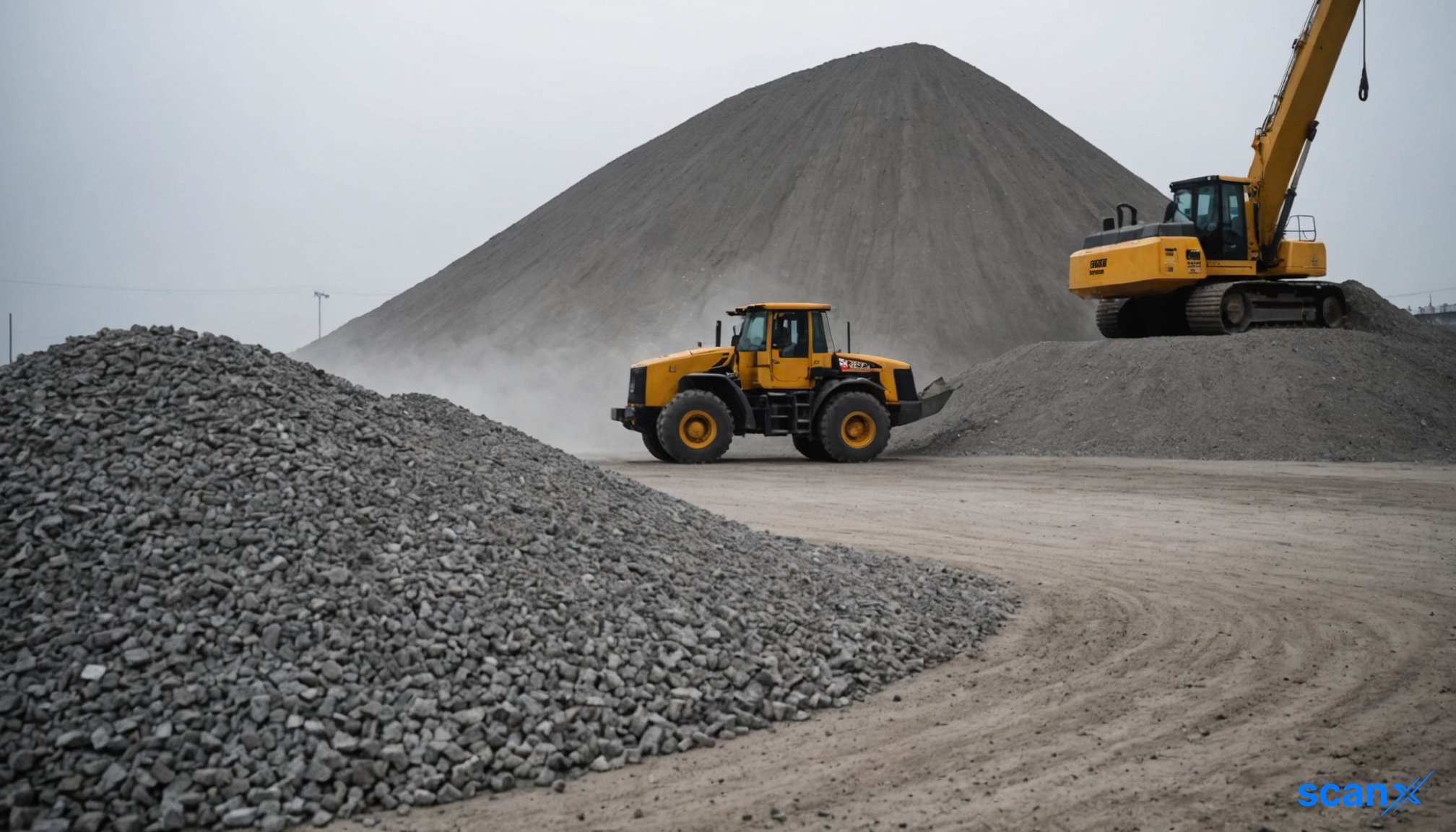
*this image is generated using AI for illustrative purposes only.

Knife River Corporation (NYSE: KNF) issued a statement reaffirming its commitment to disciplined execution and shareholder value, responding to an activist letter from Starboard Value LP urging a strategic review. The company emphasized that its existing strategy, supported by EDGE initiatives, is sufficient to drive profitable growth without structural changes.

Starboard had previously highlighted a path to 22% adjusted EBITDA margins by FY29 through improved aggregates pricing and cost reductions, arguing that Knife River has fallen behind peers in margin performance. The activist investor contended that the company's scarce and strategically valuable assets have not translated into competitive financial results.

In its response, Knife River stated that the Board and management welcome constructive dialogue but remain confident in their experienced leadership. The company noted it first learned of Starboard’s investment on September 22, 2026, and will engage with them to better understand their views. However, it firmly defended its vertically integrated platform, which combines aggregates, ready-mix concrete, asphalt, liquid asphalt, and contracting services as central to creating durable long-term value.

Strategic alternatives proposed by Starboard

Starboard delivered a letter to President and Chief Executive Officer Brian Gray, with a copy to the Board of Directors, arguing that Knife River should evaluate strategic alternatives given the scarcity of its assets. The firm outlined a clear pathway to achieving higher profitability levels by addressing pricing structures in the aggregates segment and implementing meaningful cost reductions.

Company response on operational discipline

Knife River asserted that since becoming an independent public company in 2023, it has executed a clear strategy focused on optimizing pricing, improving operational performance, and capturing efficiencies. The company remains focused on margin expansion, operational excellence, disciplined capital allocation, and profitable growth.

Entity Position Key Argument
Starboard Value LP Activist Investor Urges strategic review; targets 22% EBITDA by FY29 via pricing/costs.
Knife River Corp Management/Board Defends current strategy; cites EDGE initiatives and vertical integration.

What the numbers show

The core divergence lies between Knife River’s asset quality and its realized financial performance. While Starboard identifies assets as scarce and strategically valuable, they argue these have not translated into competitive margins relative to industry peers. The proposal to reach a 22% adjusted EBITDA margin by FY29 suggests that current operational efficiencies are insufficient to unlock the full value of the underlying assets without structural or strategic changes. Knife River’s response indicates a belief that internal execution, rather than external restructuring, is the correct lever for margin improvement.

Disclaimer: This article is AI-generated using data from ViewTrade. ScanX is not liable for any inaccuracies.

How might Starboard Value's involvement influence Knife River's capital allocation strategy, particularly regarding share buybacks or dividend increases, in the upcoming quarters?

What specific operational milestones within the EDGE initiatives must Knife River achieve in the next 12 months to effectively counter Starboard's argument that internal execution is insufficient?

Could the pressure from activist investors accelerate the potential divestiture of non-core contracting services to focus more exclusively on the higher-margin aggregates segment?

like15
dislike

Knife River Q2FY26 Results: Revenue rises 13%, adjusted EBITDA up 7%

scanx
Reviewed by
Naman SScanX News Team
Key Highlights
  • Revenue grew 13% YoY in Q2 2026, driven by record backlog conversion and double-digit volume growth across materials segments
  • Normalized adjusted EBITDA rose 7% YoY, though as-reported figures were flat due to energy costs and project timing delays
  • Aggregates, ready-mix, and asphalt all posted double-digit gross profit improvements alongside strong volume increases
  • Full-year revenue guidance raised to $3.4-$3.6 billion range, while adjusted EBITDA guidance remains at $520-$560 million
powered bylight_fuzz_icon
51191772

*this image is generated using AI for illustrative purposes only.

Knife River Holding (NYSE: KNF) reported a 13% year-over-year revenue increase for the second quarter of 2026, driven by strong operational execution and the conversion of a record backlog. The company raised its full-year revenue guidance to a range of $3.4 billion to $3.6 billion while maintaining its adjusted EBITDA outlook.

Financial Performance

Adjusted EBITDA increased by 7% year-over-year on a like-for-like basis, excluding gains from asset sales in both periods. On an as-reported basis, adjusted EBITDA remained flat due to higher energy costs, project timing shifts, and market dynamics affecting contracting services margins.

Metric Q2 2026 Change
Revenue Not specified +13% YoY
Adjusted EBITDA (normalized) Not specified +7% YoY
Aggregate Volume Growth Not specified +14% YoY
Ready-Mix Volume Growth Not specified +15% YoY
Asphalt Volume Growth Not specified +24% YoY

Segment Highlights

The materials product lines demonstrated double-digit volume growth across all segments. Aggregates saw a 14% volume increase, supported by internal demand from downstream product lines and third-party sales. Ready-mix volumes grew 15%, aided by the Texcrete acquisition, while asphalt volumes surged 24% due to increased paving activity in contracting services.

Gross profit improved double digits for aggregates, ready-mix, and asphalt. Aggregate pricing rose 8% on a product mix-adjusted basis, despite a reported increase of only 3% due to the sale of lower-priced natural fines. Ready-mix gross margins expanded by 80 basis points, and asphalt gross margins improved by 50 basis points.

What the Numbers Show

A significant divergence exists between reported aggregate pricing (3% increase) and product mix-adjusted pricing (8% increase). This gap is primarily attributed to the sale of 630,000 tons of lower-priced natural fines, which diluted consolidated pricing metrics. This indicates that underlying price optimization efforts are succeeding, but volume mix shifts are masking the true rate of price realization in reported figures.

Operational Headwinds

Management identified three primary external factors impacting as-reported adjusted EBITDA:

  • Higher diesel prices drove an approximate $10 million cost increase, with only $4 million recovered through fuel surcharges in the quarter.
  • Project timing shifts related to adverse weather and construction schedules impacted earnings by approximately $10 million.
  • Market dynamics, specifically the type and timing of work in contracting services, reduced adjusted EBITDA by approximately $8 million compared to larger general contracting jobs performed in the prior year.

Outlook and Strategy

The company expects to recover additional energy costs through escalators on Department of Transportation contracts in the third quarter. Management anticipates diesel costs will remain elevated but expects to recover the majority of these increases. Strategic initiatives include price optimization, cost control measures, and acquisition-led growth, with 16 successful integrations completed since 2023. The firm remains committed to a disciplined capital allocation strategy, investing in both organic growth and acquisitions.

Disclaimer: This article is AI-generated using data from ViewTrade. ScanX is not liable for any inaccuracies.

How will the expected recovery of diesel costs via DOT contract escalators in Q3 impact the margin trajectory for the contracting services segment?

Given the 24% surge in asphalt volumes, is Knife River positioned to sustain this growth rate as paving seasons normalize in subsequent quarters?

To what extent might the integration of the Texcrete acquisition continue to drive ready-mix volume and margin expansion beyond the initial Q2 bump?

like17
dislike

More News on Knife River