

Stantec secures US$150M coastal resilience contract for Charleston


Stantec and Johnson, Mirmiran and Thompson (JMT) won a US$150 million joint venture contract to design coastal resilience infrastructure for Charleston, part of a US$1.2 billion program. The project involves eight miles of integrated defenses, including storm surge barriers and nature-based features, leveraging Stantec's prior experience in major U.S. coastal projects.



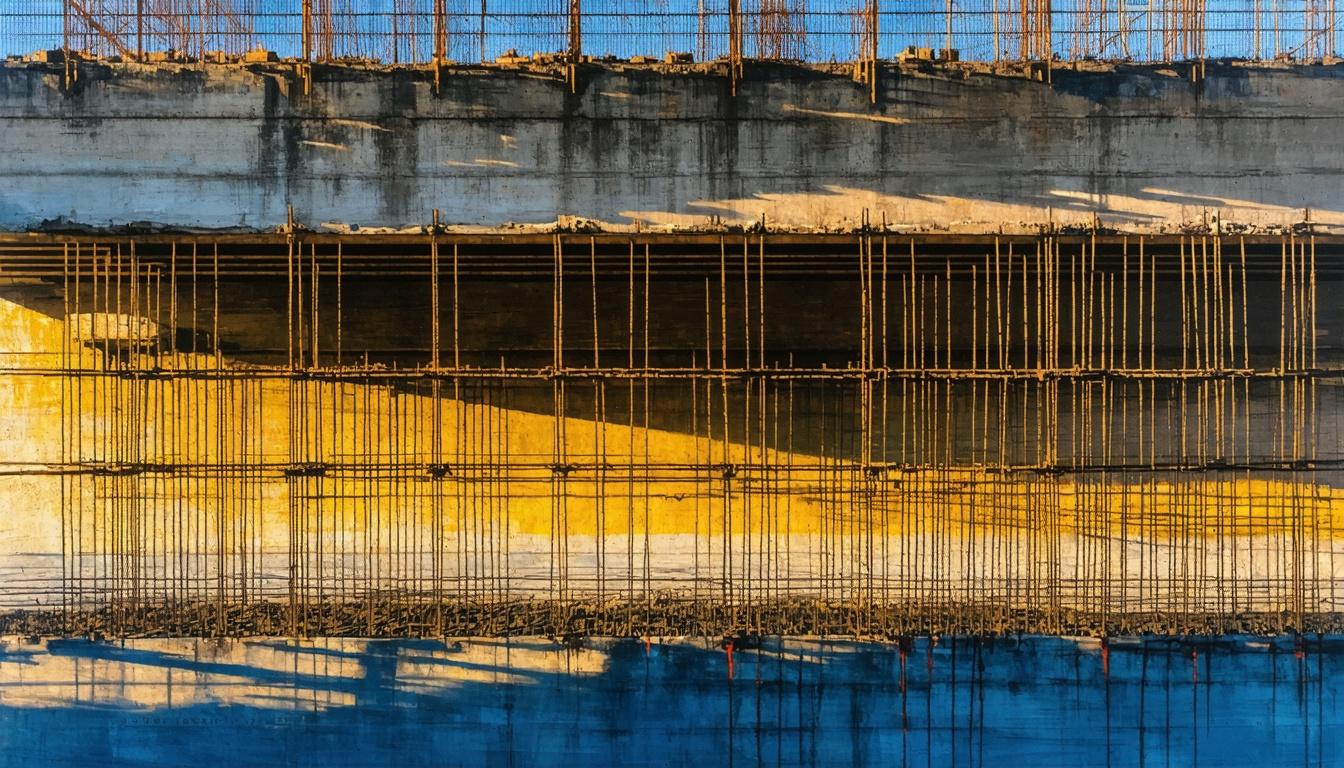
*this image is generated using AI for illustrative purposes only.
Stantec, in partnership with Johnson, Mirmiran and Thompson (JMT), has been awarded a US$150 million joint venture contract by the U.S. Army Corps of Engineers, Charleston District (USACE) to design critical infrastructure for coastal storm risk management on the Charleston peninsula. Announced on July 30, 2026, the award strengthens Stantec’s position in major coastal metropolitan markets and addresses increasing vulnerability to storm surges in one of the United States’ historic communities.
The design contract is part of a broader program valued at US$1.2 billion. The team will lead the design of more than eight miles of integrated coastal infrastructure across Charleston’s waterfront. This multi-purpose system aims to protect public safety, preserve local history, and support environmental function for generations to come.
Project Scope and Design Elements
The proposed infrastructure combines traditional engineering with nature-based features to enhance long-term system performance. Key components include:
| Infrastructure Component | Description |
|---|---|
| Storm Surge Barriers | Integrated defenses against high water levels |
| Floodwalls and Levees | Structural barriers along the waterfront |
| Pump Stations | Water management facilities |
| Gate Structures | Access points for pedestrians, vehicles, and rail |
| Nature-Based Features | Living shorelines and oyster reefs |
Chris Williams, senior vice president for Stantec’s US Federal Program, stated that the firm’s Water, Infrastructure, and Environmental Services teams will combine their expertise to strengthen resilience while respecting the region’s environmental and cultural fabric. Chris Mack, director of Resilience and Coastal Solutions at JMT, noted that the project pairs visionary local leadership with federal investment to advance sustainability initiatives across the peninsula.
Strategic Context
Charleston is home to more than 40,000 full-time residents and nationally significant historic landmarks. The city faces increasing vulnerability from storm surges, making this defense system critical for protecting life and infrastructure. The project underscores the growing demand for resilient infrastructure in coastal regions facing climate-related risks.
Stantec brings proven experience from multiple major U.S. coastal storm risk management programs. The firm served as the designer of record for three storm drainage pump stations, floodwalls, levees, and gates for USACE’s Permanent Canal Closures and Pumps Project in New Orleans. Additionally, Stantec provided adaptive designs for the Battery’s waterfront in New York City and engineered a 26.7-mile coastal levee and floodwall system near Galveston, Texas, following Hurricane Harvey.
What the Numbers Show
The US$150 million design contract represents approximately 12.5% of the total US$1.2 billion program value. This structure highlights the significant upfront investment required for complex coastal resilience planning before construction phases begin. The integration of nature-based features alongside traditional hard infrastructure suggests a shift toward hybrid solutions that balance immediate protection needs with long-term environmental sustainability, potentially reducing lifecycle maintenance costs compared to purely structural approaches.

How might the success of this hybrid nature-based and structural approach in Charleston influence future USACE procurement strategies for other coastal cities?
What are the projected timelines for the construction phase following the design completion, and how could potential supply chain disruptions impact the $1.2 billion budget?
Will the integration of living shorelines and oyster reefs in Charleston set a new regulatory precedent for environmental compliance in federally funded flood defense projects?
 17
17







 Access 50+ Readymade Screeners
  Use 200+ Custom Filters
  Get Full Market Insights





