

SpaceX-Tesla merger could create $5 trillion giant, markets say


A potential merger between SpaceX and Tesla Inc. could form a $5 trillion giant to rival Nvidia Corp. SpaceX's valuation has hit $2.6 trillion post-IPO, making an all-stock acquisition of Tesla feasible. Prediction markets see a 45-55% chance of a merger by May 2027, though regulatory hurdles regarding national security and antitrust issues persist.

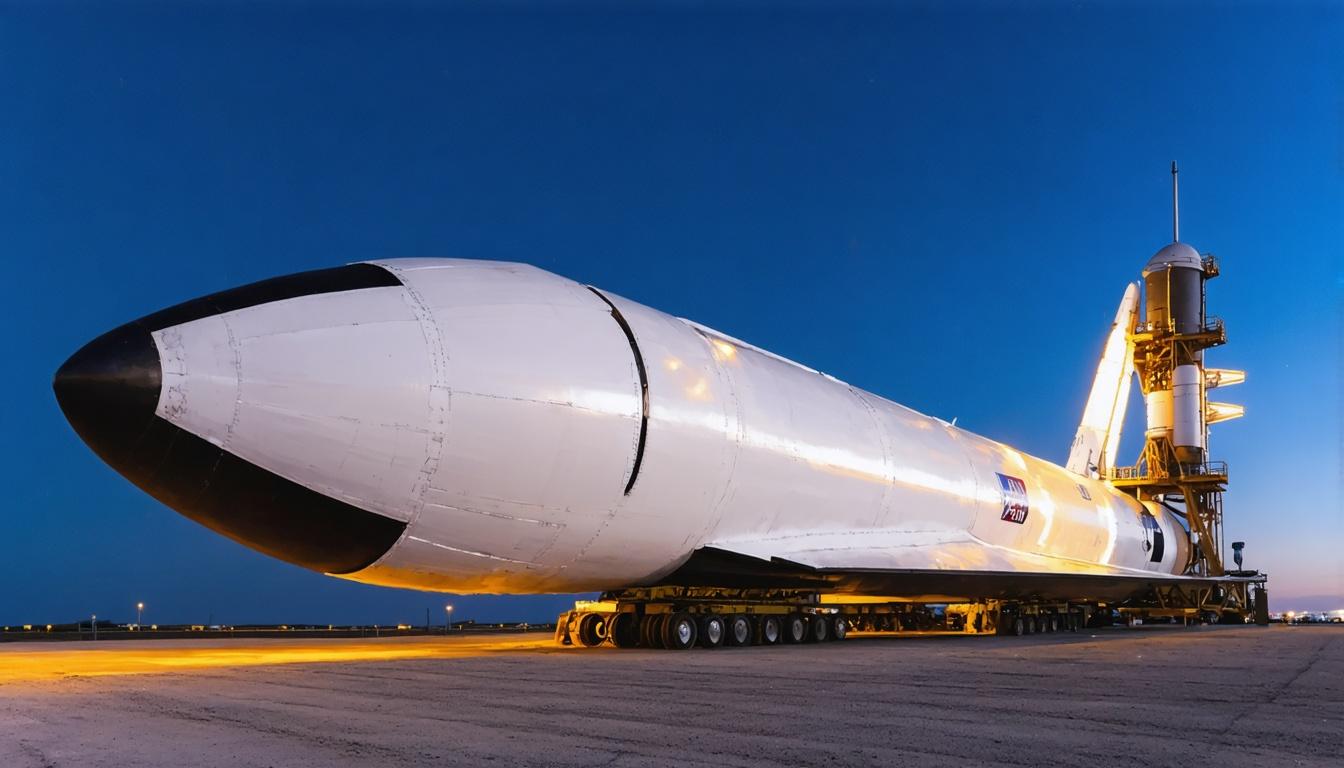

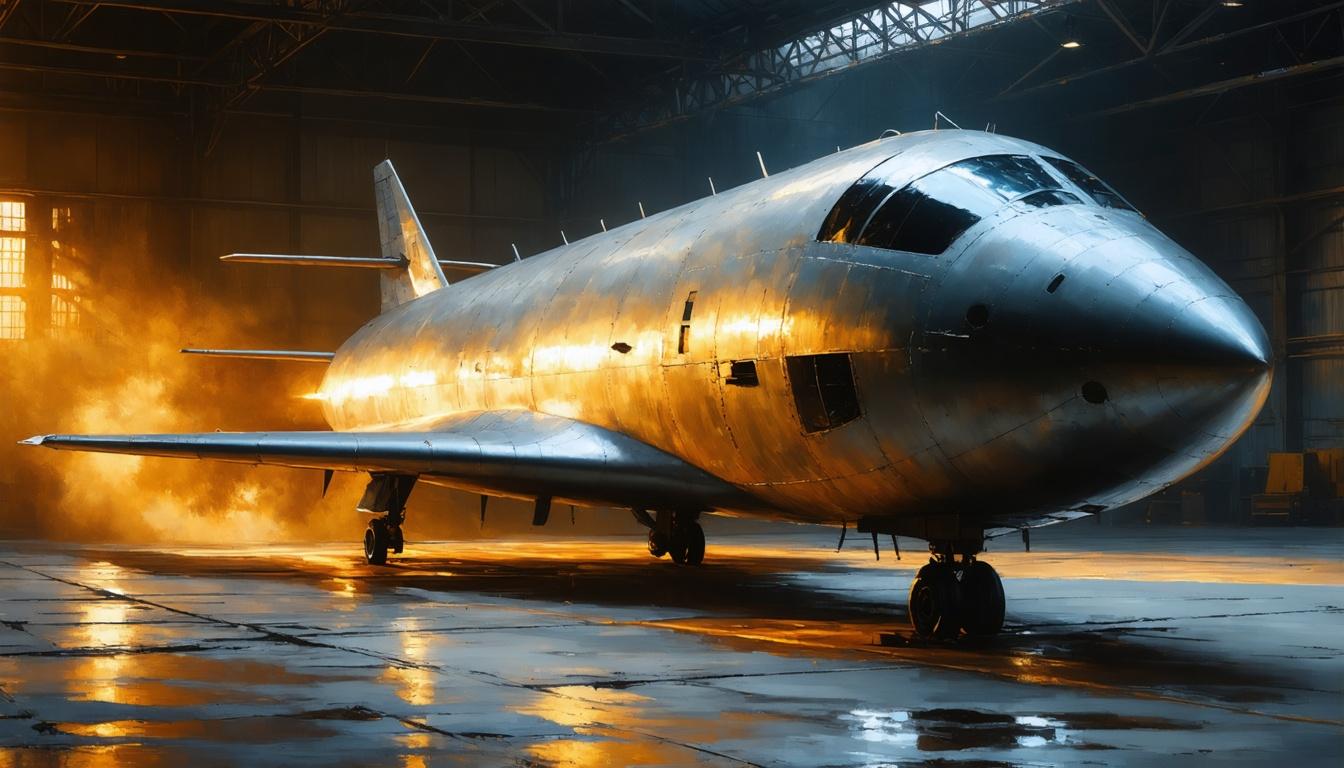
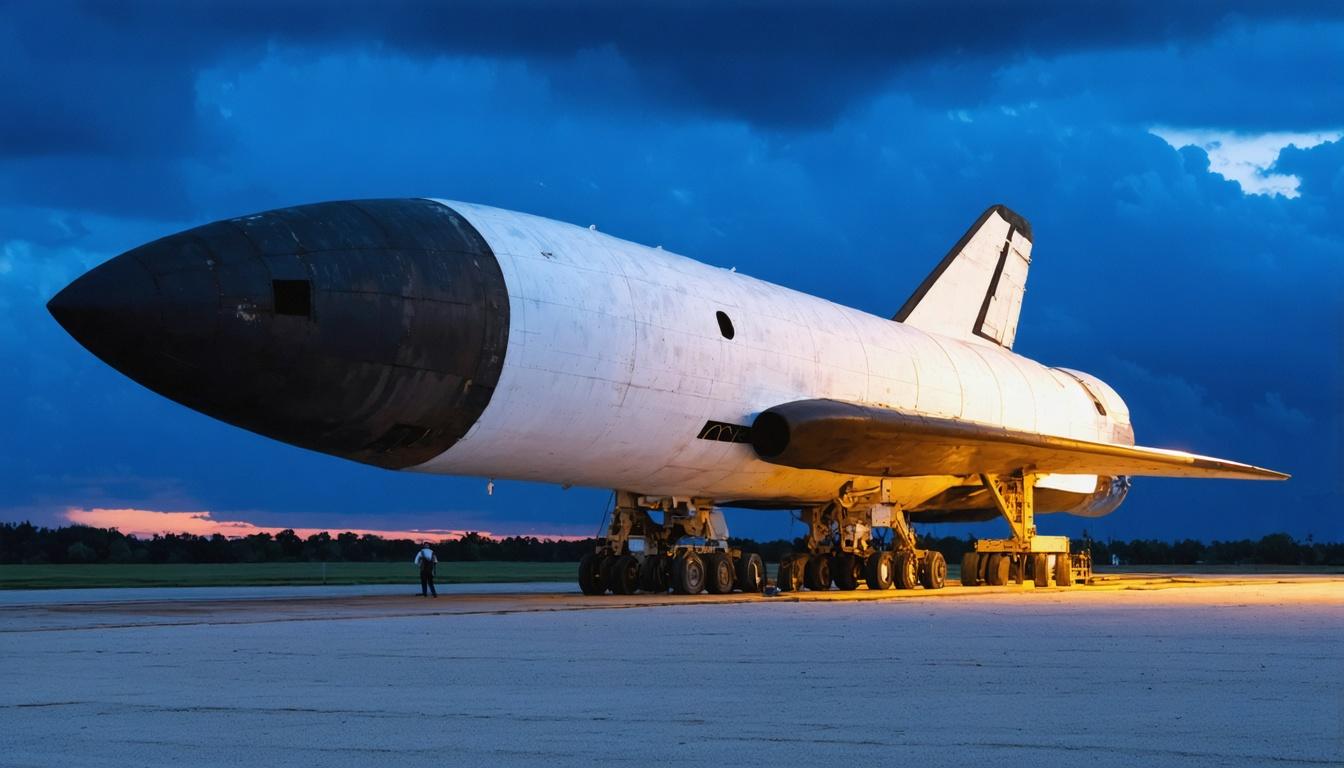
*this image is generated using AI for illustrative purposes only.
A potential merger between SpaceX and Tesla Inc. could create a $5 trillion entity, rivaling Nvidia Corp. for the title of the world's most valuable company. Prediction markets are increasingly pricing in the possibility of such a transaction, driven by SpaceX's surging valuation and strategic synergies involving artificial intelligence and robotics.
SpaceX has surged nearly 50% to roughly $2.6 trillion following its recent initial public offering, significantly outpacing Tesla's $1.5 trillion market capitalization. Bloomberg columnist Liam Denning suggests that the widening valuation gap makes a merger more attractive, as SpaceX could absorb Tesla with fewer newly issued shares. An all-stock deal offering Tesla a one-third premium would value the automaker north of $2 trillion, potentially leaving Elon Musk with about 74% of the voting rights in the combined entity.
The financial mechanics of the merger are complex. SpaceX would pay approximately 138 times forward EBITDA for Tesla, a company currently described as cash-burning. Outside investors in SpaceX would see their stake diluted from roughly half the company to under a third. Morningstar has pegged SpaceX's fair value at $780 billion, significantly less than its current trading price on a 4% float.
Strategic Synergies and Risks
Beyond financial engineering, the merger is viewed through the lens of technology integration. SpaceX has already absorbed xAI at a $250 billion valuation and agreed to buy coding startup Cursor for $60 billion. Incorporating Tesla would add real-world robotics data from Full Self-Driving and the Optimus robot to SpaceX's existing Starlink orbital footprint.
For Nvidia, the primary threat lies in the vertical integration of these companies. Tesla, xAI, and SpaceX are major chip purchasers, but Musk has proposed building his own semiconductor fabrication plant, dubbed Terafab. This facility, estimated to cost roughly $25 billion, aims to produce Tesla's AI5 chips and custom silicon for satellites, reducing reliance on external suppliers.
Market Odds and Regulatory Hurdles
Prediction markets reflect growing speculation about the merger. Polymarket indicates a 69% chance that Nvidia retains its crown as the largest company by the end of 2026. Meanwhile, Kalshi traders price the probability of a SpaceX-Tesla merger before May 2027 between 45% and 55%, a rise from the mid-20s earlier in the year.
Regulatory approval remains a significant barrier. SpaceX operates as a national security asset with classified satellite work, while Tesla possesses deep manufacturing and consumer exposure in China. Regulators may hesitate to place defense infrastructure and a global automaker under a single corporate umbrella due to antitrust and national security concerns.

How might antitrust regulators reconcile the national security necessity of SpaceX with the competitive market concerns of merging with a global automaker?
Could the proposed Terafab fabrication plant realistically meet the silicon demands of the combined entity without severe supply chain bottlenecks?
What specific mechanisms would be required to integrate Tesla's terrestrial robotics data with SpaceX's orbital satellite network?
 17
17



 Create Custom Screeners
  Access 200+ Pre-built Filters
  Use 50+ Readymade Screener





