

Maruti Suzuki India production jumps to 248,845 units in July 2026


Maruti Suzuki India produced 248,845 vehicles in July 2026, up from 187,073 in July 2025. Passenger cars totaled 244,445 units, while utility vehicles reached 102,787 units. The compact segment led passenger car output with 113,067 units.


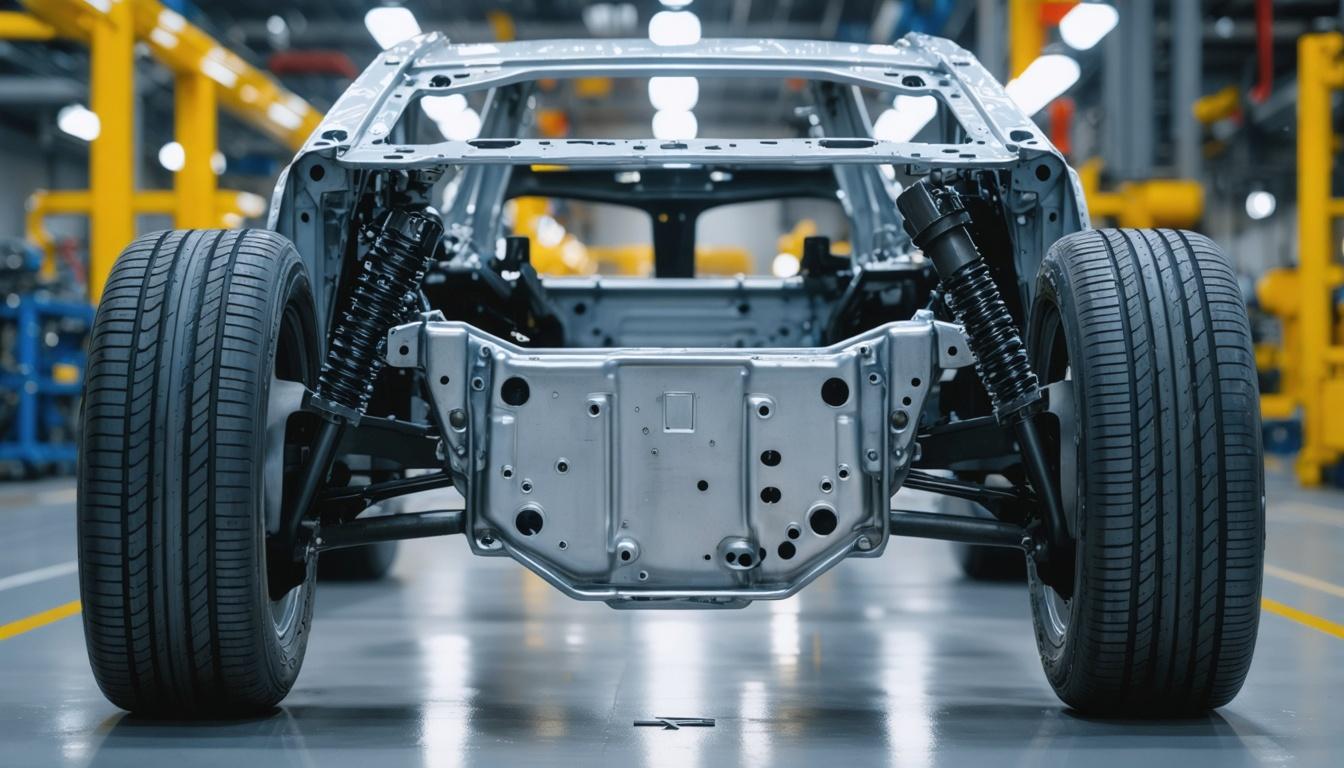
*this image is generated using AI for illustrative purposes only.
Maruti Suzuki India Limited maruti suzuki reported a substantial increase in production volumes for July 2026, signaling robust operational momentum. The company manufactured a grand total of 248,845 vehicles during the month, a significant rise from the 187,073 units produced in July 2025. This growth reflects strong demand across its core segments, with both passenger cars and utility vehicles contributing materially to the overall output expansion.
The filing was submitted to the National Stock Exchange of India Limited and BSE Limited on August 1, 2026, by Sanjeev Grover, Executive Officer and Company Secretary. The data covers production figures for all vehicle categories manufactured by the company during the specified period.
Production Breakdown by Segment
The surge in total output was broad-based, with notable increases in both passenger cars and utility vehicles. Passenger car production reached 244,445 units in July 2026, up from 183,285 units in the previous year. Utility vehicles saw an even sharper percentage increase, rising from 70,241 units to 102,787 units.
| Category: Sub-segment | Models | Production in July 2026 | Production in July 2025 |
|---|---|---|---|
| A: Mini | Alto, S-Presso | 13,964 | 11,484 |
| A: Compact | Baleno, Celerio, Dzire, Ignis, Swift, WagonR, OEM Model | 113,067 | 87,950 |
| A: Passenger Cars | 127,031 | 99,434 | |
| B: Utility Vehicles | Brezza, Ertiga, e Vitara, Fronx, Jimny, Victoris, XL6, OEM Models | 102,787 | 70,241 |
| C: Vans | Eeco | 14,627 | 13,610 |
| Total Passenger Vehicles | 244,445 | 183,285 | |
| Light Commercial Vehicles | Super Carry | 4,400 | 3,788 |
| Grand Total | 248,845 | 187,073 |
Within the passenger car segment, the compact category remained the largest contributor, accounting for 113,067 units produced in July 2026, compared to 87,950 units in July 2025. This segment includes key models such as the Baleno, Dzire, Swift, and WagonR. The mini segment also saw growth, with production of the Alto and S-Presso rising to 13,964 units from 11,484 units year-on-year.
Utility vehicles demonstrated the strongest relative growth, with production jumping by over 32,000 units compared to the previous year. Models such as the Brezza, Fronx, and XL6 contributed to this segment's expansion. Van production, led by the Eeco, increased modestly to 14,627 units from 13,610 units. Light commercial vehicle production, represented solely by the Super Carry, also rose to 4,400 units from 3,788 units.
What the Numbers Show
The data indicates a clear acceleration in manufacturing activity across all major segments. The compact passenger car segment continues to drive volume leadership, while the utility vehicle segment shows the highest momentum, suggesting shifting consumer preference or successful new model introductions in that category. The consistent growth across mini, compact, and utility segments points to healthy demand absorption capacity within the Indian market for July 2026.
Historical Stock Returns for Maruti Suzuki
| 1 Day | 5 Days | 1 Month | 6 Months | 1 Year | 5 Years |
|---|---|---|---|---|---|
| +1.71% | +0.30% | -9.66% | -16.04% | -28.68% | +53.70% |

Will Maruti Suzuki need to expand its manufacturing capacity or shift to multi-shift operations to sustain this 33% year-on-year production surge?
How might the sharp increase in utility vehicle production impact the company's average selling price and overall profit margins in the upcoming quarters?
Are there specific supply chain constraints, particularly regarding semiconductor availability, that could threaten this accelerated production pace in subsequent months?
 17
17






 Create Custom Screeners
  Access 200+ Pre-built Filters
  Use 50+ Readymade Screener





