

SK Hynix, Intel explore US memory chip production deal


- SK Hynix and Intel are exploring a deal for US memory chip production
- Potential structures include leasing Intel's Ohio facility or forming a joint venture
- Intel shares rose 5.03% while SK Hynix gained 3.49% in premarket trading
- Deal faces regulatory review under South Korea's Industrial Technology Protection Act

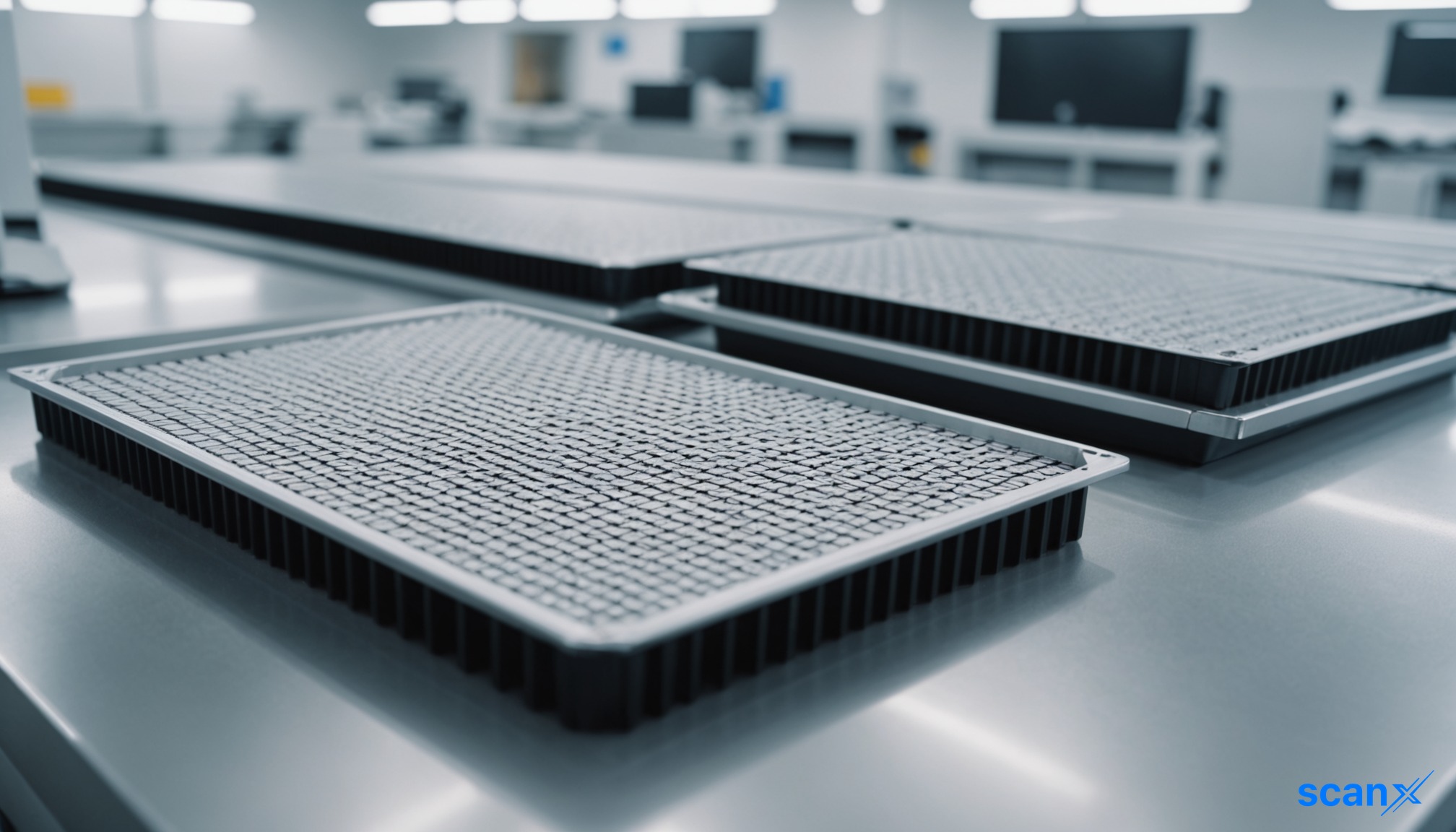

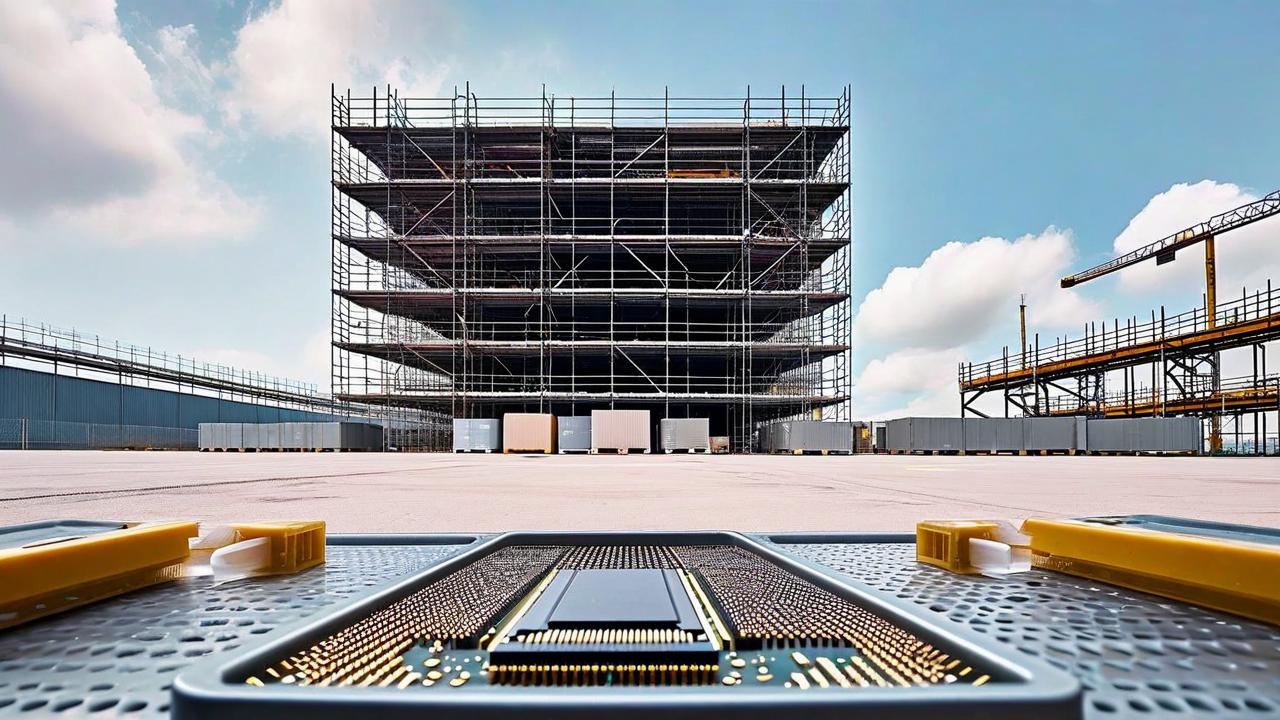
*this image is generated using AI for illustrative purposes only.
South Korea's SK Hynix is in discussions with Intel regarding potential memory chip production in the United States. The company confirmed no specific plans have been finalized, describing the talks as exploratory.
The discussions aim to strengthen SK Hynix's global competitiveness amid surging demand for artificial intelligence infrastructure. A deal would mark the South Korean firm's first domestic US memory production, offering Intel a way to utilize capacity at its delayed Ohio facility.
Potential Deal Structures
Sources indicate two primary scenarios under consideration:
- SK Hynix could lease part of Intel's long-planned chipmaking facility in Ohio.
- Alternatively, the companies might form a joint venture with major cloud firms to secure long-term memory chip supplies.
Market Reaction
Shares of both companies rose during premarket trading on Wednesday. Intel shares were up 5.03% at $102.03, while SK Hynix shares gained 3.49% to $180.93.
Regulatory and Political Context
A finalized agreement would align with efforts to bolster domestic semiconductor manufacturing capabilities. However, regulatory hurdles remain. South Korea's trade ministry indicated that production involving "national core technology" would be subject to review under the Industrial Technology Protection Act.
Recent Developments
In July, SK Hynix denied plans to acquire Intel’s Ohio semiconductor campus, stating it had "no plans for an acquisition." Intel affirmed its commitment to Ohio, noting operations have been pushed to 2030-31. The project, initially targeting production in 2025, now expects completion of two factories in 2030 and 2031.
Intel recently appointed former SK Hynix CEO Seok-Hee Lee as executive vice president of its contract chip-manufacturing business, overseeing advanced packaging.

How might the integration of SK Hynix's memory production into Intel's Ohio facility impact the projected 2030-31 timeline for the plant's operational readiness?
What specific regulatory challenges could arise under South Korea's Industrial Technology Protection Act if SK Hynix leases US-based manufacturing capacity for advanced AI chips?
Could a joint venture with major cloud providers alter the competitive landscape between SK Hynix, Samsung, and Micron in the high-bandwidth memory (HBM) market?
 19
19









 Access Market Heat-map & Insights
  Create, Save & Share your Screener
  Use 200+ Screening Filters





