

Ritesh International Q2FY27 Results: Net profit up 190% YoY to ₹307.68 lakh


- Net profit for Q2FY27 rose 190% YoY to ₹307.68 lakh
- Revenue from operations grew 81.6% YoY to ₹7,034.31 lakh
- Half-year net profit increased to ₹482.08 lakh from ₹143.62 lakh
- Inventories surged to ₹2,719.79 lakh, impacting operating cash flow

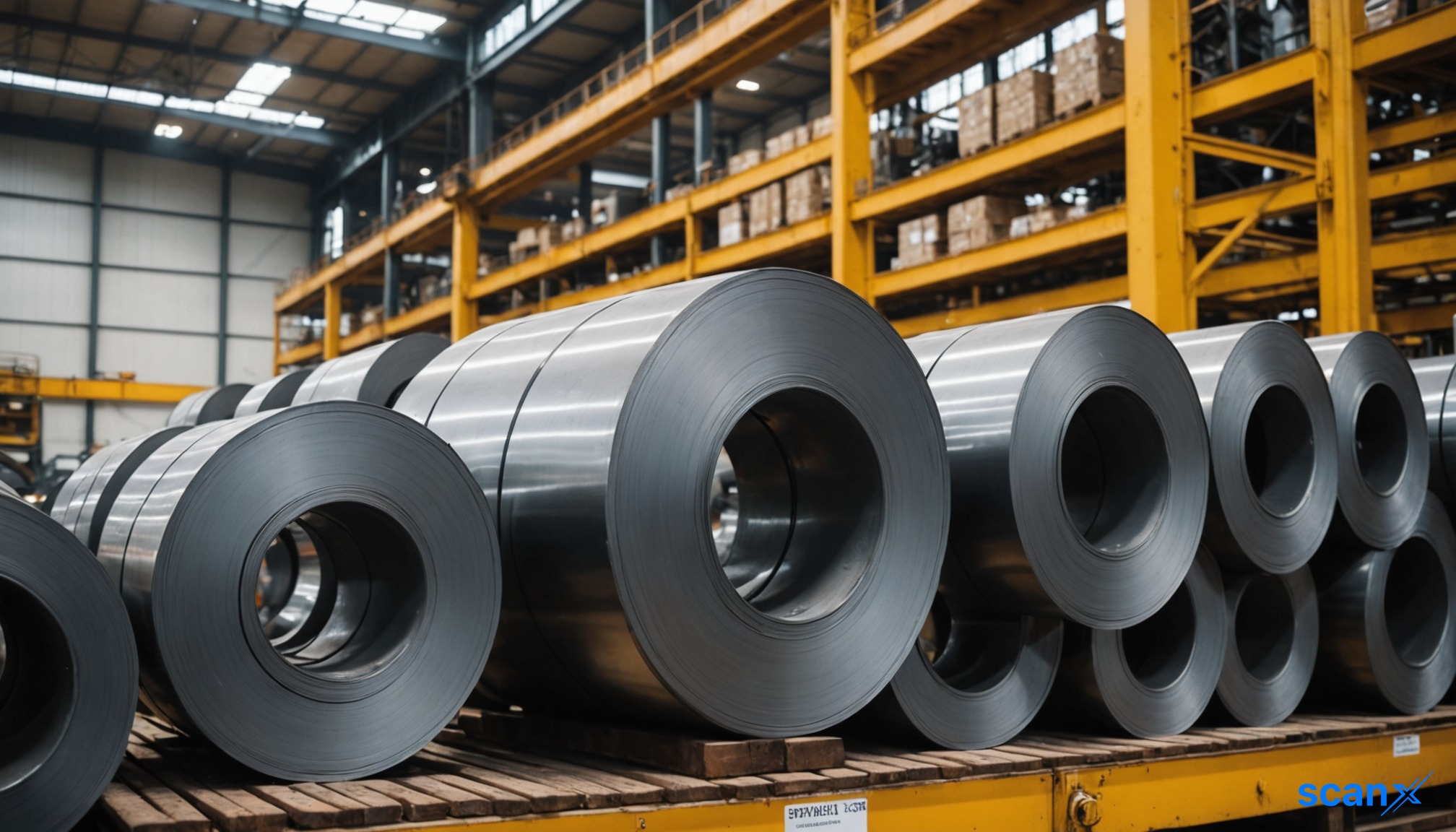

*this image is generated using AI for illustrative purposes only.
Ritesh International Ltd reported a sharp increase in profitability for the second quarter of fiscal year 2027, with net profit rising 190% year-on-year to ₹307.68 lakh. The company's revenue from operations also saw significant growth, expanding 81.6% YoY to ₹7,034.31 lakh.
The Board of Directors approved the unaudited financial results for the quarter and half-year ended September 30, 2026, in a meeting held on October 21, 2026. The results were reviewed by Ashok Shashi & Co., the statutory auditors of the company.
Financial Performance Highlights
For the quarter ended September 30, 2026, the company demonstrated robust top-line growth compared to the corresponding period in the previous fiscal year. Total revenue stood at ₹7,032.86 lakh, driven primarily by operational income.
| Metric | Q2FY27 | Q2FY26 | Change |
|---|---|---|---|
| Revenue from Operations | ₹7,034.31 lakh | ₹3,874.15 lakh | +81.6% |
| Total Income | ₹7,032.86 lakh | ₹3,874.89 lakh | +81.5% |
| Profit Before Tax | ₹408.68 lakh | ₹133.57 lakh | +205.9% |
| Net Profit | ₹307.68 lakh | ₹106.07 lakh | +190.1% |
| EPS (Basic) | ₹3.28 | ₹1.24 | +164.5% |
On a half-year basis, revenue from operations for H1FY27 reached ₹12,088.31 lakh, marking a 63.8% increase over the ₹7,378.88 lakh recorded in H1FY26. The net profit for the six-month period rose to ₹482.08 lakh from ₹143.62 lakh in the same period last year.
What the Numbers Show
A key observation in the Q2FY27 results is the significant expansion in operating leverage. While revenue grew by 81.6%, the total expenses increased by only 78.1% to ₹6,624.18 lakh. This disparity suggests that the company managed its cost structure efficiently relative to its sales growth. Specifically, employee benefits expense rose modestly by 12.1% YoY to ₹128.41 lakh, while other expenses increased by 110.6% to ₹1,079.61 lakh, indicating that the surge in costs was concentrated in non-personnel areas, possibly linked to the higher volume of operations or logistics.
Additionally, the cash flow statement reveals a net outflow of ₹91.49 lakh during the half-year period, despite positive operating cash flows of ₹64.75 lakh. This was largely due to investing activities consuming ₹204.84 lakh, primarily for the acquisition of property, plant, and equipment. The increase in inventories by ₹962.82 lakh also weighed on operating cash generation, suggesting a strategic build-up of stock ahead of potential demand or seasonal peaks.
Balance Sheet and Capital Structure
The company's balance sheet reflects an expansion in assets and liabilities consistent with its growth trajectory. Total assets grew to ₹6,212.96 lakh as of September 30, 2026, up from ₹4,792.06 lakh at the end of FY26. Current assets surged to ₹3,888.49 lakh, driven largely by a substantial increase in inventories to ₹2,719.79 lakh.
Total equity increased to ₹3,478.69 lakh, supported by retained earnings. However, current borrowings rose significantly to ₹1,383.94 lakh from ₹740.62 lakh at the end of the previous financial year, indicating an increased reliance on short-term debt to fund working capital requirements and inventory accumulation.
Historical Stock Returns for Ritesh International
| 1 Day | 5 Days | 1 Month | 6 Months | 1 Year | 5 Years |
|---|---|---|---|---|---|
| +1.47% | +10.93% | +7.57% | +44.32% | +84.68% | +204.19% |

How will the 110.6% surge in 'other expenses' impact Ritesh International's operating margins in the second half of FY27?
What specific market demand or seasonal factors are driving the ₹962.82 lakh inventory build-up, and is this stock expected to convert to sales in Q3?
Can the company manage its rising short-term borrowings of ₹1,383.94 lakh without diluting equity or increasing interest costs significantly?
 19









 Create Custom Screeners
 Access 200+ Pre-built Filters
 Use 50+ Readymade Screener





