

Rishi Laser FY26 Results: Net profit falls 55% to ₹3.67 crore


- Net profit fell 55.48% YoY to ₹3.67 crore despite 7.23% revenue growth
- EBITDA margin contracted to 8.70% from 9.09% due to higher employee costs
- New Malur plant commissioning drove increased finance and depreciation charges
- Construction equipment segment contributed 53.33% of total revenue
- Debt-to-equity ratio remained conservative at 0.29x

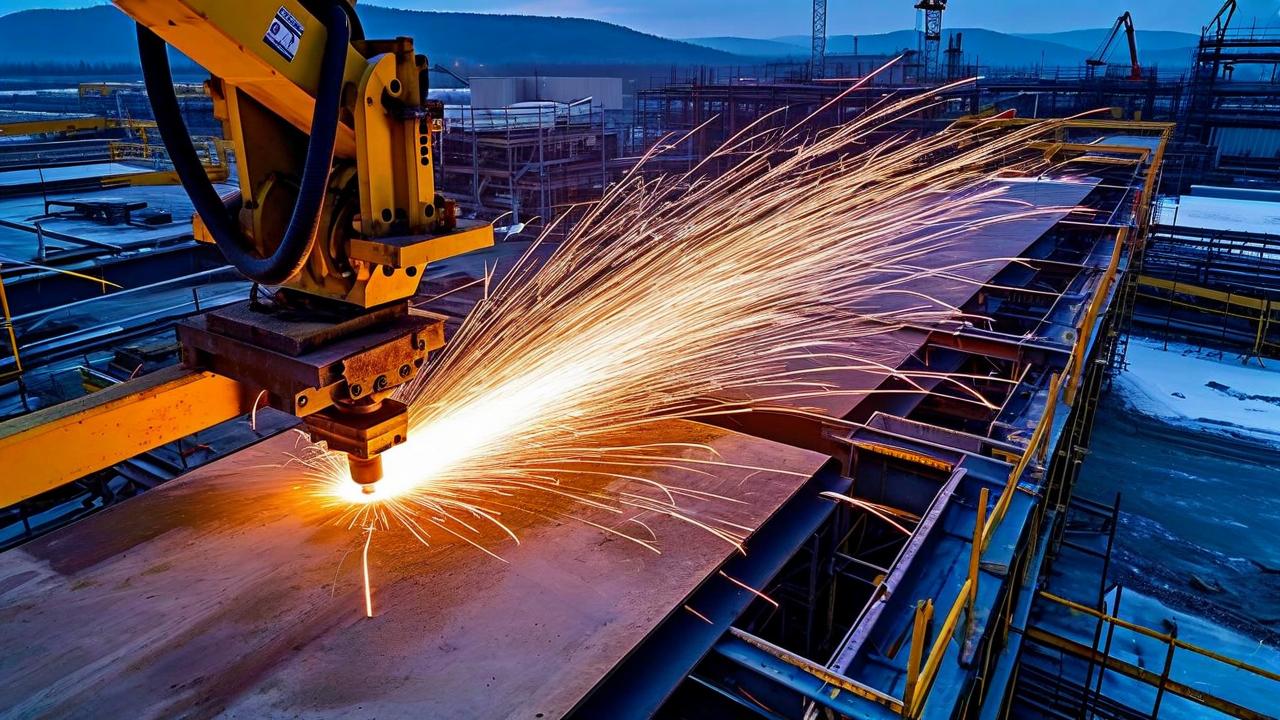

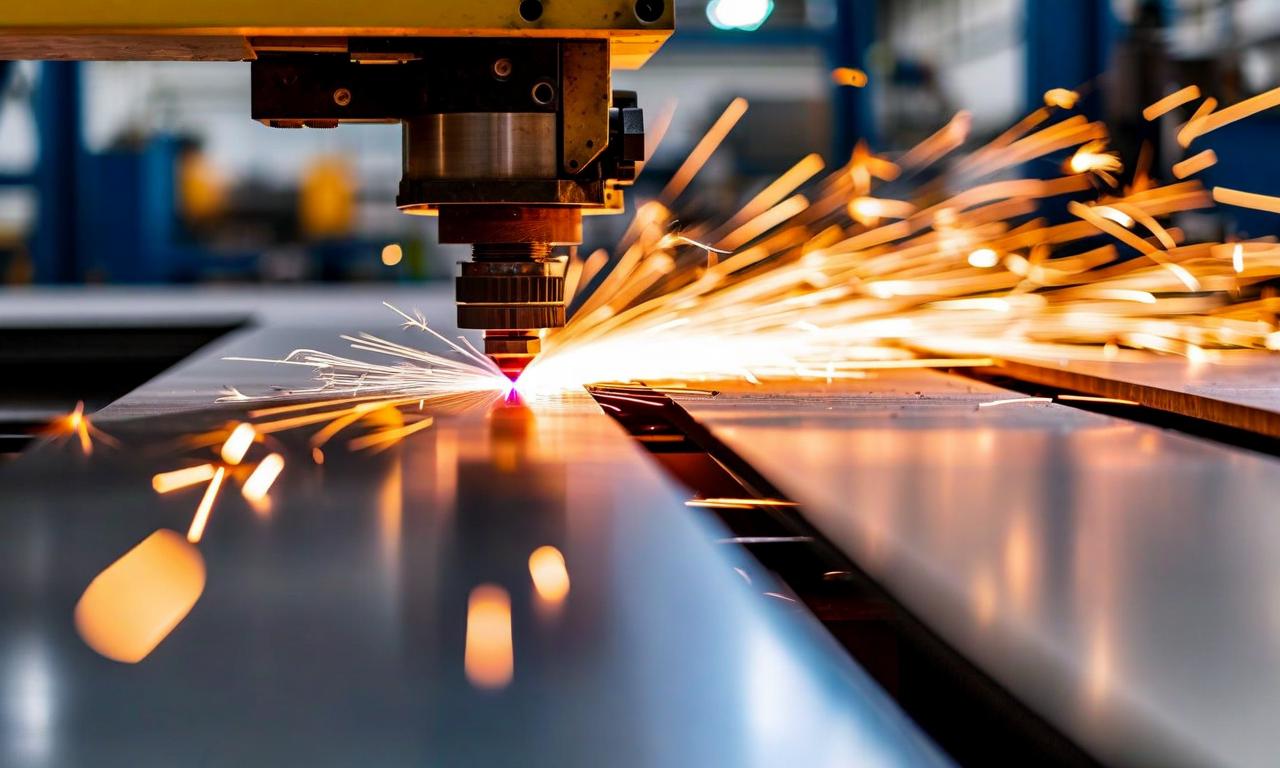
*this image is generated using AI for illustrative purposes only.
Rishi Laser reported a 55.48% year-on-year decline in profit after tax (PAT) to ₹3.67 crore for the fiscal year ended March 31, 2026, despite a top-line expansion. The company’s total revenue grew by 7.23% to ₹162.35 crore, reflecting steady demand across its core verticals. However, margin compression was evident as EBITDA margins moderated to 8.70% from 9.09% in the previous year.
The financial performance was heavily influenced by the commissioning and commercialization of the new manufacturing facility at Malur, Bangalore. Management attributed the profitability dip to higher employee benefit expenses, which rose to ₹32.83 crore from ₹26.68 crore, and increased finance costs of ₹4.14 crore. These transitional costs were necessary to scale up operations and align human capital with the expanded capacity.
What the Numbers Show
A significant divergence exists between the company’s operational cash generation and its bottom-line profitability. While PAT contracted sharply, the company recorded a net positive cash flow of ₹1.73 crore, reversing a net outflow of ₹3.65 crore in FY25. This indicates that the heavy investment phase is stabilizing, with the new facility beginning to convert capacity into active revenue streams. Additionally, other income contributed ₹132.80 lakh to total income, up from ₹69.23 lakh previously, largely due to foreign exchange gains and investment returns, partially offsetting operational margin pressures.
Segment Performance
The construction equipment vertical remained the primary revenue driver, accounting for 53.33% of total intake. The power distribution segment contributed 10.74%, while rail transportation added 2.31%. The "Others" category, which includes businesses beyond the three core verticals, saw its share increase to 33.62%, driven by improved utilization at the Pune facility and early-stage contributions from the newly established robotics and automation business.
| Metric | FY26 | FY25 | Change |
|---|---|---|---|
| Total Revenue | ₹162.35 crore | ₹151.41 crore | +7.23% |
| EBITDA | ₹14.12 crore | ₹13.76 crore | +2.62% |
| PAT | ₹3.67 crore | ₹8.25 crore | -55.48% |
| Debt-to-Equity | 0.29x | 0.23x | - |
Balance Sheet and Outlook
The company maintained a conservative debt-to-equity ratio of 0.29x, reflecting disciplined capital management despite the capital expenditure required for the Malur expansion. Net worth grew to ₹74.60 crore from ₹71.31 crore. Looking ahead, management has guided for a revenue CAGR of approximately 20% over the next three years, with the Malur facility expected to contribute around ₹100 crore in annual revenue by FY29. No dividend was declared for the current fiscal year to strengthen cash flows.
Historical Stock Returns for Rishi Laser
| 1 Day | 5 Days | 1 Month | 6 Months | 1 Year | 5 Years |
|---|---|---|---|---|---|
| 0.0% | -0.55% | +11.84% | +30.68% | +11.75% | +883.39% |

How will the ramp-up of the Malur facility impact EBITDA margins in FY27, and when does management expect profitability to normalize relative to the new capacity?
What specific strategies is Rishi Laser employing to mitigate rising employee benefit expenses as it scales its workforce for the expanded operations?
Given the significant growth in the 'Others' segment driven by robotics and automation, what is the projected revenue contribution of this new vertical by FY29?
 15
15









 Access Market Heat-map & Insights
  Create, Save & Share your Screener
  Use 200+ Screening Filters





