

RHI Magnesita H1 Results: Adjusted EBITA rises 42% on constant currency basis


RHI Magnesita's H1 2026 results show a 42% rise in adjusted EBITA on a constant currency basis, reaching €165 million. Strong Steel segment performance and self-help measures drove growth despite a €24 million FX headwind. Full-year guidance of €400 million is maintained, with capex reduced to €115 million.


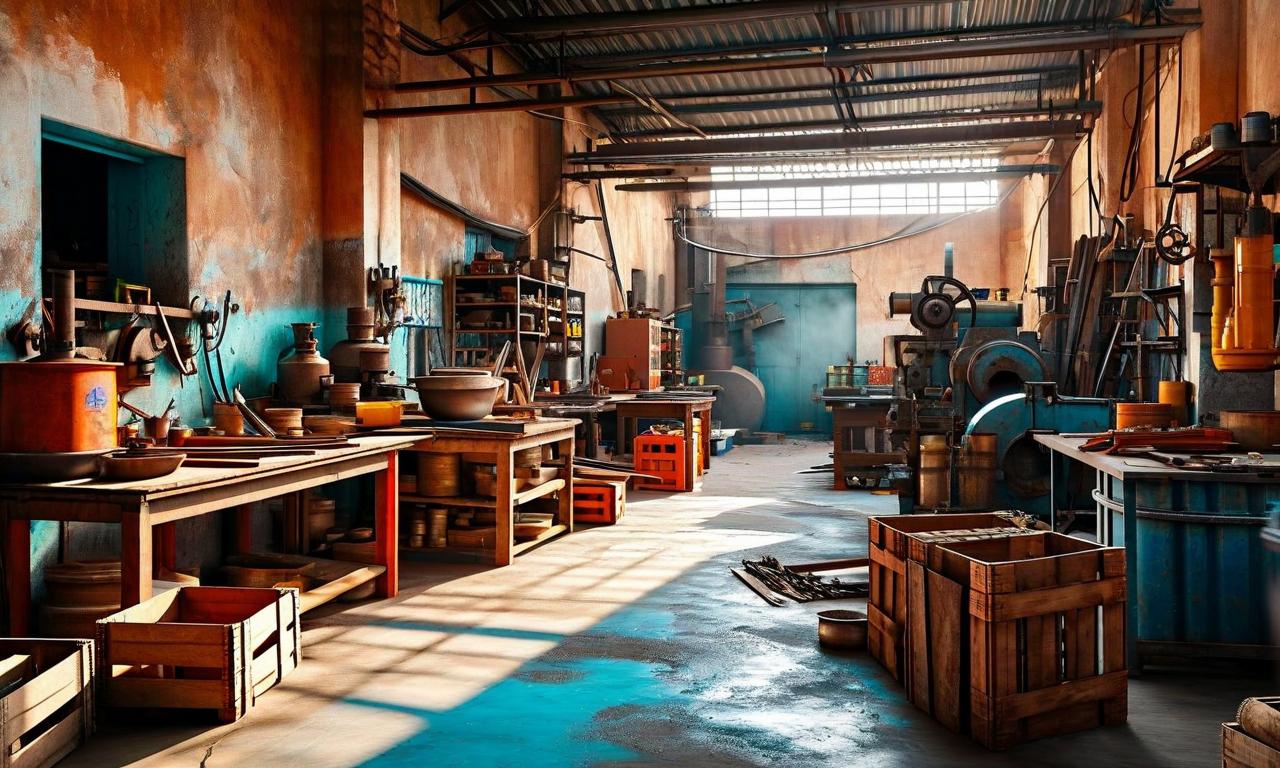
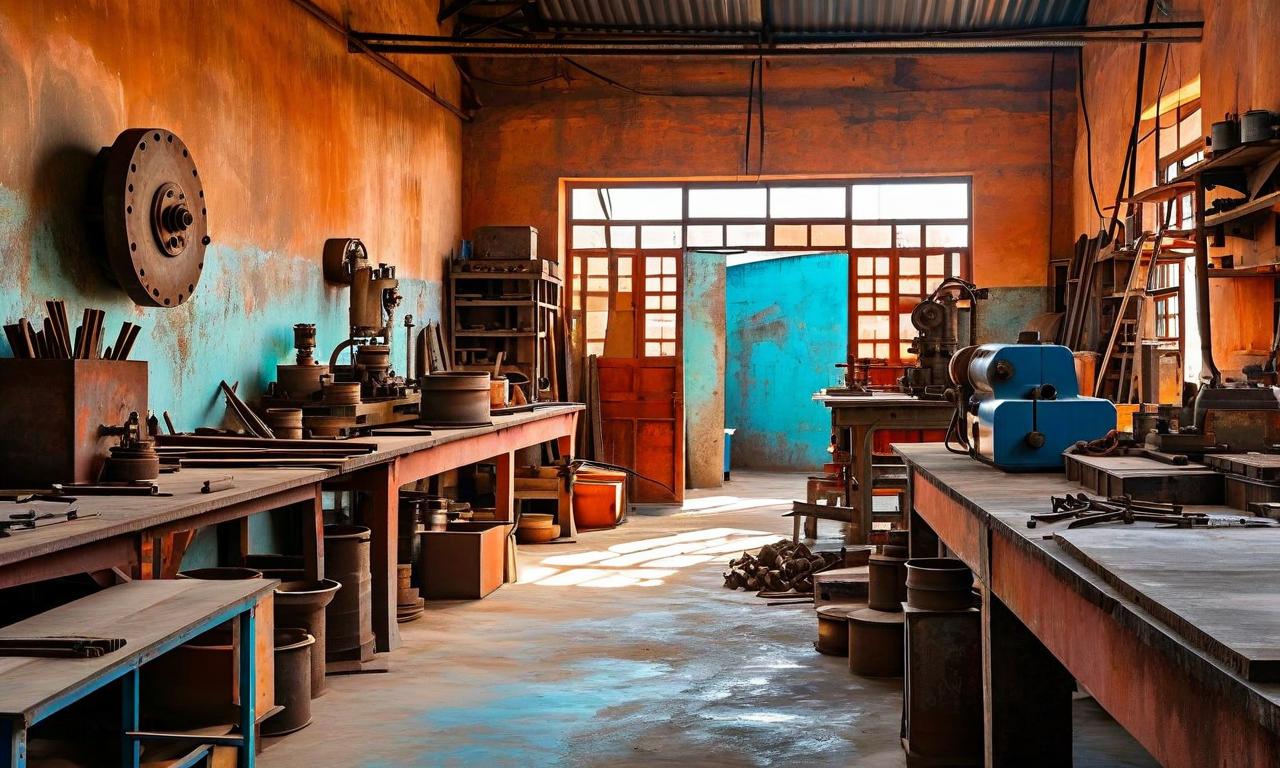
*this image is generated using AI for illustrative purposes only.
Rhi Magnesita delivered a significant earnings improvement in the first half of 2026, with adjusted EBITA rising by 42% on a constant currency basis. This growth was primarily driven by the successful execution of management-led self-help measures and robust performance within the Steel segment, offsetting broader market weakness and foreign exchange headwinds.
Adjusted EBITA increased by €24 million, or 17%, to €165 million compared with €141 million in the same period last year. This reported figure included a material foreign exchange headwind of €24 million. Excluding currency effects, the underlying operational performance showed a much steeper trajectory, highlighting the effectiveness of cost-saving initiatives and pricing adaptations across the group.
Segment Performance and Operational Drivers
The Steel segment emerged as a key growth driver, benefiting from demand expansion in North America, Europe, and India. These gains were supported by ongoing self-help programmes focused on pricing adjustments, administrative cost reductions, and plant network optimisation. Conversely, the Industrial segment underperformed expectations due to customer caution and delays in higher-margin projects within Glass and Industrial Applications. However, the Cement and Non-Ferrous Metals divisions posted slight year-on-year improvements.
| Metric | H1 2026 | H1 2025 | Change |
|---|---|---|---|
| Adjusted EBITA | €165 million | €141 million | +17% |
| Adj. EBITA (Constant Currency) | €165 million | N/A | +42% YoY |
| Working Capital Intensity | 24% | N/A | Increased |
| Net Debt | €1,528 million | N/A | Increased |
Working capital intensity temporarily rose to 24% as the company built up raw material inventories ahead of anticipated stronger order books in the second half and to mitigate tariff uncertainty. Despite this increase, cash conversion remained strong at 97%. Net debt climbed to €1,528 million, though leverage remained stable at 2.9x Net Debt to Adjusted EBITDA.
Full-Year Guidance and Outlook
RHI Magnesita has reaffirmed its full-year adjusted EBITA guidance of €400 million, which factors in an expected foreign exchange headwind of approximately €35 million. The company remains on track to deliver €45 million in adjusted EBITA improvements from price adaptations, network optimisation, and administrative savings. Additional benefits from raw material and plant network initiatives are projected for 2027.
Capital expenditure guidance was reduced from €130 million to €115 million. Management expects working capital intensity to decrease to 22% by year-end as temporary inventory builds unwind. Net debt is projected to fall to approximately €1,400 million by the end of 2026, with leverage reducing towards 2.6x Net Debt to Adjusted EBITDA.
What the Numbers Show
The divergence between reported EBITA growth (17%) and constant currency growth (42%) underscores the significant impact of foreign exchange volatility on RHI Magnesita’s financial reporting. While the headline numbers reflect currency headwinds, the underlying operational leverage is improving substantially through disciplined cost management and pricing power, particularly in the resilient Steel segment. This suggests that core profitability is strengthening even as macroeconomic factors create external pressures.
Historical Stock Returns for RHI Magnesita
| 1 Day | 5 Days | 1 Month | 6 Months | 1 Year | 5 Years |
|---|---|---|---|---|---|
| -1.42% | -4.43% | -3.55% | -13.43% | -21.51% | +0.62% |

How might the anticipated unwinding of raw material inventories in H2 2026 impact RHI Magnesita's working capital intensity and free cash flow generation?
What specific geopolitical or trade policy developments could exacerbate the projected €35 million foreign exchange headwind for the full year?
Given the underperformance of the Industrial segment, what strategic adjustments is management planning to accelerate higher-margin projects in Glass and Industrial Applications?
 16
16





 Access Market Heat-map & Insights
  Create, Save & Share your Screener
  Use 200+ Screening Filters





