

Reliance Infrastructure reports ₹360 crore defence exports in FY26 BRSR


Reliance Infrastructure Limited’s FY26 BRSR highlights ₹360 crore in defence exports and over 1,200 million metro passengers. The company achieved PAT scheme targets with T&D losses of 6.62% for BRPL and 6.57% for BYPL. Power distribution remains the primary revenue source at 91.53% of turnover.


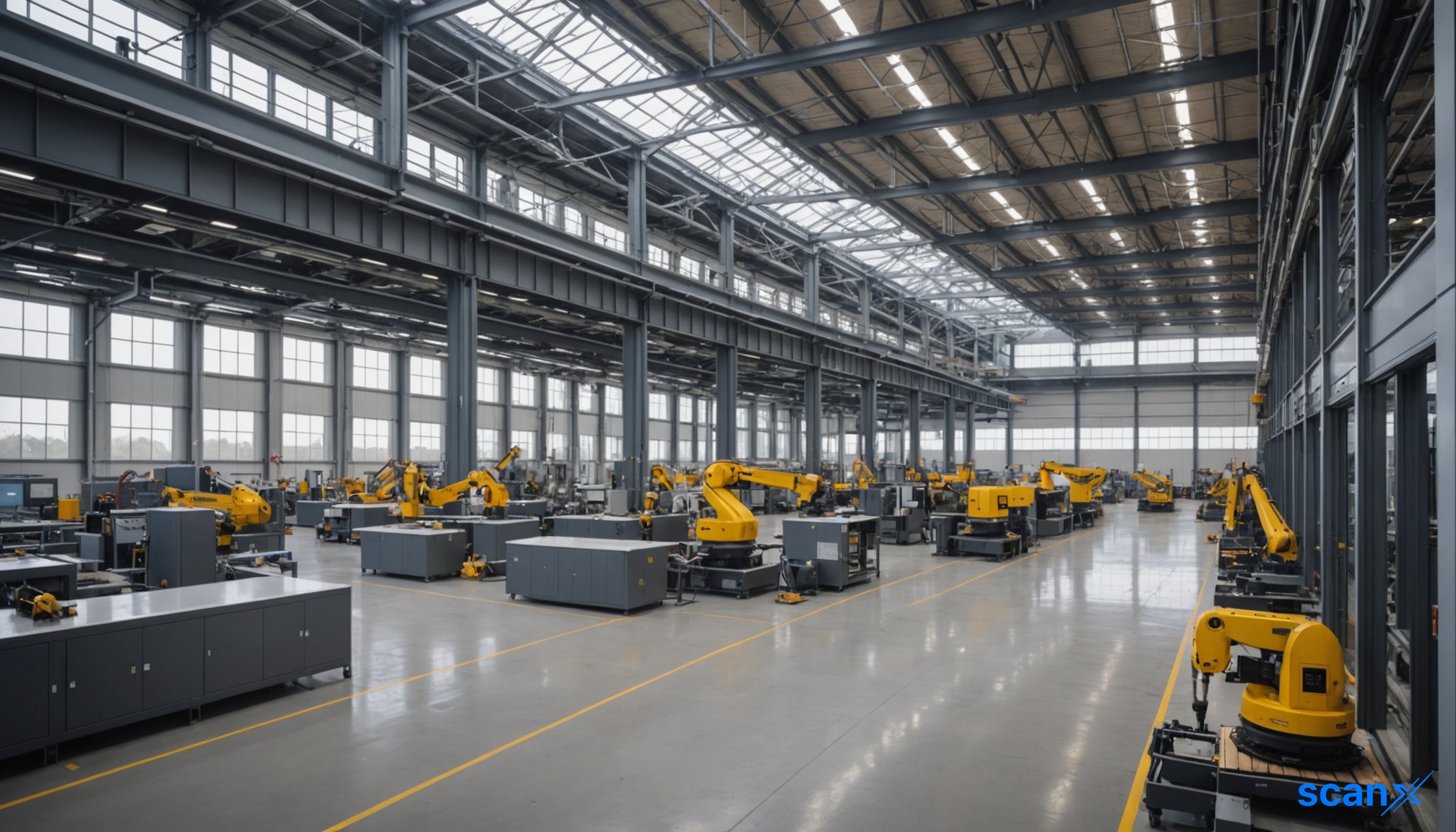
*this image is generated using AI for illustrative purposes only.
Reliance Infrastructure Limited submitted its Business Responsibility and Sustainability Report (BRSR) for the financial year 2025-26 on July 23, 2026, pursuant to Regulation 34(2)(f) of the SEBI (Listing Obligations and Disclosure Requirements) Regulations, 2015. The filing reveals robust operational performance across its core segments, with defence exports reaching ₹360 crore in FY26 and Mumbai Metro One Private Limited (MMOPL) serving over 1,200 million passengers as of March 31, 2026. These figures underscore the company’s expanding footprint in high-growth infrastructure and aerospace sectors, while maintaining its dominant position in urban mobility.
The report, filed with both the Bombay Stock Exchange and the National Stock Exchange of India Limited, outlines the company’s consolidated performance. Reliance Infrastructure operates through a diverse portfolio including power distribution, metro rail, toll roads, engineering & construction (E&C), and defence. The company’s paid-up capital stands at ₹408.63 crore. The BRSR was signed by Paresh Rathod, Company Secretary & Compliance Officer, and is available on the company’s website at www.rinfra.com .
Operational Highlights by Segment
The defence business emerged as a key growth driver, with exports totaling ₹360 crore in FY26. Through its joint venture Dassault Reliance Aerospace Limited (DRAL), the company manufactured aerostructures for Falcon and Rafale platforms, delivering over 1,241 assemblies. An opportunity pipeline of approximately ₹2,300 crore spans domestic and export markets. Thales Reliance Defence Systems (TRDS) contributed by assembling AESA radars and electronic warfare suites, while also pioneering the indigenisation of critical radar components. The company also designed new-generation 155 mm artillery shells in collaboration with the Armament Research and Development Establishment (ARDE).
In the metro segment, MMOPL reported that daily ridership has exceeded pre-pandemic levels, driven by improved accessibility and integration with expanding metro lines including Line 2A, Line 7, Line 3, Line 2B, and Line 9. The power distribution business, through BSES Rajdhani Power Limited (BRPL) and BSES Yamuna Power Limited (BYPL), supplies electricity to approximately 5.46 million consumers in Delhi. The toll road business operates 10 toll plazas across six roads in Maharashtra and Tamil Nadu.
Sustainability and Governance
Reliance Infrastructure disclosed that its policies align with the National Guidelines on Responsible Business Conduct (NGRBC) and international standards including ISO 9001, ISO 14001, and ISO 45001. The Corporate Social Responsibility and Sustainability Committee, chaired by Ms. Chhaya Virani, oversees these initiatives. The company achieved its Performance, Achieve and Trade (PAT) Scheme targets, with BRPL achieving a Transmission & Distribution (T&D) loss of 6.62% against a target of 8.08% for FY24-25, earning 16,697 Energy Saving Certificates. BYPL achieved a T&D loss of 6.57% against a target of 9.02%.
Environmental initiatives include the commissioning of an SF₆-free substation by BRPL and the installation of SF₆-free Ring Main Units by BYPL to reduce greenhouse gas emissions. The company also emphasized waste management practices, including recycling transformer oil and metals, and adhering to hazardous waste disposal regulations under the Delhi Pollution Control Committee.
What the Numbers Show
The concentration of turnover in the power distribution business, which accounts for 91.53% of total turnover, highlights the company’s reliance on this regulated utility segment for revenue stability. However, the rapid growth in defence exports (₹360 crore) and the massive passenger volume in the metro segment (over 1,200 million) indicate a strategic diversification away from pure utility dependence. The achievement of PAT targets well below prescribed T&D loss norms suggests efficient operational management in the power segment, potentially freeing up capital for higher-margin ventures like defence and E&C.
Historical Stock Returns for Reliance Infrastructure
| 1 Day | 5 Days | 1 Month | 6 Months | 1 Year | 5 Years |
|---|---|---|---|---|---|
| -1.99% | -5.05% | +1.96% | 0.0% | -76.61% | 0.0% |

How might the ₹2,300 crore defence opportunity pipeline influence Reliance Infrastructure's revenue mix and valuation multiples in the coming fiscal years?
What are the potential regulatory or tariff risks for the power distribution segment, which currently accounts for 91.53% of total turnover, and how could this impact cash flow stability?
Could the successful indigenisation of critical radar components through Thales Reliance Defence Systems lead to increased government contracts under India's 'Make in India' initiative?
 19
19






 Access Market Heat-map & Insights
  Create, Save & Share your Screener
  Use 200+ Screening Filters





