

Rama Petrochemicals narrows Q1FY27 loss to ₹153.13 lakh on revenue surge


Rama Petrochemicals Limited reported a narrowed standalone net loss of ₹153.13 lakh for Q1FY27, compared to ₹173.03 lakh in Q1FY26, aided by a rise in revenue to ₹68.36 lakh. Statutory auditors Khandelwal & Mehta LLP qualified the accounts due to the classification of ₹185 lakh collateral payments as assets.



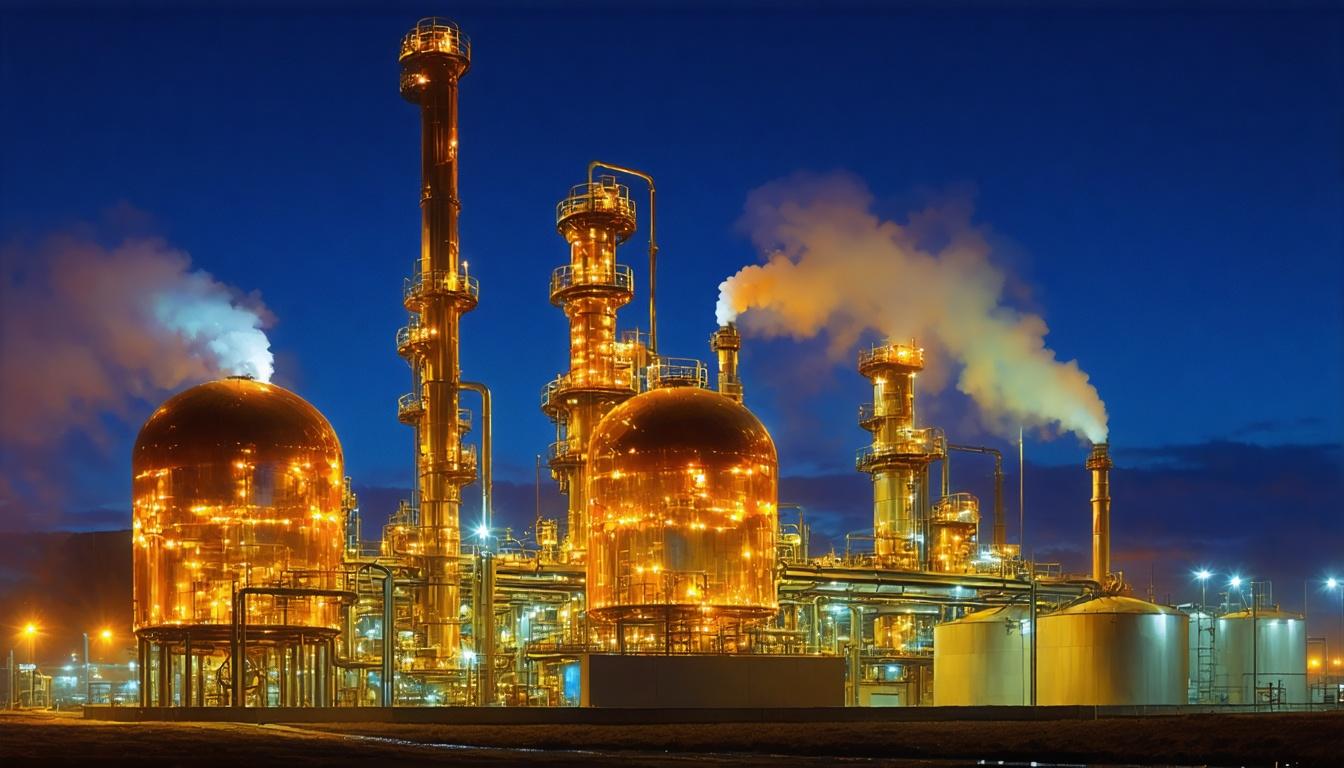
*this image is generated using AI for illustrative purposes only.
Rama Petrochemicals Limited reported a narrowed standalone net loss of ₹153.13 lakh for the quarter ended June 30, 2026 (Q1FY27), compared to a loss of ₹173.03 lakh in the corresponding period of the previous year. The improvement was primarily driven by a significant surge in revenue from operations, which rose to ₹68.36 lakh from ₹17.00 lakh in Q1FY26. Despite the operational uptick, the company continues to face pressure from high finance costs, which stood at ₹153.10 lakh for the quarter, effectively consuming nearly all operating revenue.
The Board of Directors approved the unaudited standalone and consolidated financial results on August 7, 2026, pursuant to Regulation 33 of the SEBI (Listing Obligations and Disclosure Requirements) Regulations, 2015. The results were reviewed by the Audit Committee and approved by the Board in its meeting held on the same date. Statutory auditors Khandelwal & Mehta LLP issued limited review reports on both the standalone and consolidated figures.
Financial Performance Overview
The company’s total revenue reached ₹88.06 lakh in Q1FY27, up from ₹17.12 lakh in Q1FY26. This increase was largely attributable to higher net sales/income from operations, which jumped to ₹68.36 lakh from ₹17.00 lakh. Other income also contributed significantly, rising to ₹19.70 lakh from ₹0.12 lakh in the prior year quarter.
However, expenses remained elevated. Total expenses for the standalone entity stood at ₹241.19 lakh, compared to ₹190.15 lakh in Q1FY26. Finance costs were the largest expense head at ₹153.10 lakh, slightly up from ₹146.17 lakh in the previous year. Employee benefit expenses decreased to ₹21.34 lakh from ₹17.73 lakh, while other expenditure remained relatively stable at ₹11.37 lakh.
| Particulars | Standalone Q1FY27 | Standalone Q1FY26 | Consolidated Q1FY27 | Consolidated Q1FY26 |
|---|---|---|---|---|
| Revenue from Operations | ₹68.36 lakh | ₹17.00 lakh | ₹68.36 lakh | ₹17.00 lakh |
| Total Revenue | ₹88.06 lakh | ₹17.12 lakh | ₹88.06 lakh | ₹17.12 lakh |
| Total Expenses | ₹241.19 lakh | ₹190.15 lakh | ₹242.43 lakh | ₹190.88 lakh |
| Net Loss | ₹(153.13) lakh | ₹(173.03) lakh | ₹(154.37) lakh | ₹(173.76) lakh |
Auditor Qualification and Capital Changes
Statutory auditors Khandelwal & Mehta LLP issued a qualified conclusion on the financial statements. The qualification relates to the company’s treatment of a payment of ₹185 lakh towards the release of collateral securities as ‘Other Financial Assets’. The auditors noted that this classification is not in accordance with generally accepted accounting principles, resulting in retained earnings and current assets being overstated by ₹185 lakh as of June 30, 2026. Management intends to adjust this amount once the collateral securities are released by all security holders.
During the quarter, the company also saw changes in its equity structure. Following a preferential issue in FY25, 20,99,750 fully convertible share warrants were converted into equity shares upon exercise by warrant holders. The paid-up equity share capital increased to ₹1,542.04 lakh from ₹1,332.06 lakh as of March 31, 2026.
What the Numbers Show
While the top-line growth is notable, the company’s profitability remains constrained by high fixed costs. Finance costs alone consumed nearly 100% of the operating revenue, indicating that the current revenue scale is insufficient to cover interest obligations. The narrowing of the net loss is partly due to the revenue surge but also reflects a slight decrease in employee benefits and other expenditures relative to the previous year’s high base. Investors should monitor the resolution of the auditor’s qualification regarding the ₹185 lakh asset classification, as it represents a material adjustment to the balance sheet.

What specific strategies is management implementing to reduce the ₹153.10 lakh quarterly finance costs that currently consume nearly all operating revenue?
How will the resolution of the auditor's qualification regarding the ₹185 lakh asset classification impact the company's reported equity and retained earnings in upcoming quarters?
Given the significant revenue surge from ₹17.00 lakh to ₹68.36 lakh, what operational or market factors are driving this growth, and is it sustainable in Q2FY27?
 16
16







 Create Custom Screeners
  Access 200+ Pre-built Filters
  Use 50+ Readymade Screener





