Raj Rayon Industries reported a net profit of ₹6.86 crore for the quarter ended June 30, 2026, marking a 13% increase from ₹6.07 crore in the corresponding period of FY25. Revenue from operations declined 21.4% YoY to ₹2,044.64 crore, yet the company maintained profitability through controlled expenses and favorable tax adjustments. In a separate development, the board also greenlighted a Phase II expansion in Silvassa, boosting polyester capacity by 350 TPD, as part of the broader ₹650 crore capital expenditure plan.
The results were approved by the board at its meeting held on August 12, 2026, in compliance with Regulation 30 and Regulation 33 of the SEBI (Listing Obligations and Disclosure Requirements) Regulations, 2015. Statutory Auditors Bagaria & Co. LLP issued a limited review report with a qualified conclusion. The qualification arises from the management's ongoing efforts to obtain details of three inoperative bank accounts dating back to the period prior to the Corporate Insolvency Resolution Process (CIRP), when the current management was not in charge. The auditors stated they are unable to comment on the potential financial impact until these statements are available.
Financial performance
Revenue from operations stood at ₹2,044.64 crore for Q1FY26, down from ₹2,601.92 crore in Q1FY25. Total income decreased to ₹2,054.63 crore from ₹2,603.99 crore in the prior year quarter. Despite the revenue contraction, total expenses were managed at ₹1,973.94 crore, compared to ₹2,529.58 crore in Q1FY25. Cost of materials consumed dropped significantly to ₹1,380.36 crore from ₹2,234.19 crore. Finance costs rose slightly to ₹51.78 crore from ₹39.99 crore, while employee benefits expense increased to ₹39.50 crore from ₹34.73 crore.
| Particulars: |
Q1FY26 (₹ in Lakhs) |
Q1FY25 (₹ in Lakhs) |
Change (%) |
| Revenue from operations: |
20,446.35 |
26,019.21 |
-21.4% |
| Total income: |
20,546.28 |
26,039.96 |
-21.1% |
| Total expenses: |
19,739.38 |
25,295.84 |
-22.0% |
| Profit before tax: |
806.90 |
744.12 |
+8.4% |
| Net profit after tax: |
685.88 |
607.27 |
+13.0% |
Profit before tax rose 8.4% to ₹80.69 crore from ₹74.41 crore. The improvement in net profit was further aided by a deferred tax benefit of ₹12.10 crore, compared to a benefit of ₹13.69 crore in the previous year. Earnings per share (basic) were ₹0.12, up from ₹0.11 in Q1FY25. Diluted EPS was ₹0.09, compared to ₹0.08 previously.
Strategic expansion and operational updates
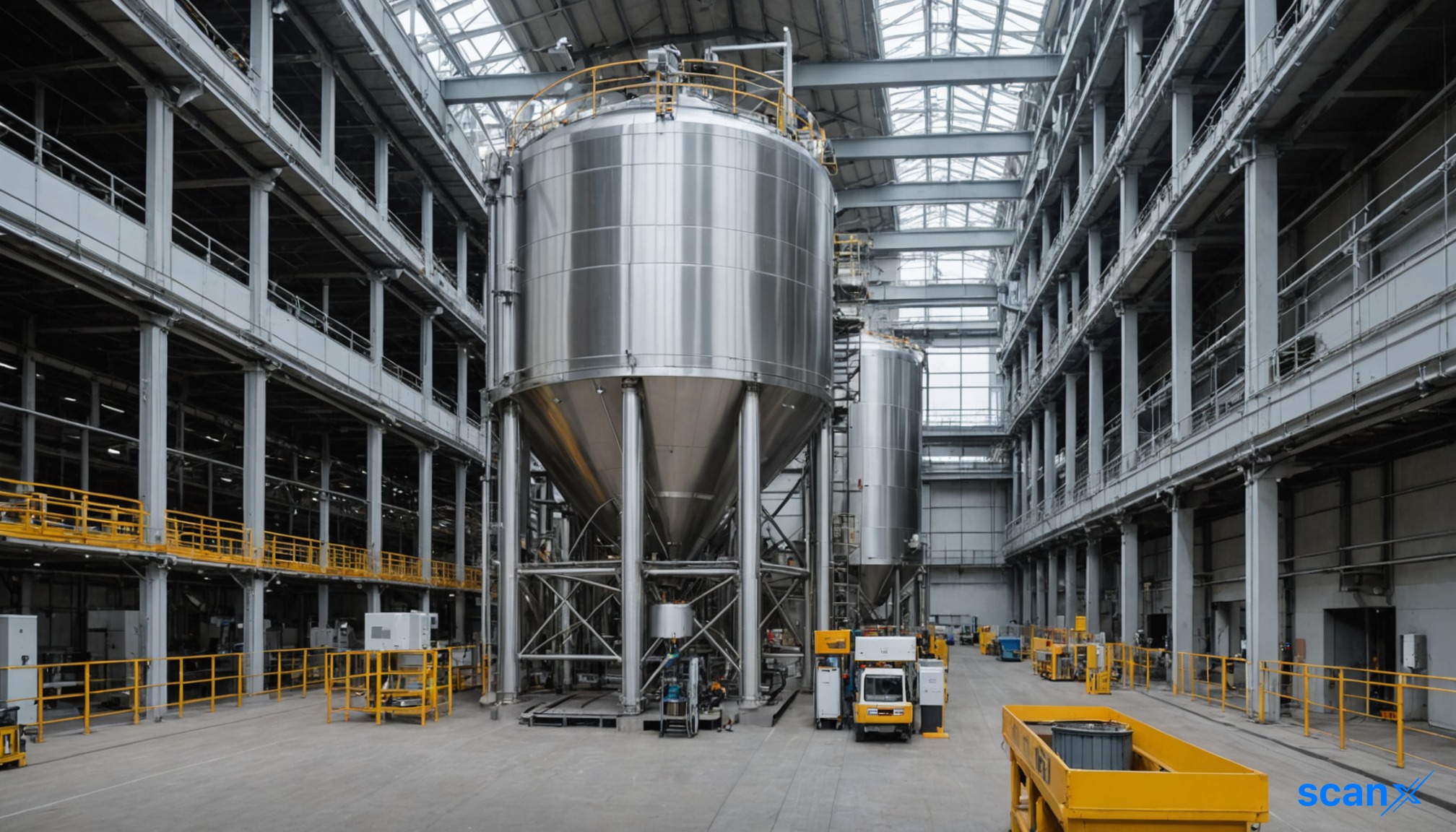
The board authorized a Phase II expansion at its Silvassa facility, adding polyester capacity of 350 TPD, as part of the capital expenditure plan of up to ₹650 crore for the expansion of the company's textile yarn manufacturing and marketing business. This investment will cover the acquisition and installation of plant, machinery, equipment, and other necessary assets, with funds to be arranged through available means and sources.
| Expansion parameter: |
Details |
| Phase: |
Phase II |
| Location: |
Silvassa |
| Capacity addition: |
350 TPD (polyester) |
| Total capex approved: |
Up to ₹650 crore |
| Scope: |
Plant, machinery, equipment and related assets |
Regarding regulatory compliance, the status of implementation and assessment of the new labour codes remains unchanged. Management indicated that impact assessment and compliance readiness are under review, with implementation deferred as consultations with the HR department continue. The company continues to operate primarily in the single segment of manufacturing and marketing of textile yarns.
What the numbers show
The divergence between declining revenue and rising profits highlights a shift in cost structure rather than volume growth. While revenue fell over 21%, total expenses contracted by a similar margin, but profit before tax grew 8.4%. This suggests that fixed costs may have been reduced or that the product mix sold has improved margins. The board's approval of the Phase II Silvassa expansion, adding 350 TPD of polyester capacity under the ₹650 crore capex plan, signals management's confidence in long-term growth despite the current revenue dip. However, the qualified audit opinion introduces uncertainty; the inability to verify three inoperative bank accounts from the pre-CIRP era poses a latent risk that could affect future financial statements if liabilities are discovered.


 17
17





 Create Custom Screeners
  Access 200+ Pre-built Filters
  Use 50+ Readymade Screener





