

Porwal Auto Components net profit surges 6,042% in FY26 to ₹99.3 crore


- Net profit surged 6,042% YoY to ₹99.3 crore in FY26, up from ₹1.6 crore
- Revenue grew modestly by 1.3% to ₹1,422.6 crore
- Profit driven largely by ₹78.6 crore gain on sale of fixed assets
- 34th AGM scheduled for September 28, 2026
- Company issued 17.5 lakh shares post-year-end at ₹57 each



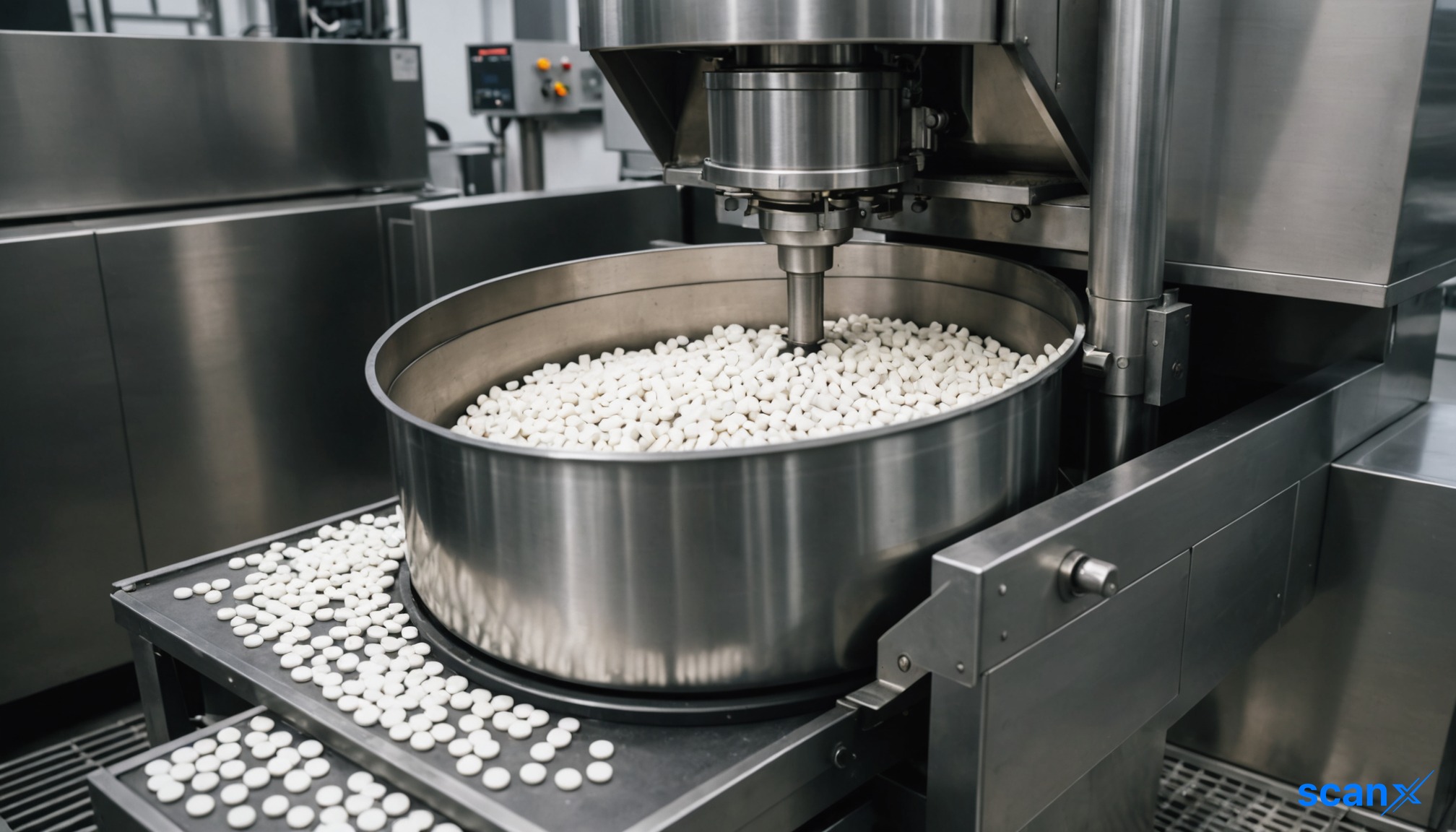
*this image is generated using AI for illustrative purposes only.
Porwal Auto Components reported a net profit of ₹99.3 crore for the fiscal year ended March 31, 2026, a sharp rise from ₹1.6 crore in the previous year. The company also scheduled its 34th Annual General Meeting (AGM) for September 28, 2026.
Financial Performance
Revenue from operations grew 1.3% year-on-year to ₹1,422.6 crore, up from ₹1,404.5 crore in FY25. The profit before tax stood at ₹120.6 crore, compared to ₹1.9 crore in the prior year. Other income saw a significant increase to ₹82.0 crore from ₹2.3 crore, primarily driven by a ₹78.6 crore profit on the sale of fixed assets.
| Metric | FY26 | FY25 | Change |
|---|---|---|---|
| Revenue from operations | ₹1,422.6 crore | ₹1,404.5 crore | +1.3% |
| Profit before tax | ₹120.6 crore | ₹1.9 crore | +6,125.3% |
| Net profit after tax | ₹99.3 crore | ₹1.6 crore | +6,042.3% |
Total expenses decreased slightly to ₹1,384.0 crore from ₹1,404.8 crore. Depreciation expenses fell to ₹47.4 crore from ₹53.8 crore. The company did not declare any dividend for the financial year.
What the Numbers Show
The dramatic surge in profitability was not driven by operational revenue growth, which remained relatively flat at 1.3%. Instead, the bottom line expansion was largely fueled by non-recurring gains. The ₹78.6 crore profit on the sale of fixed assets accounted for the vast majority of the increase in other income, transforming a modest pre-tax profit into a substantial surplus. This indicates that the core operating margin improvement was modest compared to the impact of asset disposals.
AGM Details and Corporate Actions
The 34th AGM will be held via Video Conference or Other Audio-Visual Means (OAVM) on September 28, 2026, at 1:00 pm. The meeting aims to transact ordinary business, including the adoption of audited financial statements and the reappointment of Mr. Mukesh Utsavlal Jain as Whole Time Director and Chairman.
Special business items include:
- Ratification of remuneration for cost auditors M/s Nikhil Jain & Associates at ₹35,000 per year plus taxes.
- Approval of material related party transactions with Porwal Diesels Private Limited up to an aggregate of ₹50.0 crore for FY27.
The book closure period is from September 22, 2026, to September 28, 2026. The record date for voting rights is September 21, 2026.
Subsequent Capital Raise
Subsequent to the financial year-end, the company issued 17.5 lakh equity shares at ₹57 per share to non-promoters via preferential allotment. Additionally, 3.9 lakh warrants were issued to the promoter group at the same price, convertible into equity shares within 18 months upon payment of the balance amount.
Operational Outlook
Porwal Auto Components plans to install a High Pressure Moulding Line (HPML) to enhance production capacity and precision. The company currently operates a production capacity of approximately 21,600 MT per annum and is expanding this by an additional 1,200 MT. It has also invested in solar power plants aggregating 4.8 MW for captive consumption, with plans to increase capacity to 10 MW by 2030.
Source: https://lodr-files.dhan.co/lodr-inputs/Company/INE386I01018/72c34ee8-14db-469b-9fad-12962772625b.pdf
Historical Stock Returns for Porwal Auto Components
| 1 Day | 5 Days | 1 Month | 6 Months | 1 Year | 5 Years |
|---|---|---|---|---|---|
| +0.41% | +3.13% | +11.13% | +8.80% | -0.80% | 0.0% |

How will the preferential allotment of 17.5 lakh shares and associated warrants impact existing shareholder equity and potential dilution in FY27?
What is the expected timeline and ROI for the new High Pressure Moulding Line (HPML) to contribute meaningfully to core operational revenue growth?
Will the company's strategy to expand solar power capacity to 10 MW by 2030 significantly reduce long-term manufacturing costs and improve operating margins?
 17
17






 Access Market Heat-map & Insights
  Create, Save & Share your Screener
  Use 200+ Screening Filters





