

Pasupati Acrylon FY26 Results: Net profit up 98% to ₹699 crore


Pasupati Acrylon reported a 98% surge in net profit to ₹699 crore and 63% revenue growth to ₹1,010 crore for FY26. The ethanol segment drove expansion, contributing ₹324 crore in revenue. The company will hold its AGM on September 9, 2026.

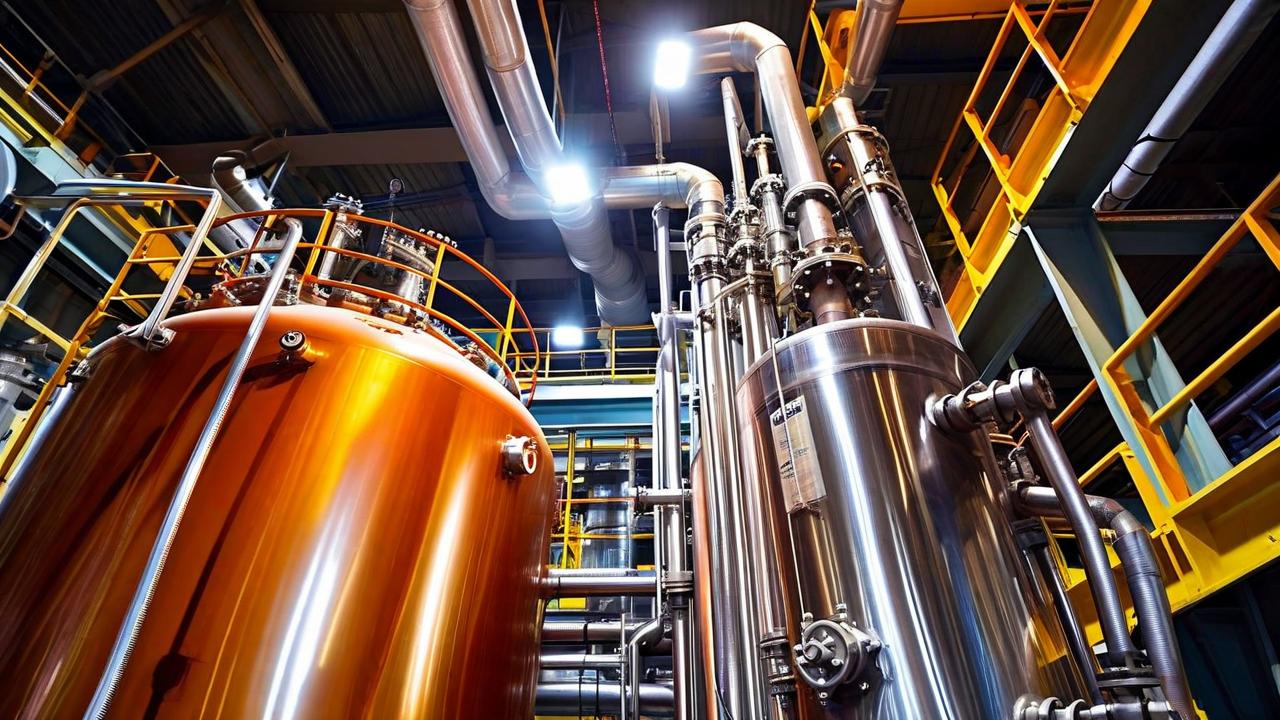

*this image is generated using AI for illustrative purposes only.
Pasupati Acrylon Limited delivered strong financial performance for FY26, driven by the successful integration of its grain-based ethanol segment alongside its core acrylic fibre and CPP film businesses. The company reported a 97.60% year-on-year increase in net profit after tax (PAT) to ₹6,991.41 lakh, up from ₹3,538.12 lakh in the previous fiscal. Revenue from operations expanded by 62.55% to ₹1,01,015.78 lakh, reflecting robust demand across segments and improved operational efficiency.
The Board of Directors has scheduled the company’s 43rd Annual General Meeting (AGM) for Wednesday, September 9, 2026, at 10:30 am at its registered office in Moradabad, Uttar Pradesh. Shareholders will consider the adoption of audited financial statements, the re-appointment of Director Satya Prakash Gupta, and the ratification of cost auditor remuneration.
Financial Performance
The company’s earnings growth outpaced revenue expansion, indicating improved operating leverage. EBITDA surged 112.13% to ₹11,922.25 lakh from ₹5,620.09 lakh in FY25. This margin expansion was supported by better plant run rates in the CPP division and the full-year contribution from the ethanol plant, which commenced commercial production in March 2025.
| Metric | FY26 | FY25 | Change |
|---|---|---|---|
| Revenue from Operations | ₹1,01,015.78 lakh | ₹62,143.18 lakh | +62.55% |
| EBITDA | ₹11,922.25 lakh | ₹5,620.09 lakh | +112.13% |
| Profit After Tax | ₹6,991.41 lakh | ₹3,538.12 lakh | +97.60% |
Segment Highlights
The ethanol segment emerged as a significant growth engine, contributing ₹32,422.24 lakh in revenue compared to just ₹266.24 lakh in FY25. The segment posted a profit before tax, exceptional items, and interest of ₹3,370.55 lakh. Meanwhile, the traditional acrylic fibre business saw revenue rise to ₹58,703.05 lakh from ₹53,810.27 lakh, with sales volumes increasing 11.89% to 37,878 MT. The CPP film division also turned profitable, reporting a pre-tax profit of ₹763.44 lakh against a loss of ₹30.62 lakh in the prior year.
What the Numbers Show
A notable divergence exists between export performance and overall revenue growth. While total revenue jumped 62.55%, foreign exchange earnings fell significantly. FOB value of exports dropped to ₹3,032.19 lakh from ₹5,341.39 lakh in FY25. Specifically, acrylic fibre exports declined sharply to 741 MT from 2,604 MT. This suggests that the revenue growth was primarily domestic or driven by the new ethanol segment, which is largely sold domestically to Oil Marketing Companies, rather than international expansion in legacy products.
Balance Sheet and Dividends
The company maintained a conservative debt profile with a debt-to-equity ratio of 0.25 times, down from 0.30 times in FY25. Total borrowings stood at ₹10,710.24 lakh (combining non-current and current liabilities). Despite the strong profitability, the Board decided not to recommend any dividend for FY26, likely to preserve capital for ongoing operations and potential capacity expansions.
AGM Details
The AGM notice outlines several key agenda items:
- Adoption of audited financial statements for FY26.
- Re-appointment of Mr. Satya Prakash Gupta as Director, who retires by rotation.
- Ratification of remuneration for Cost Auditor Mr. Satnam Singh Saggu for FY27, fixed at ₹60,000 plus taxes and expenses.
Remote e-voting will be available from September 6 to September 8, 2026. The record date for determining voting eligibility is September 2, 2026.
Historical Stock Returns for Pasupati Acrylons
| 1 Day | 5 Days | 1 Month | 6 Months | 1 Year | 5 Years |
|---|---|---|---|---|---|
| -4.25% | -12.75% | +12.70% | +70.31% | +52.55% | +88.47% |

How will the company's decision to forgo dividends in FY26 impact investor sentiment, and what specific capacity expansion projects is the capital being reserved for?
Given the sharp decline in acrylic fibre exports, what strategic initiatives is management planning to revive international demand or diversify export markets?
With the ethanol segment now contributing significantly to revenue, how vulnerable is the company to changes in government ethanol blending mandates or feedstock price volatility?
 20
20





 Access Market Heat-map & Insights
  Create, Save & Share your Screener
  Use 200+ Screening Filters





