

Parker Agrochem Exports returns to profit in FY26


Parker Agrochem Exports Limited reported a net profit of ₹86.12 lakh for FY26, recovering from a loss of ₹20.25 lakh in the previous year, driven by a shift to tank rental income and reduced expenses. The auditors issued an unmodified opinion on the financial results approved by the Board on May 28, 2026.

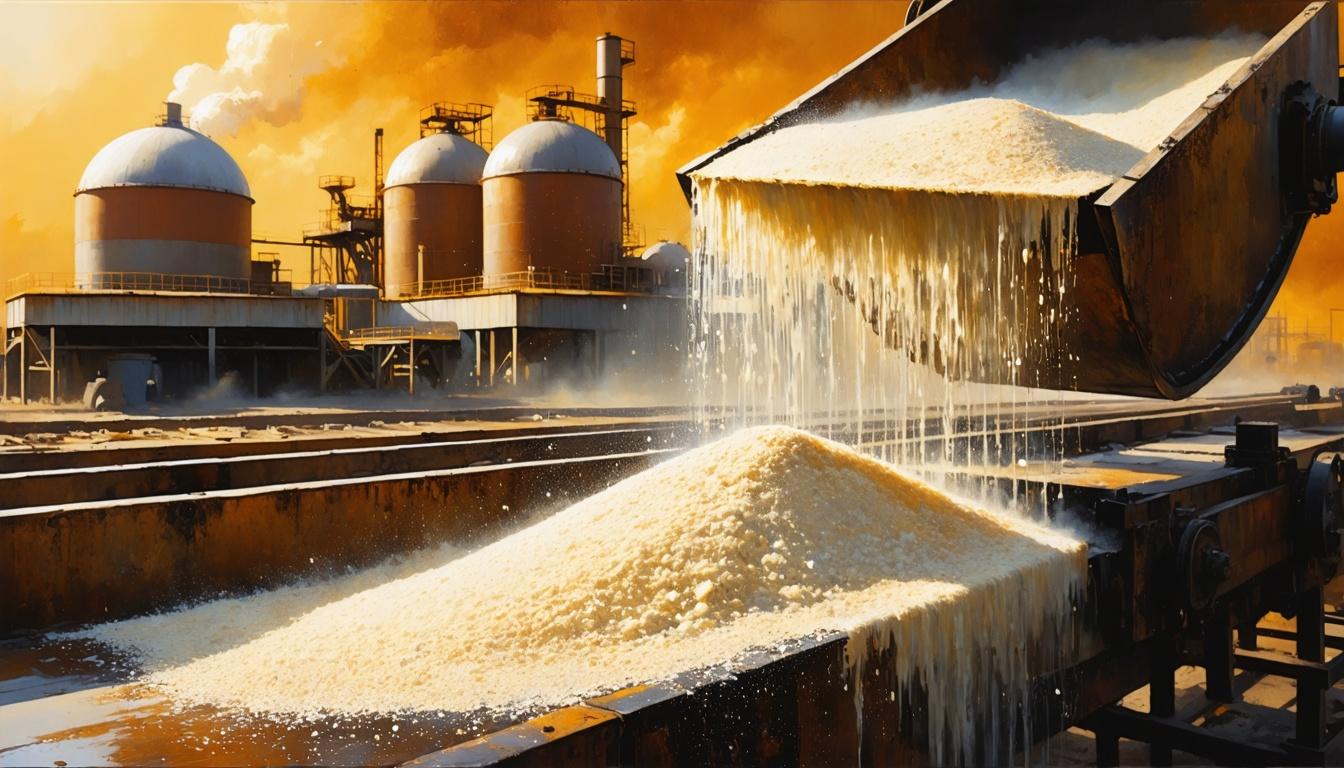

*this image is generated using AI for illustrative purposes only.
Parker Agrochem Exports Limited returned to profitability in the financial year ended March 31, 2026, posting a net profit of ₹86.12 lakh compared to a net loss of ₹20.25 lakh in the previous year. The turnaround was driven by a shift in business focus, as the company ceased trading activities in bullions and oils during the year, resulting in a sharp decline in total revenue but improved operational efficiency. The Board of Directors approved the audited financial results on May 28, 2026, confirming the company's return to the black.
The company's total income for FY26 fell to ₹536.90 lakh from ₹6,629.29 lakh in FY25. This decline reflects the strategic decision to stop trading activity, which had contributed ₹6,291.16 lakh to revenue in the prior year. Consequently, revenue from operations for FY26 was entirely derived from rental income from tank storage, amounting to ₹531.83 lakh. Despite the lower top line, stringent cost control measures helped the company reduce total expenses to ₹428.51 lakh from ₹6,651.14 lakh in the preceding year.
For the quarter ended March 31, 2026, Parker Agrochem Exports reported a net profit of ₹33.01 lakh, a significant increase from ₹14.55 lakh in the same quarter of the previous year. Total income for the quarter stood at ₹138.69 lakh, with rental income from tanks contributing ₹135.87 lakh. The company's profit before tax for the quarter was ₹37.26 lakh, compared to ₹28.62 lakh in the corresponding period of FY25.
Financial Performance
The following table outlines the audited standalone financial results for Parker Agrochem Exports Limited for the quarter and year ended March 31, 2026:
| Particulars | Quarter ended 31-03-2026 (Audited) | Year ended 31-03-2026 (Audited) | Year ended 31-03-2025 (Audited) |
|---|---|---|---|
| Total Income | 138.69 | 536.90 | 6,629.29 |
| Total Revenue from Operations | 135.87 | 531.83 | 6,625.93 |
| Other Income | 2.82 | 5.07 | 3.36 |
| Total Expenses | 101.43 | 428.51 | 6,651.14 |
| Employee benefits expense | 27.07 | 89.00 | 75.87 |
| Depreciation and amortisation expenses | 5.07 | 19.83 | 19.33 |
| Finance Costs | 1.06 | 6.83 | 14.75 |
| Other Expenses | 68.23 | 312.85 | 267.70 |
| Profit before tax | 37.26 | 108.39 | (21.85) |
| Net Profit for the period | 33.01 | 86.12 | (20.25) |
Segment Reporting
The company's reportable segments include trading activity and rental income from tanks. During FY26, the trading segment recorded nil revenue and nil profit before tax, as operations were discontinued. The tank rental segment emerged as the primary revenue driver, generating ₹531.83 lakh in revenue and a profit before tax of ₹103.32 lakh for the year. Capital employed remained largely stable at ₹473.15 lakh, primarily allocated to the tank rental segment.
Auditor's Opinion and Compliance
Shah & Shah Associates, Chartered Accountants, audited the financial results and issued an unmodified opinion. The auditors confirmed that the results give a true and fair view in conformity with the recognition and measurement principles laid down in the applicable accounting standards. The company also stated that it is not required to submit a statement of deviation or variation for the year ended March 31, 2026, as no issue proceeds were raised. The Board meeting commenced at 4:00 p.m. and concluded at 5:00 p.m. on May 28, 2026.
Historical Stock Returns for Parker Agrochem Exports
| 1 Day | 5 Days | 1 Month | 6 Months | 1 Year | 5 Years |
|---|---|---|---|---|---|
| 0.0% | -0.96% | +10.63% | +32.14% | +8.42% | 0.0% |

What are the company's long-term growth strategies for the tank rental segment given the reliance on a single revenue stream?
Does Parker Agrochem plan to utilize its stable capital employed to invest in new infrastructure or expand existing tank capacity?
How will the significant reduction in total revenue impact the company's ability to service debt or secure future financing?
 19
19









 Access Market Heat-map & Insights
  Create, Save & Share your Screener
  Use 200+ Screening Filters





