

Oriental Rail Infrastructure seeks ratification for ₹42.04 crore fund variation


Oriental Rail Infrastructure Limited has initiated a postal ballot to seek shareholder ratification for varying the utilization of ₹42.04 crore in unutilized proceeds from its 2024 preferential issue. The funds will be redirected to working capital requirements for the company and its subsidiaries, correcting a previous clerical error. E-voting is scheduled from August 11 to September 09, 2026.

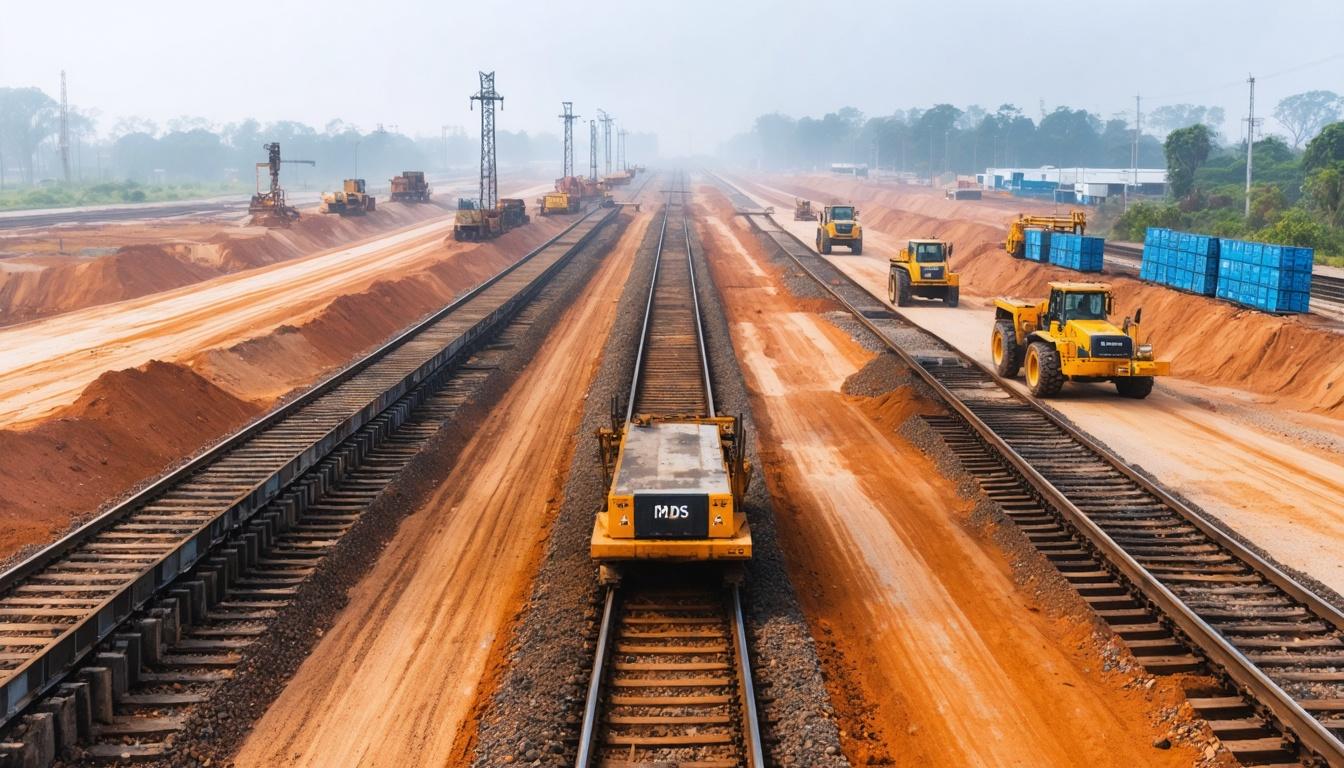

*this image is generated using AI for illustrative purposes only.
Oriental Rail Infrastructure Limited has issued a postal ballot notice seeking shareholder ratification to vary the utilization of ₹42.04 crore in unutilized proceeds from its earlier preferential issue. The Board of Directors, meeting on August 07, 2026, resolved to redirect these funds toward working capital requirements for the company and its subsidiaries, aiming to reduce interest costs and improve profitability. This move addresses a strategic realignment necessitated by changing geo-political and macro-economic conditions, which prevented the original deployment of funds for debt repayment and general corporate purposes. Shareholders must vote electronically between August 11, 2026, and September 09, 2026, to approve this variation under Regulation 30 of the SEBI Listing Regulations, 2015.
The current ballot process corrects an inadvertent clerical error in a previous Postal Ballot Notice dated March 30, 2026. That earlier notice erroneously stated the purpose as funding only the company's working capital, whereas the correct resolution seeks approval for funding the working capital requirements of the company and/or its subsidiary. Mr. Shiv Hari Jalan, a practicing Company Secretary (FCS: 5703, CP: 4226), has been appointed as the Scrutinizer to oversee the remote e-voting process conducted through National Securities Depository Limited (NSDL). The cut-off date for voting eligibility is Friday, August 07, 2026.
| Key Dates | Details |
|---|---|
| Cut-off Date | August 07, 2026 |
| E-voting Begins | August 11, 2026, 09:00 a.m. (IST) |
| E-voting Ends | September 09, 2026, 05:00 p.m. (IST) |
| Result Announcement | Within two working days of conclusion |
The original preferential issue, approved by shareholders on January 19, 2024, raised up to ₹212.20 crore through the allotment of convertible warrants and equity shares at ₹169 per unit. As of April 27, 2026, the company had utilized ₹170.16 crore against the original objects. Specifically, ₹3.78 crore was used for debt repayment (7.56% of the allocated ₹50.00 crore), while ₹159.35 crore was deployed for working capital (108.25% of the allocated ₹147.20 crore). The remaining ₹42.04 crore, originally earmarked for debt repayment and general corporate purposes, remains unutilized and is currently held in government securities and money market instruments.
What This Means for Shareholders
Shareholders holding shares as of the cut-off date are eligible to vote. The ratification is critical; without explicit shareholder approval, Oriental Rail Infrastructure cannot legally alter the designated use of the raised funds. Investors are advised to register their email addresses with their depositories or RTAs if not already done, to access the remote e-voting facility. The results will be declared within two working days of the voting conclusion and communicated to BSE Limited. This variation allows the company to optimize its capital structure by reducing reliance on external working capital borrowings, potentially leading to interest savings.
Historical Stock Returns for Oriental Rail Infrastructure
| 1 Day | 5 Days | 1 Month | 6 Months | 1 Year | 5 Years |
|---|---|---|---|---|---|
| -2.11% | -10.02% | -11.26% | +0.67% | +0.67% | +0.67% |

How might the reallocation of ₹42.04 crore to working capital impact Oriental Rail Infrastructure's debt-to-equity ratio and overall interest expense in the next fiscal year?
What specific geo-political or macro-economic factors prevented the original deployment of funds for debt repayment, and are these conditions expected to persist?
Will the increased working capital allocation for subsidiaries improve operational efficiency and supply chain resilience across the group?
 19
19






 Create Custom Screeners
  Access 200+ Pre-built Filters
  Use 50+ Readymade Screener





