

Oracle Q1FY27 revenue hits $19.3B; AI buildout self-funding


- Oracle Q1FY27 EPS hit $1.92, beating estimates; revenue reached $19.35B
- Cloud infrastructure revenue surged 121% to $7.4B, driving overall cloud growth
- $30B in new AI contracts closed without incremental Oracle capital via prepay models
- GPU utilization remained at 97.9% with assets resold at a 20% premium
- Full-year revenue guidance raised to exceed $90B

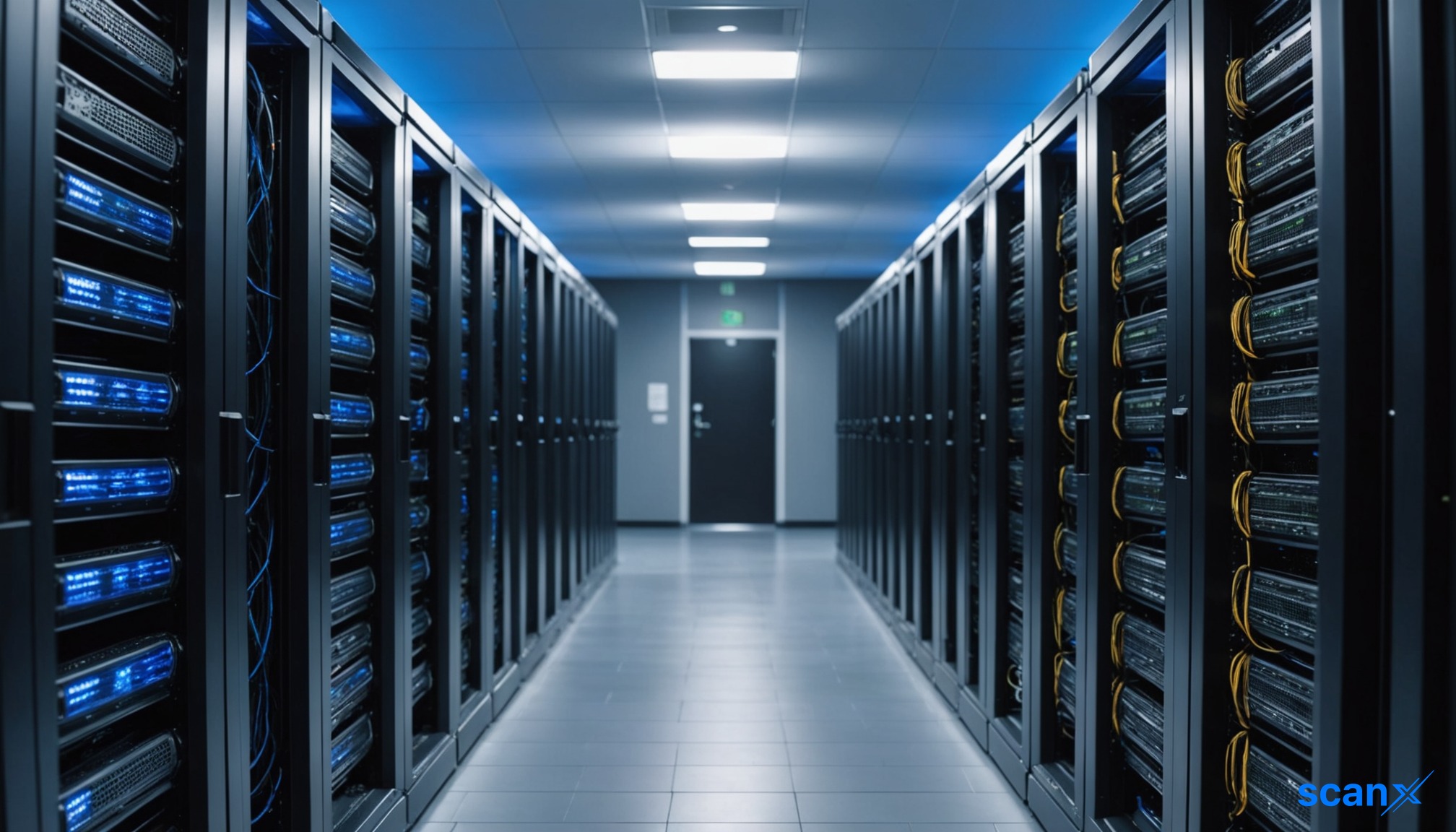

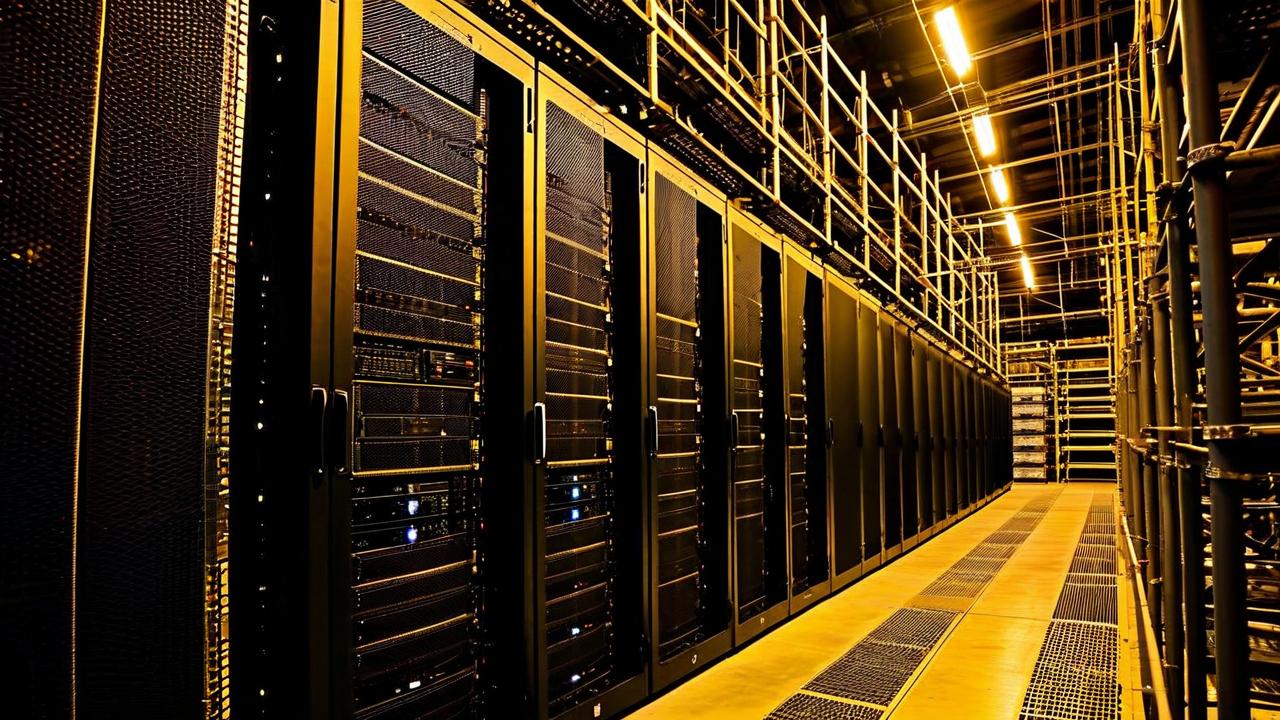
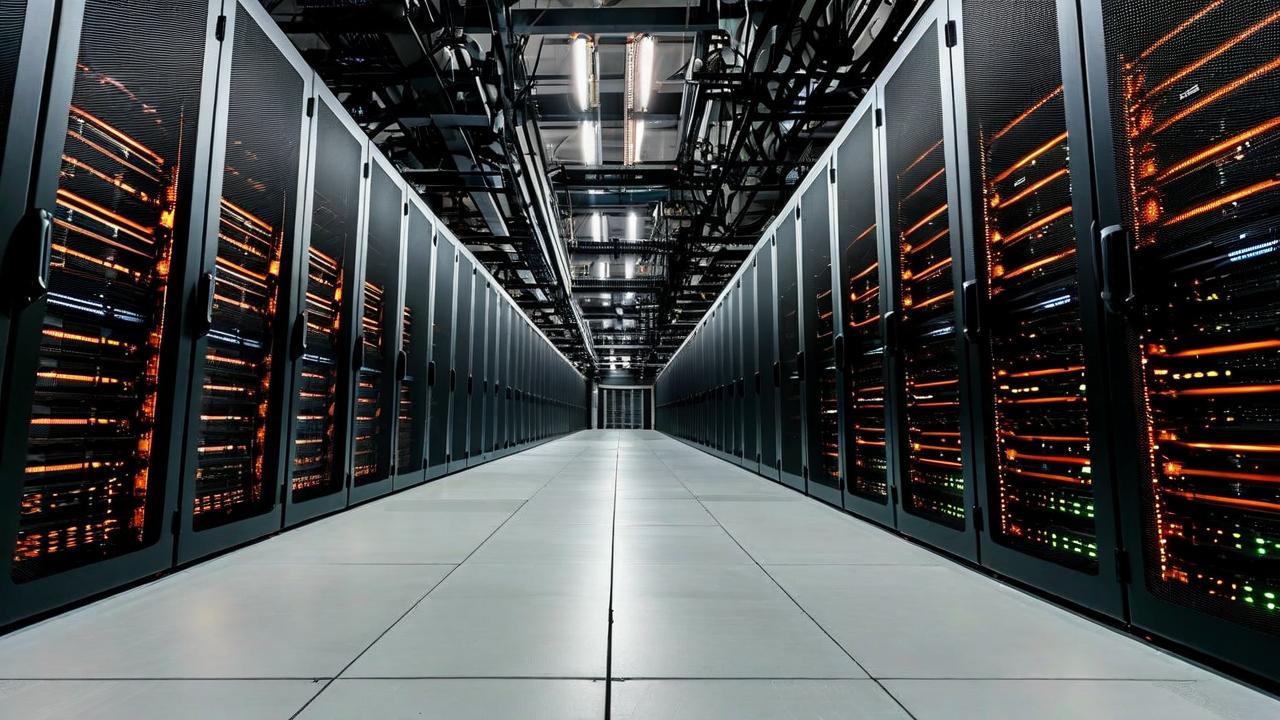
*this image is generated using AI for illustrative purposes only.
Oracle Corp. (NYSE: ORCL) reported fiscal 2027 first-quarter earnings that exceeded analyst expectations, driven by robust cloud infrastructure growth and a capital-efficient AI buildout strategy.
The company posted quarterly earnings of $1.92 per share, beating the consensus estimate of $1.74 by 10.34%. Total revenue reached $19.35 billion, surpassing the Street estimate of $19.14 billion.
Cloud Growth Drivers
Oracle’s cloud business showed significant expansion, with total cloud revenues hitting a record $11.6 billion, up 62% in USD and 61% in constant currency. The growth was primarily fueled by infrastructure services:
- Cloud Infrastructure (IaaS): Revenue surged 121% in USD and 120% in constant currency to $7.4 billion. This reflects strong execution as the company brought record levels of new megawatt capacity online.
- Cloud Applications (SaaS): Revenue grew 10% in USD and constant currency to $4.2 billion. Fusion grew at 14%, while industry applications grew at greater than 20%.
Remaining Performance Obligations (RPO) increased year-over-year by $209 billion to reach $664 billion, indicating strong future revenue visibility. RPO also increased by $26 billion from Q4, with the vast majority of new contracts via prepay or bring-your-own-hardware mechanics that do not require incremental capital from Oracle.
Capital Efficiency and Self-Funding Model
CFO Hilary Maxson explained that the vast majority of the new RPO growth came from prepay or bring-your-own hardware contracts, which will not require incremental capital from Oracle. She noted that this new RPO will not impact capex or revenues until fiscal 2028 or beyond.
Co-CEO Clay Magouyrk reinforced this point, stating that Oracle closed more than $30 billion of additional AI contracts in Q1 without requiring additional capital from Oracle. He described the broader strategy as ongoing, noting that new capacity does not have to be Oracle capex.
Maxson highlighted that completed projects are delivering a free cash flow conversion ratio of "something like 100% to post-tax EBITDA" shortly after ramping up, characterizing the business as somewhat "self-funding" at some point. Management expects around half of Oracle’s RPO to convert into sales over the next 36 months, shifting financing risk onto customers, suppliers, and lessors.
AI Hardware Longevity and Utilization
During the quarter, customers used Oracle’s embedded AI capabilities more than 150 million times. This usage grew 42% sequentially. CEO Clay Magouyrk highlighted that GPU longevity and value continue to impress, echoing Nvidia Corp (NASDAQ: NVDA) CEO Jensen Huang’s view that AI compute is "fungible, durable and highly rentable."
Magouyrk stated that all GPU capacity coming up for renewal in the quarter was either renewed or resold at a 20% premium to previous contracts, with most of those GPUs being at least four years old. He added, "We see a long useful life with increasing value for the AI capacity we’re deploying."
Additionally, GPU utilization remained extremely high at 97.9% in Q1. Oracle delivered 850 megawatts of AI capacity containing more than 300,000 GPUs since the end of its previous quarter. First-quarter deliveries were nearly three times Oracle’s fourth-quarter figure and represented 73% of the capacity delivered throughout the prior fiscal year.
Data Center Delays and Infrastructure Risks
Despite strong financial results, Oracle’s AI data center buildout is facing logistical hurdles. Co-CEO Clay Magouyrk acknowledged that assuming every project will meet its deadline is "a bad plan," referencing a delay at the company’s New Mexico data center caused by a stalled natural gas pipeline.
The New Mexico site, part of the Stargate buildout with OpenAI, has seen its in-service date pushed to February 2027 after the State Land Office denied permits for the necessary pipeline twice. Magouyrk noted that construction remains "definitely on track" and that Oracle is turning to Bloom Energy Corp. (NYSE: BE) fuel cells for on-site power as an alternative. He emphasized that data center sites typically come online in phases over several quarters, meaning a delay at one location does not create a sudden, concentrated hit to revenue in any single quarter.
Analysts had flagged these potential headwinds ahead of earnings. DA Davidson’s Gil Luria highlighted the delays as a concern. Additionally, Bloomberg reported in March that Oracle and OpenAI had shelved plans to expand their flagship Abilene, Texas site, a claim Oracle dismissed as "false and incorrect."
Operational Efficiency and Margins
Non-GAAP operating income increased by 31% to $8.2 billion, with a flat operating margin of 42%. Despite a decline in gross margin due to data center ramp-up and the acceleration of infrastructure revenue, this was offset by lower operating costs and strong operating leverage tied to simplification and efficiency actions.
Cash flow from operations reached a record $23 billion in Q1. Capital expenditure for the quarter was $28 billion, leading to negative free cash flow of $5 billion. Net cash CapEx, net of prepayments, was $18 billion for the quarter. Oracle completed a previously disclosed $20 billion at-the-market equity issuance in entirety during Q1.
What the Numbers Show
Cloud Infrastructure (IaaS) now constitutes approximately 64% of Oracle’s total cloud revenue ($7.4 billion out of $11.6 billion). This shift highlights the company’s growing reliance on high-margin infrastructure services rather than just software applications, as IaaS growth (121%) significantly outpaced SaaS growth (10%). The combination of 97.9% GPU utilization, 150 million embedded AI uses, and the ability to resell four-year-old GPUs at a 20% premium suggests that heavy capital expenditure is being rapidly converted into utilized, appreciating capacity. This validates the narrative of AI hardware as a durable, revenue-generating asset rather than rapidly depreciating technology.
Furthermore, the disclosure that $30 billion in new AI contracts required no additional Oracle capital underscores a strategic shift toward asset-light growth. By leveraging prepay and bring-your-own-hardware models, Oracle is expanding its order book without proportionally increasing its balance sheet risk, effectively transferring financing obligations to customers and partners.
Outlook and Guidance
Oracle raised its fiscal adjusted EPS guidance from $8.05 to $8.10, exceeding the analyst estimate of $8.07. The company expects full-year revenue to exceed $90 billion, against an estimate of $89.79 billion, representing a year-over-year increase of plus 34%. Full-year CapEx is expected to reach $90 to $95 billion, with not more than $70 billion in net cash CapEx.
For the second quarter, Oracle projects total revenue growth between 30% and 34% in US dollars. Cloud revenue growth is expected between 65% and 71%, and non-GAAP EPS is forecast at $1.85 to $1.93. Following the results, ORCL stock rose 6.64% to $163.10 in extended trading. On Friday, Oracle stock was up 0.55% at $153.78.

How might the shift toward prepay and bring-your-own-hardware models impact Oracle's long-term customer lock-in and churn rates compared to traditional subscription models?
What are the potential financial and operational risks if the transition to Bloom Energy fuel cells for the New Mexico data center fails to meet projected efficiency or cost targets?
Could Oracle's strategy of reselling aging GPU capacity at a premium cannibalize demand for its newest, higher-margin AI infrastructure services in future quarters?
 18
18








 Create Custom Screeners
  Access 200+ Pre-built Filters
  Use 50+ Readymade Screener





