

Oracle invests in 1.7GW Texas wind projects to power AI data centers


- Oracle invests in 10 wind projects delivering >1.7GW carbon-free power in Texas
- Projects aim to support AI data center growth and match 100% clean energy by 2035
- Estimated annual emission avoidance of 1.8 million metric tons of CO2
- Stock down 52.56% over 12 months; trades below key moving averages
- Analyst consensus remains Buy with average price target of $249.64

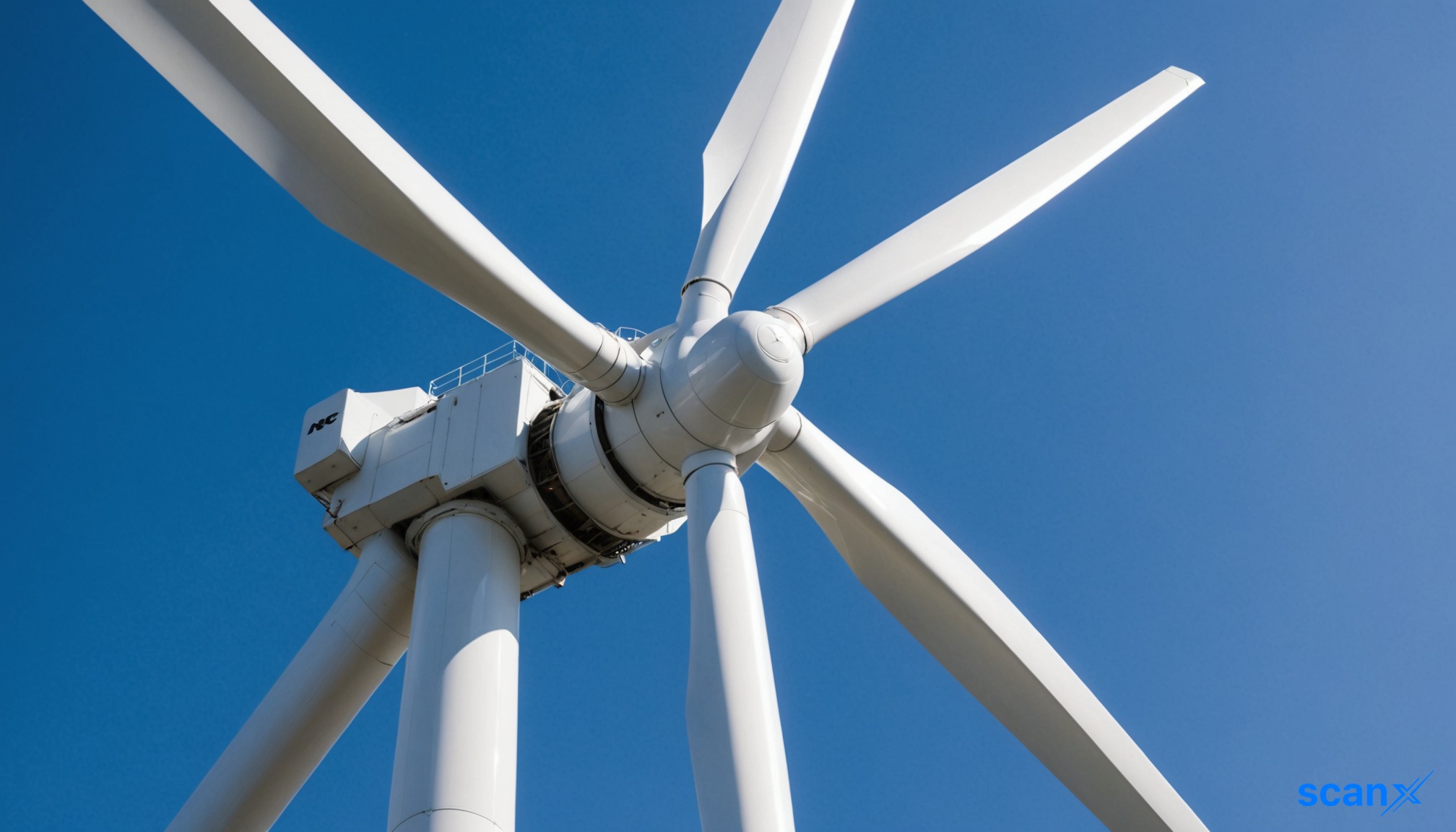

*this image is generated using AI for illustrative purposes only.
Oracle Corp. (NYSE: ORCL) announced Tuesday it is investing in wind projects that will deliver more than 1.7 gigawatts of carbon-free electricity in Texas. The initiative supports the company’s expanding artificial intelligence infrastructure.
The projects will supply electricity to the Electric Reliability Council of Texas, or ERCOT, grid. That grid powers Oracle’s Abilene facility. The investment aims to support rising AI power demand while adding electricity supply to the Texas grid.
Oracle Targets AI Power Demand
Oracle said the projects should generate enough electricity each year to power the equivalent of more than 525,000 U.S. homes.
The investment moves Oracle closer to its goal of matching 100% of electricity used by its current Texas AI data centers with carbon-free power. The company has set a broader goal of reaching that level for its Custom AI Data Centers by 2035.
“Oracle has set a goal to match 100 percent of AI data center electricity use with carbon-free electricity by 2035,” said Mahesh Thiagarajan, executive vice president of Oracle Cloud Infrastructure.
10 Wind Projects Planned
Oracle is investing across 10 wind projects with suppliers including Clearway Energy, ENGIE, RWE and Scout Clean Energy.
The company estimates the projects could avoid emissions equivalent to 1.8 million metric tons of carbon dioxide annually compared with the ERCOT grid.
The investment comes as Oracle expands AI and cloud infrastructure, which requires significant electricity capacity. Oracle said the projects will support that growth while adding renewable generation to the Texas power system.
Separately, Oracle on Tuesday released Java 27, adding new security, AI and performance features to its programming platform.
Stock Performance And Technical Analysis
Oracle stock traded about 1% lower Tuesday as investors pulled back from large-cap technology stocks. The Nasdaq fell 0.54%, while the S&P 500 declined 0.45%.
The stock has also struggled over the past year. It is down 52.56% over 12 months, leaving investors focused on whether it can rebuild its longer-term trend.
Oracle remains in a mixed technical setup. The stock trades 1.8% above its 50-day simple moving average of $140.76. However, it remains 12.1% below its 100-day SMA of $163.13 and 14.2% below its 200-day SMA of $167.10.
The 50-day SMA also remains below the 200-day SMA, maintaining the death cross formed in January.
Meanwhile, Oracle’s relative strength index stands at 45.38. That puts momentum in neutral territory.
Key support sits near $137. Resistance is around $159.50.
Analyst Outlook
Oracle carries a Buy consensus rating and an average price forecast of $249.64.
Freedom Broker maintained a Buy rating Monday but lowered its price forecast to $205. Argus Research maintained Buy with a $225 forecast. Stifel also maintained Buy and lowered its forecast to $200 on Friday.
What the Numbers Show
Despite a strong consensus Buy rating and an average price target of $249.64, Oracle shares trade at approximately $143.24, representing a discount of roughly 42% to analyst expectations. This divergence persists despite the company’s strategic investments in renewable energy infrastructure to support AI growth.

How might Oracle's heavy investment in Texas wind infrastructure impact its capital expenditure guidance and near-term profit margins?
Will the 42% discount between Oracle's current stock price and analyst price targets narrow if the company successfully scales its AI data center capacity by 2035?
What are the potential regulatory or grid stability risks for Oracle's ERCOT-dependent power supply given Texas's history of extreme weather events?
 15
15













 Access Market Heat-map & Insights
  Create, Save & Share your Screener
  Use 200+ Screening Filters





