

Nimbus Projects guarantees ₹23 cr loan for subsidiary from ICICI Bank


Nimbus Projects Limited has guaranteed a ₹23.00 crore term loan for its subsidiary IITL-Nimbus from ICICI Bank. The loan carries a 10.10% interest rate over 36 months and is secured by mortgages on project land and hypothecation of receivables. The board approved this during a meeting on July 27, 2026.


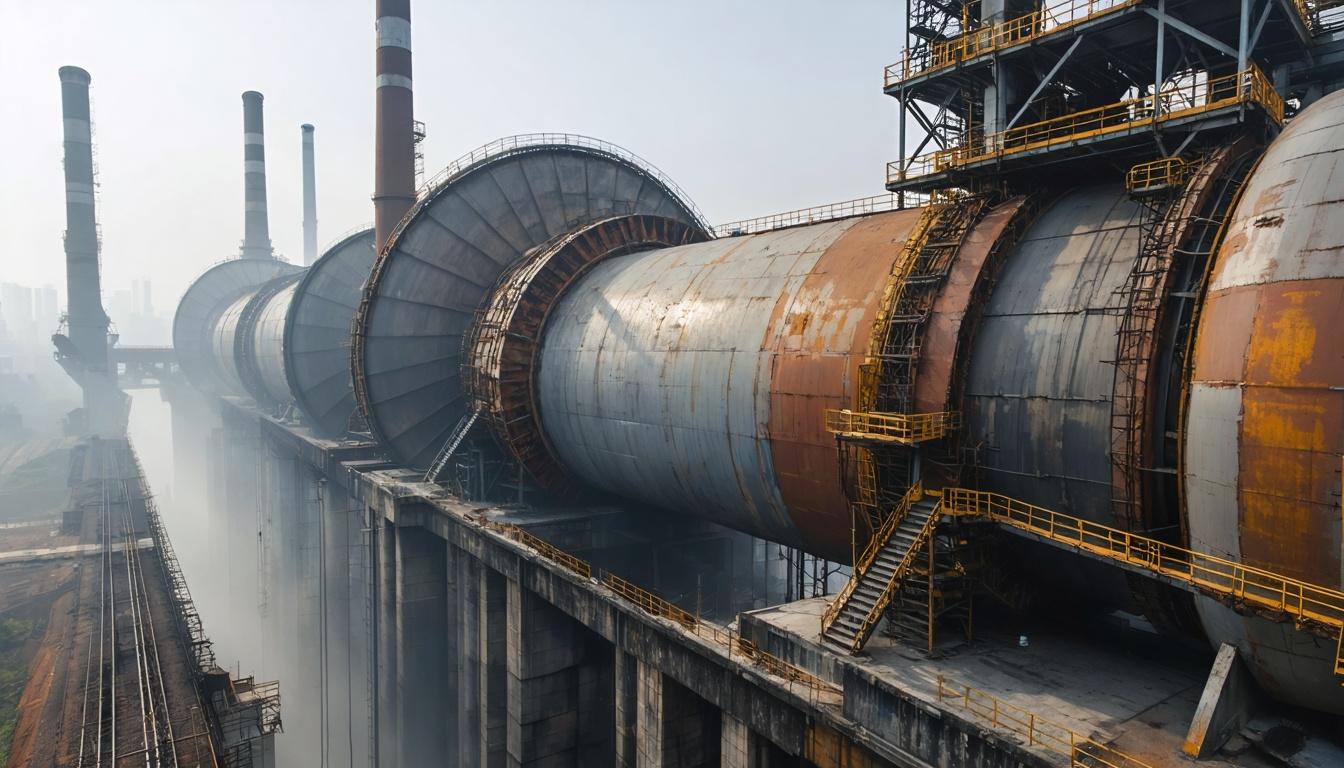
*this image is generated using AI for illustrative purposes only.
The Board of Directors of Nimbus Projects Limited approved acting as a guarantor for a secured term loan facility of up to ₹23.00 crore availed by its partnership firm subsidiary, IITL-Nimbus, The Express Park View. This decision, finalized during a board meeting held on July 27, 2026, enables the subsidiary to secure financing from ICICI Bank Limited at an interest rate of 10.10% per annum for a period of 36 months. The funds are designated for repaying existing term loans utilized for ongoing project costs and funding further project expenses, excluding land, TDR, and FSI costs.
This disclosure serves as a corrigendum to the company’s earlier intimation dated July 27, 2026, submitted pursuant to Regulation 30 of the SEBI (Listing Obligations and Disclosure Requirements) Regulations, 2015. The correction was issued in response to queries from the Bombay Stock Exchange regarding the specific commencement and conclusion times of the board meeting. The meeting commenced at 01:00 p.m. and concluded at 03:00 p.m. on July 27, 2026.
Loan Structure and Security
The credit arrangement, sanctioned via a letter dated July 20, 2026, involves the disbursement of the ₹23.00 crore term loan in various tranches over time. The facility is secured by multiple charges provided by the borrower, ensuring risk mitigation for the lender.
| Security Type | Asset Description |
|---|---|
| Equitable Mortgage | First Pari Passu charge on approx. 52,493.16 sq. mtrs. at Plot No. GH-03, Sector CHI-V, Greater Noida |
| Equitable Mortgage | First Pari Passu charge on unsold units of the project, including cancellations of sold units |
| Hypothecation | First Pari Passu charge on future Scheduled Receivables and all insurance proceeds |
| Hypothecation | First Pari Passu charge on Escrow Accounts of the Project |
| Hypothecation | Exclusive charge on DSR Account monies and related investments |
Financial Implications
The loan facility is structured to support the liquidity needs of the borrower group by refinancing existing debt while providing capital for ongoing construction activities. The interest rate of 10.10% per annum applies to the rupee term loan component. Nimbus Projects Limited’s role as guarantor exposes it to contingent liabilities up to the full amount of the facility, although the security structure places primary recourse on the project assets and receivables.
What the Numbers Show
The allocation of the ₹23.00 crore loan specifically excludes land, Transferable Development Rights (TDR), and Floor Space Index (FSI) costs from the repayment scope of existing loans. This suggests that the current borrowing is targeted strictly at operational and construction-related expenditures rather than land acquisition or regulatory premium payments. The reliance on first pari passu charges across multiple asset classes—land, unsold inventory, and receivables—indicates a comprehensive collateral package designed to secure the entire tenor of the 36-month facility.
Historical Stock Returns for Nimbus Projects
| 1 Day | 5 Days | 1 Month | 6 Months | 1 Year | 5 Years |
|---|---|---|---|---|---|
| +3.01% | -3.75% | +7.50% | -7.14% | -8.16% | -8.16% |

How will the 10.10% interest cost impact Nimbus Projects Limited's net profit margins over the next 36 months, and does this rate reflect current market trends for real estate debt?
Given that land and FSI costs are excluded from this refinancing, what is the projected timeline for securing additional capital to cover these significant upfront project expenses?
What are the potential risks to Nimbus Projects Limited's balance sheet if the subsidiary fails to meet repayment obligations, considering the full contingent liability exposure?
 15
15








 Create Custom Screeners
  Access 200+ Pre-built Filters
  Use 50+ Readymade Screener





