

Nike CEO says turnaround taking longer than expected


Nike Inc. CEO Elliott Hill acknowledged that the company’s restructuring process is taking longer than initially anticipated due to the magnitude of its challenges and external factors like U.S. tariffs and rising oil prices. Analysts at RBC Capital Markets have revised their outlook, pushing expected gains from the turnaround plan to 2027 rather than 2026, while warning of potential market-share losses. Despite North America posting 3% revenue growth in the third quarter, international markets face headwinds, with China remaining a key concern due to elevated inventory levels.



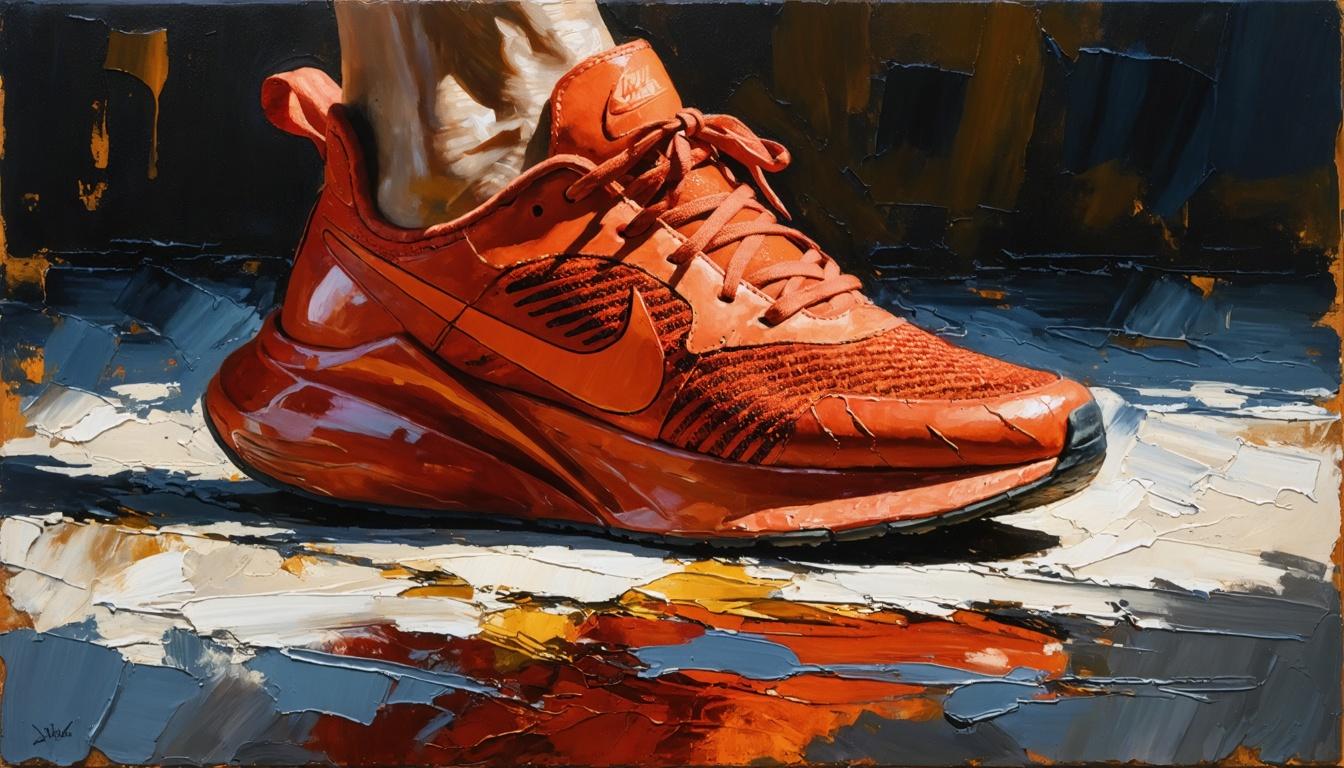
*this image is generated using AI for illustrative purposes only.
Nike Inc. Chief Executive Officer Elliott Hill acknowledged that the company’s restructuring process is taking longer than initially anticipated due to the magnitude of its challenges. Hill attributed the delay to external factors, including U.S. tariffs and increasing oil prices, which have impacted consumer spending. The CEO emphasized that the company still has significant work to do, particularly in achieving global consistency across its brand, product, and marketing experience, before revenue and profit growth will follow.
In an interview with The Financial Times, Hill noted that he did not realize the extent of the work required until he assumed the role. He expects the full impact of Nike’s restructuring to become evident early next year as new products roll out across markets and business segments. The company is currently focusing on enhancing its operating overhead and structure for efficiency, with updates for shareholders anticipated at the November investor day.
Analysts Extend Recovery Timeline
Analysts at RBC Capital Markets have revised their outlook for Nike, noting that the turnaround is progressing slower than expected. The firm indicated that Nike’s biggest hurdle remains reviving consumer demand. Consequently, the expected gains from Hill’s turnaround plan have been pushed to 2027 rather than 2026. RBC lowered its profit forecasts for 2027 and 2028 and warned of potential market-share losses, expecting Nike’s revenue growth to trail the industry average.
Strategic Challenges and Performance
Nike’s strategic shift toward higher-margin direct-to-consumer sales reduced its retail presence just as in-store shopping rebounded post-pandemic, allowing rivals like On and Hoka to gain ground. Additionally, the company’s pivot toward lifestyle products weakened its performance-driven brand image, while local competitors captured market share in China. Critics have also cited a stale product lineup with reduced cultural relevance as a contributing factor to the slowdown.
Previously, analysts at Needham observed that Nike expects revenue declines to persist before improving toward the end of the year, with earnings likely to remain largely flat. While North America posted 3% revenue growth in the third quarter, international markets continue to face headwinds, with China remaining a key concern due to elevated inventory levels. Despite these challenges, Nike’s performance-focused products are gaining traction, and newer styles are resonating with consumers.
| Metric | Value |
|---|---|
| Year-to-date stock decline | 29.05% |
| Recent daily gain | 2.29% |
| Closing price | $45.20 |

What specific product innovations will Nike introduce early next year to drive the anticipated restructuring impact?
How will Nike balance efficiency improvements with the need to invest in reviving its performance-driven brand image?
What strategies will Nike employ to regain market share in China amid elevated inventory levels and local competition?
 16
16








 Access 50+ Readymade Screeners
  Use 200+ Custom Filters
  Get Full Market Insights





