

New Jersey bill could block Tesla robotaxis over lidar stance


A proposed bill in New Jersey requiring autonomous vehicles to use lidar or radar alongside cameras could block Tesla Inc's robotaxis from operating in the state. The legislation, expected to be voted on later this year, would establish a three-year pilot program mandating multi-sensor technology and 50,000 miles of supervised testing. Tesla CEO Elon Musk has consistently rejected lidar and radar in favor of camera-only systems, putting the company at odds with the proposed safety regulations.


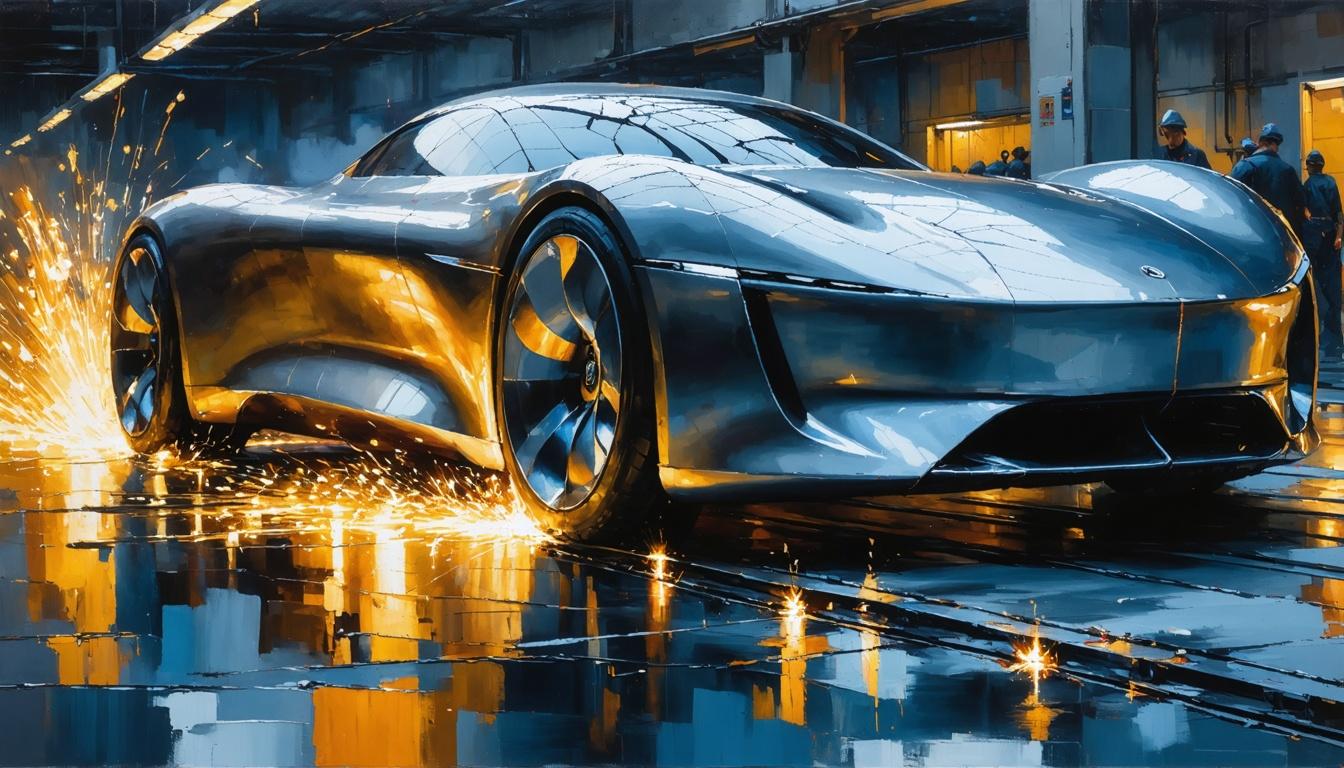
*this image is generated using AI for illustrative purposes only.
Tesla Inc faces a potential roadblock to its robotaxi expansion in New Jersey due to a proposed state law mandating the use of lidar and radar alongside cameras. The bill, expected to be voted on by state lawmakers later this year, would require autonomous vehicle operators to utilize multiple sensing technologies. This legislative move directly challenges Tesla CEO Elon Musk's strategy of relying exclusively on camera-based technology for his company's autonomous driving efforts.
The proposed legislation aims to establish a three-year pilot program for the testing and deployment of fully autonomous vehicles in New Jersey. Under the rules of the bill, companies would be mandated to use cameras in conjunction with other sensing technologies such as lidar or radar. Additionally, the law requires operators to complete 50,000 miles of supervised testing within the state before human safety drivers can be removed from the vehicles. Companies would also be obligated to report specific crashes to regulators.
New Jersey State Senator Andrew Zwicker, the primary sponsor of the bill and a physicist at the Princeton Plasma Physics Laboratory, emphasized that the legislation is focused on safety rather than targeting any specific manufacturer. Zwicker cited a ride in a Waymo robotaxi in Phoenix as a pivotal experience that convinced him of the potential benefits of autonomous transportation. Waymo, a unit of Alphabet Inc, utilizes lidar, radar, and cameras in its vehicles, contrasting with Tesla's approach.
Musk has long argued that cameras, powered by artificial intelligence, are superior to lidar and radar for autonomous driving. He has contended that lidar and radar can reduce safety due to sensor contention, stating last year that Tesla turned off radars to increase safety. While competitors like Waymo and Zoox employ a combination of all three sensing methods to enhance vehicle reliability, Tesla has maintained its camera-only stance to lower production costs.
The passage of the bill would force Tesla to either alter its technological approach or abandon the New Jersey market. The situation highlights the growing challenge of varying state regulations for autonomous vehicle manufacturers. Tesla once promised to have hundreds of thousands of fully self-driving vehicles on the roads by the end of 2026, a goal that remains unmet as the company currently operates unsupervised robotaxis in a limited number of states. New York is reportedly considering similar legislation, which could further complicate expansion plans for camera-only autonomous systems.

Could Tesla alter its hardware architecture to include lidar and radar for specific markets like New Jersey, or will the company choose to exit those regions entirely?
If New York enacts similar legislation, will a regional regulatory patchwork force Tesla to abandon its camera-only strategy on a national level?
How will the requirement for 50,000 miles of supervised testing impact Tesla's timeline for launching unsupervised robotaxi services in New Jersey?
 17
17




 Create Custom Screeners
  Access 200+ Pre-built Filters
  Use 50+ Readymade Screener





