

NDTV adopts Amagi AdFlow Orchestrator to boost FAST and CTV monetization


- NDTV adopts Amagi's AdFlow Orchestrator for FAST and CTV platforms
- Solution restructures 15-18 minute linear ad breaks into shorter segments
- Aims to reduce viewer drop-off and unlock new monetization opportunities
- Disclosure filed with BSE and NSE on October 22, 2026


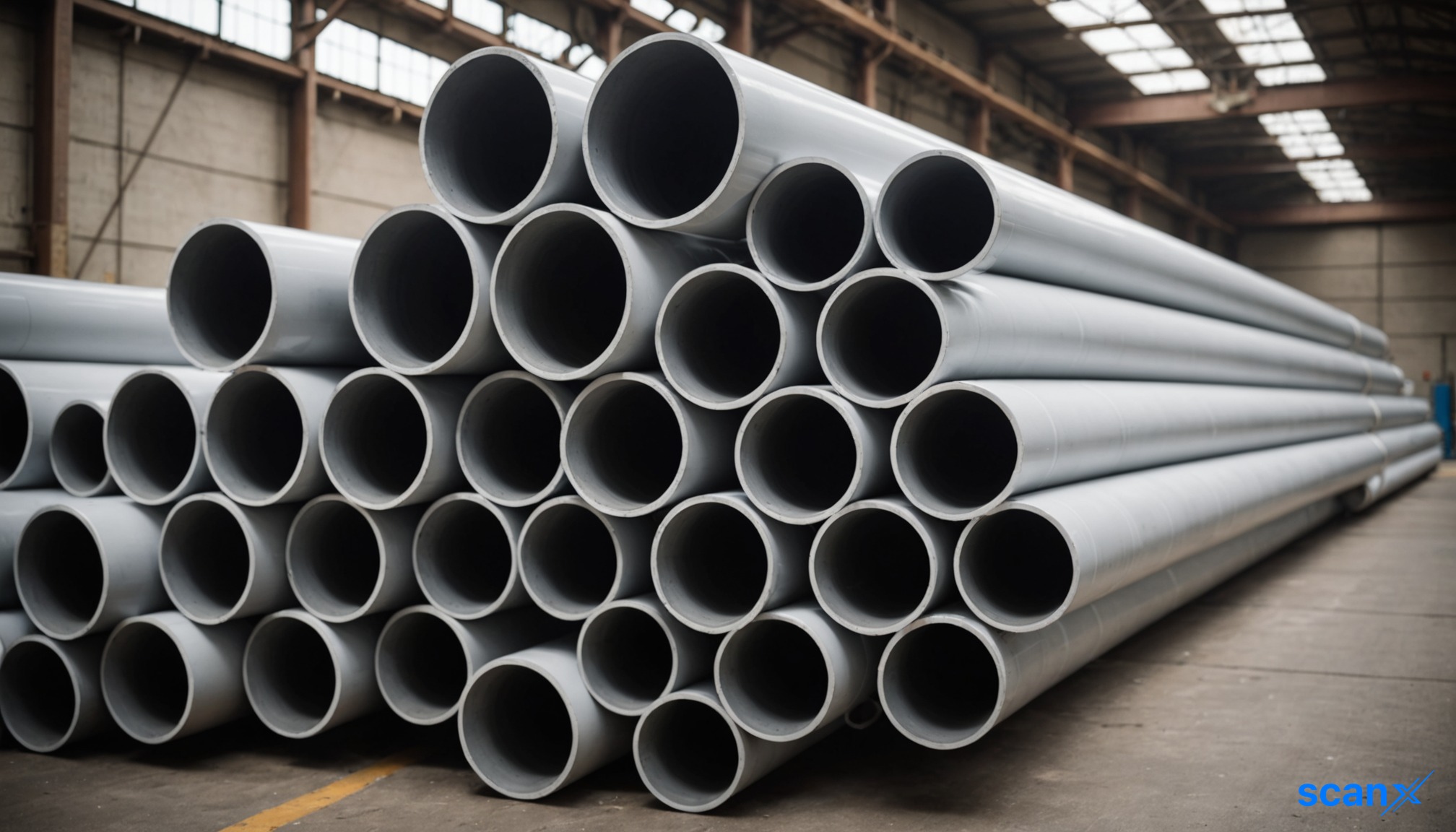
*this image is generated using AI for illustrative purposes only.
Amagi Media Labs Limited announced that NDTV has adopted its AdFlow Orchestrator solution to enhance advertising performance on Free Ad-supported Streaming TV (FAST) and Connected TV (CTV) platforms. This adoption aims to resolve viewer drop-off issues caused by long linear ad breaks, thereby unlocking new monetization opportunities for the broadcaster.
The disclosure was made via a press release dated October 22, 2026, filed with the BSE and National Stock Exchange of India under Regulation 30 of the SEBI (Listing Obligations and Disclosure Requirements) Regulations, 2015. The move highlights the growing need for broadcasters to adapt traditional linear workflows for digital streaming environments.
Addressing Linear vs. Streaming Ad Dynamics
Indian news broadcasters like NDTV typically carry commercial breaks ranging from 15 to 18 minutes per hour-segment in their linear feeds. These long, uninterrupted breaks often conflict with FAST and CTV platform requirements, leading to weaker viewing experiences and missed revenue. Standard linear ad structures do not translate effectively to streaming platforms, which have specific ad load limits and user experience standards.
Amagi’s AdFlow Orchestrator automatically conditions and restructures SCTE-35 ad markers for each distribution partner. By aligning broadcast signals with streaming platform specifications, the system ensures every ad opportunity is valid and optimized for maximum yield. The solution breaks down long ad breaks into shorter, platform-specific segments without requiring NDTV to re-edit or separately produce its feeds.
Key Operational Enhancements
The engagement includes several custom capabilities designed to improve the on-air experience:
- Automatic restructuring of long ad breaks into shorter segments.
- Enhanced editorial control over content and playback timing.
- Improved variety across promotional content.
- Visibility tools providing insights into system performance.
- On-air transitions around ad and interstitial content.
Strategic Implications for Broadcasters
This partnership underscores a broader industry trend where traditional broadcasters are leveraging technology to bridge the gap between linear TV operations and digital streaming demands. By automating the adaptation of ad markers, broadcasters can maintain their existing workflows while maximizing revenue from newer distribution channels.
Gautam Shelar, Director of Growth & Digital Strategy at NDTV, noted that the solution allows them to adapt advertising for streaming audiences without reworking feeds or workflows. Jay Ganesan, SVP-Sales APAC at Amagi, emphasized that the platform helps broadcasters bring advertising into the FAST era without disrupting current operations.
What the Numbers Show
While specific financial figures for this deal are not disclosed, the operational metrics highlight a clear efficiency gain: reducing ad break lengths from 15 to 18 minutes to shorter, compliant segments directly addresses the primary cause of viewer churn on FAST platforms. This structural change is designed to improve ad fill rates, suggesting a potential uplift in effective CPMs by ensuring higher inventory validity and reachability.
Historical Stock Returns for Amagi Media Labs
| 1 Day | 5 Days | 1 Month | 6 Months | 1 Year | 5 Years |
|---|---|---|---|---|---|
| -0.29% | -0.97% | +0.16% | +50.81% | +62.35% | +62.35% |

How will the adoption of AdFlow Orchestrator impact NDTV's effective CPM rates and overall ad revenue yield on FAST platforms in the coming quarters?
Are other major Indian broadcasters planning similar technological integrations to address linear-to-streaming ad break discrepancies?
What specific regulatory or platform-specific ad load limits are driving the need for automated SCTE-35 marker restructuring in the Indian market?
 20











 Access Market Heat-map & Insights
 Create, Save & Share your Screener
 Use 200+ Screening Filters





