

Musk's net worth falls to $792 billion as Tesla, SpaceX slump


Elon Musk’s net worth fell to $792 billion from $1.32 trillion due to significant drops in Tesla and SpaceX stocks. Tesla is down 23% from its peak, and SpaceX bonds are nearing junk status. Both companies face high valuations and competitive challenges, with earnings reports due soon.


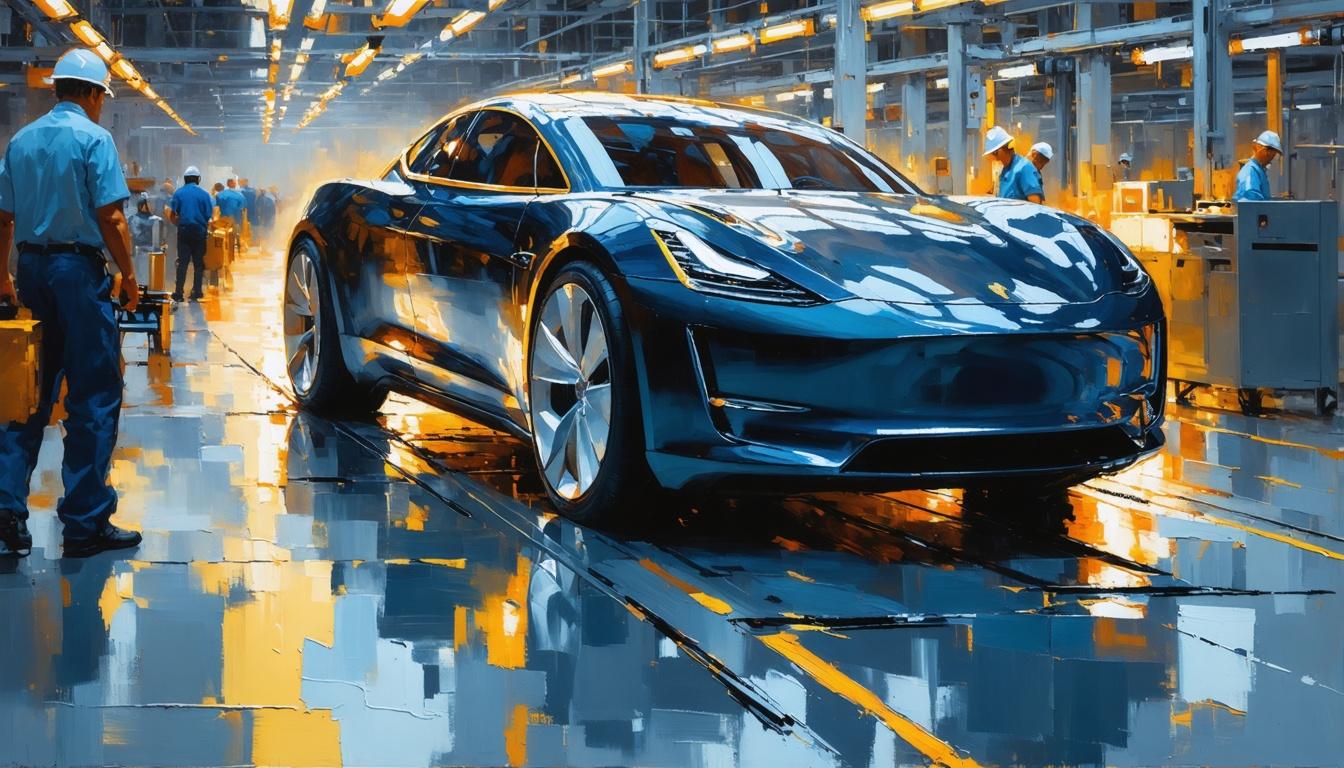
*this image is generated using AI for illustrative purposes only.
Elon Musk’s net worth has declined to $792 billion from a high of $1.32 trillion last month, as shares of Tesla and SpaceX continue to fall. The drop has erased hundreds of billions of dollars from his fortune, though he remains the world’s richest person with wealth exceeding that of the next two billionaires combined. Bloomberg data indicates that Google’s Larry Page and Sergey Brin hold a combined worth of $297 billion and $276 billion, respectively.
The majority of Musk’s wealth is concentrated in Tesla and SpaceX, with remaining interests in private entities such as The Boring Company and Neuralink. Neuralink raised funds at a $9 billion valuation last year, while The Boring Company is valued at $5.6 billion.
Financial Performance and Valuation
Tesla is currently in a bear market, having fallen 23% from its highest point this year. SpaceX, which went public last month, has dropped to a record low, erasing over $1 trillion in value. The sell-off persisted following a launch abort due to an engine failure. Additionally, SpaceX’s bond yields have risen, moving towards junk status; a $100 million allocation in its 2056 bonds is now worth approximately $90 million.
| Company | Key Metric | Value |
|---|---|---|
| Tesla | Decline from 2025 high | 23% |
| SpaceX | Value erased | >$1 trillion |
| SpaceX | 2056 Bond Value (on $100m allocation) | ~$90 million |
| Neuralink | Valuation | $9 billion |
| The Boring Company | Valuation | $5.6 billion |
Operational Challenges and Outlook
Despite a jump in Tesla’s second-quarter deliveries, the company faces intensifying competition in key markets like China and Europe. SpaceX is encountering elevated costs in its AI business due to rising prices for memory, semiconductors, and servers. Its AI product, Grok, trails market leaders ChatGPT and Claude. Furthermore, SpaceX faces stiff competition in the satellite launch sector from Rocket Lab, Firefly Aerospace, and Blue Origin, while burning billions of dollars in cash.
Both companies maintain high valuations relative to earnings. Tesla has a forward price-to-earnings ratio of 178, while SpaceX trades at a forward price-to-sales ratio of 41. Upcoming earnings releases will be critical indicators for future performance, with Tesla reporting results on Wednesday and SpaceX expected to announce numbers in August.

Will Tesla's high forward P/E ratio of 178 compress further if competition in China and Europe intensifies?
Can SpaceX stabilize its bond yields and stock price following the recent engine failure and valuation drop?
How will rising costs in SpaceX's AI business impact its ability to compete with market leaders like ChatGPT and Claude?
 17
17







 Access 50+ Readymade Screeners
  Use 200+ Custom Filters
  Get Full Market Insights





