

Micron Latest Results: Citi cuts price target to $1,150


Citigroup lowered Micron's price target to $1,150, citing slowing memory pricing momentum and rising competition from Chinese manufacturers. While Citi warns of peak prices in Q2 next year, Trivariate Research CEO Adam Parker sees upside, noting Micron's improving balance sheet and high gross margins. Analysts estimate Micron's upcoming earnings at $31.29 per share, a sharp rise from $3.03 a year earlier.


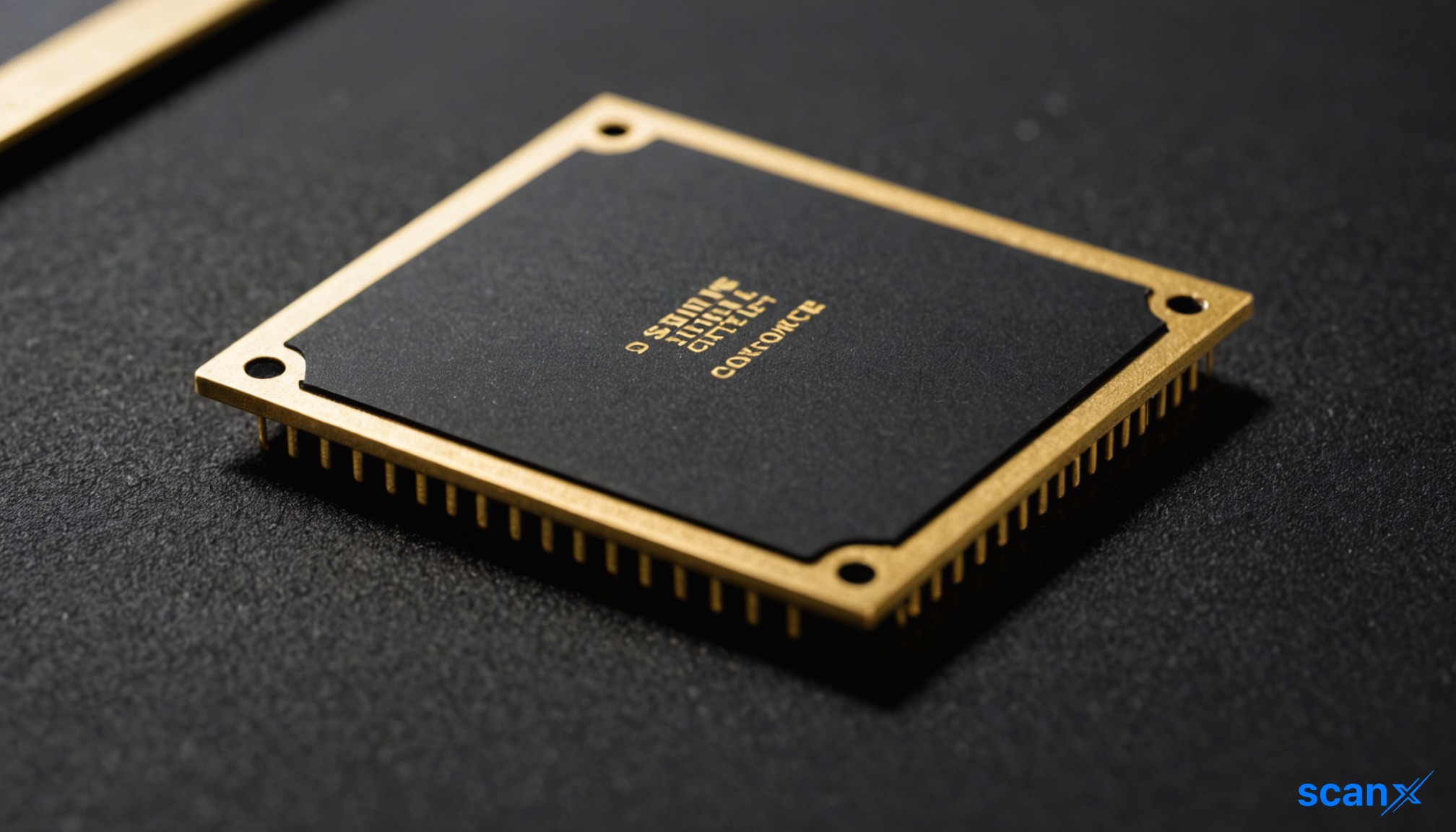
*this image is generated using AI for illustrative purposes only.
Micron Technology Inc stock gained about 1% in Monday premarket trading as investors weighed longer-term growth prospects against Citigroup’s warning of slowing memory pricing momentum and rising competition from Chinese manufacturers. On Aug. 7, 2026, Citigroup analyst Atif Malik maintained a Buy rating on Micron but lowered his price forecast to $1,150 from $1,400. The firm expects memory pricing momentum to slow over the next year, even as DRAM and NAND prices continue to rise from current levels, with prices expected to peak in the second quarter of next year.
The more cautious outlook reflects concerns that the current memory upcycle could lose momentum as supply expands and pricing growth moderates. Citi reduced its valuation multiple and lowered its fiscal 2027 and fiscal 2028 earnings estimates. The firm identified rising Chinese memory capacity as the biggest long-term risk to its Micron thesis, stating that additional NAND and DRAM supply from China could pressure Micron’s pricing power outside the U.S., even if American restrictions limit Chinese companies’ access to the U.S. market.
Despite these risks, Trivariate Research CEO Adam Parker told CNBC on Aug. 7, 2026, that Micron could double by the end of the cycle. Parker argued that investors may already be pricing in too much earnings deterioration after the eventual peak. He noted that investors are focusing too heavily on Micron’s income statement and not enough on its improving balance sheet, pointing to the company’s revenue outlook, high gross margins, and potential to generate substantial free cash flow over the next several years.
Parker said Micron, NVIDIA Corp, and other compute-related stocks could trade meaningfully higher over the next 12 months, though he expects the group to advance in a steadier grind rather than through another sharp rally. He advised investors to manage their exposure to AI semiconductor stocks through broader diversification because volatility remains elevated.
Analyst Estimates and ETF Exposure
Micron’s next major scheduled catalyst is its earnings report, estimated for Sept. 22, 2026. Analysts expect earnings of $31.29 per share, up sharply from $3.03 a year earlier. Revenue is estimated at $50.82 billion, compared with $11.31 billion in the year-ago period. Micron trades at a price-to-earnings ratio of about 19.8.
Micron carries significant weight in several technology and semiconductor exchange-traded funds, meaning significant inflows or outflows from these ETFs can contribute to buying or selling pressure in the stock.
| ETF Name | Ticker | Weighting |
|---|---|---|
| Invesco PHLX Semiconductor ETF | SOXQ | 8.91% |
| State Street SPDR NYSE Technology ETF | XNTK | 8.75% |
| Invesco AI and Next Gen Software ETF | IGPT | 8.71% |
What the Numbers Show
The divergence between Citigroup’s caution regarding supply-side risks from China and Trivariate Research’s optimism based on balance sheet strength highlights the dual nature of Micron’s current position. While near-term pricing power faces headwinds from expanding global supply, the company’s projected revenue surge to $50.82 billion suggests strong underlying demand for memory chips, particularly in AI-driven compute applications.

How might Micron's upcoming September 2026 earnings report clarify whether the market has already overpriced the potential earnings deterioration warned by Citigroup?
What specific supply-side constraints or policy measures could mitigate the long-term pricing pressure from expanding Chinese memory capacity outside the U.S. market?
If memory prices peak in Q2 2027 as predicted, how will Micron's high gross margins and free cash flow generation sustain its valuation multiple during the subsequent downcycle?
 16
16









 Access 50+ Readymade Screeners
  Use 200+ Custom Filters
  Get Full Market Insights





