

Micron Q2 Results: DRAM share hits 25%, narrows gap with SK Hynix


Micron Technology gains market share in DRAM, reaching 25% in Q2 2026, just behind SK Hynix's 26%. Samsung leads with 39%. Stock rises 4% premarket ahead of Sept 22 earnings, where analysts expect EPS of $31.24 and revenue of $50.72 billion, driven by AI demand.


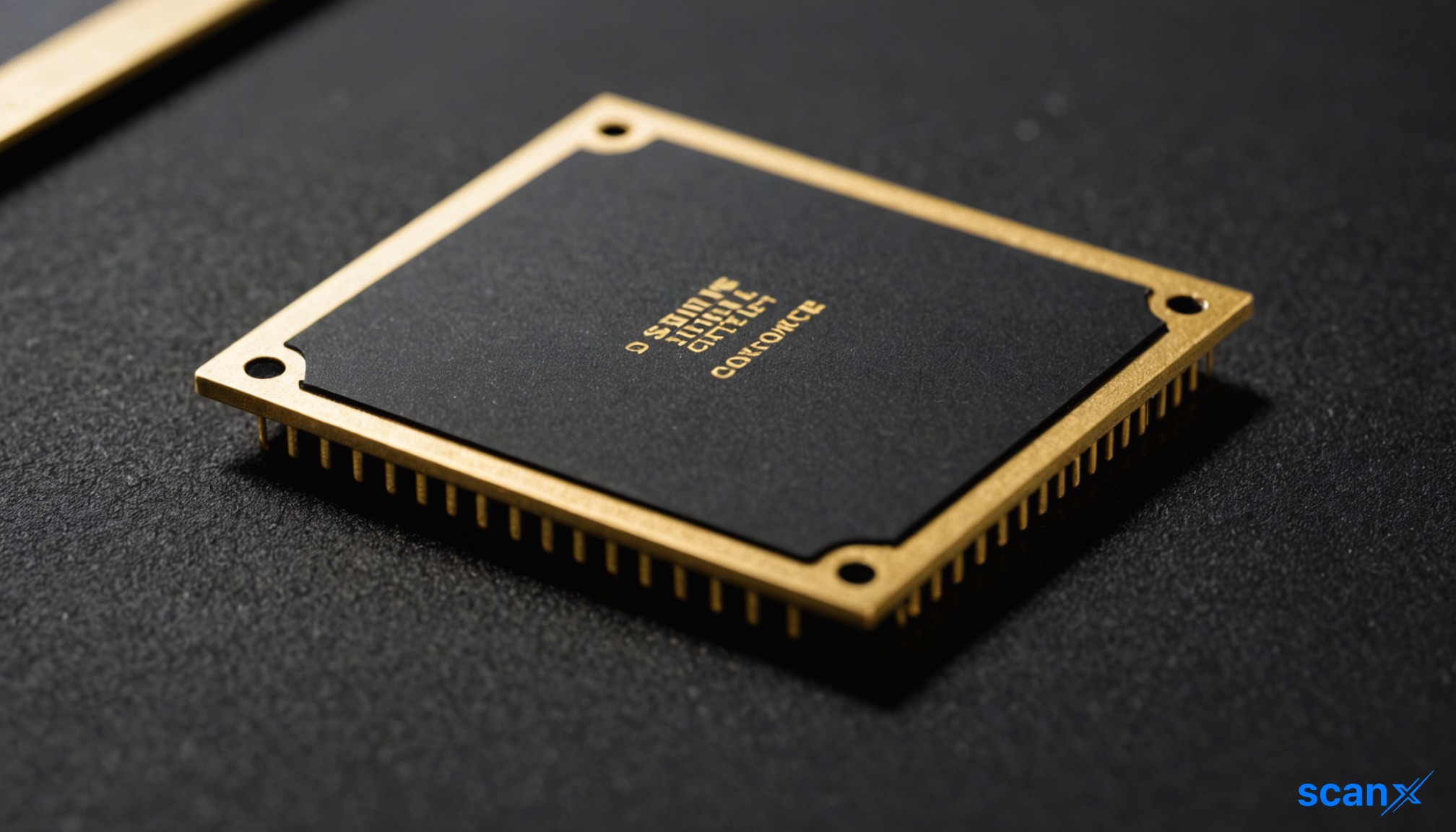
*this image is generated using AI for illustrative purposes only.
Micron Technology Inc. shares rose nearly 4% in Tuesday’s premarket session as investors rotated into semiconductor stocks amid improving risk appetite and shifting competitive dynamics in the memory market. The rally was driven by fresh industry data from Counterpoint Research showing that Micron captured a 25% share of global DRAM revenue in the second quarter of 2026. This gain places Micron just one percentage point behind SK Hynix Inc., which holds a 26% share, while Samsung Electronics Co. Ltd. remains the market leader with a 39% share. The shift underscores how sustained artificial intelligence infrastructure spending and tight global memory supply are reshaping the competitive landscape, putting pressure on SK Hynix as Micron closes in.
The market reaction reflects broader sentiment improvements across the chip sector. Nasdaq futures rose 0.59%, while S&P 500 futures added 0.15%. Demand for both conventional DRAM used in CPUs and high-bandwidth memory (HBM) used in AI GPUs has continued to outpace supply since late 2023, supporting pricing and revenue growth across the industry. Micron has emerged as one of the biggest beneficiaries of this AI spending cycle, leveraging its position in high-bandwidth memory to gain ground against rivals.
Earnings And Analyst Outlook
Investors are now looking ahead to Micron’s estimated Sept. 22 earnings report as the next major catalyst. Wall Street expects earnings per share of $31.24, a substantial increase from $3.03 a year earlier. Revenue is projected at $50.72 billion, compared with $11.31 billion in the prior-year period. These figures highlight the explosive growth trajectory driven by AI-related demand.
| Metric | Current Estimate | Prior Year | Change |
|---|---|---|---|
| EPS | $31.24 | $3.03 | Significant Growth |
| Revenue | $50.72 billion | $11.31 billion | Significant Growth |
The stock carries a consensus Buy rating with an average analyst price forecast of $1,548.86. Recent analyst actions include KeyBanc raising its price forecast to $1,750 in July and Cantor Fitzgerald maintaining an Overweight rating while lifting its forecast to $2,000 in late June. These upward revisions signal strong confidence in Micron’s ability to capitalize on the ongoing AI infrastructure build-out.
What The Numbers Show
The narrowing gap between Micron and SK Hynix is particularly notable given the oligopolistic nature of the DRAM market. With only three major players controlling over 90% of the market, a one-percentage-point shift represents significant revenue reallocation. Micron’s ability to capture 25% of global DRAM revenue in Q2 2026 suggests it is successfully converting high-bandwidth memory demand into market share gains, challenging SK Hynix’s previous dominance in the AI memory segment. This competitive pressure may force rivals to adjust pricing or capacity strategies in subsequent quarters.
Fund Flows And Price Action
Micron is among the largest holdings in several semiconductor and AI-focused ETFs, including the Invesco PHLX Semiconductor ETF (NASDAQ: SOXQ), Invesco AI and Next Gen Software ETF (NYSE: IGPT), and Fidelity Disruptive Technology ETF (NASDAQ: FDTX). Strong inflows into these funds can provide an additional source of demand for the stock. According to Benzinga Pro data, Micron Technology shares were trading higher by 3.23% at $856.32 during premarket trading on Tuesday.

How might SK Hynix and Samsung adjust their pricing or capacity strategies in response to Micron's narrowing market share gap?
What specific risks could disrupt the projected 350% year-over-year revenue growth for Micron ahead of the September 22 earnings report?
Could sustained high-bandwidth memory demand lead to a supply surplus by late 2026, potentially compressing profit margins for all major memory manufacturers?
 17
17









 Access 50+ Readymade Screeners
  Use 200+ Custom Filters
  Get Full Market Insights





