

Max Estates shareholders approve Delhi land acquisition; 99% vote in favour


- Max Estates shareholders approved acquisition of 84.7-acre Delhi land parcel via EGM
- Ordinary resolution on related party transactions passed with 99.9998% assent
- Special resolution on preferential share swap passed with 99.9488% assent
- Acquisition secures 100% stake in nine land-owning companies in Najafgarh

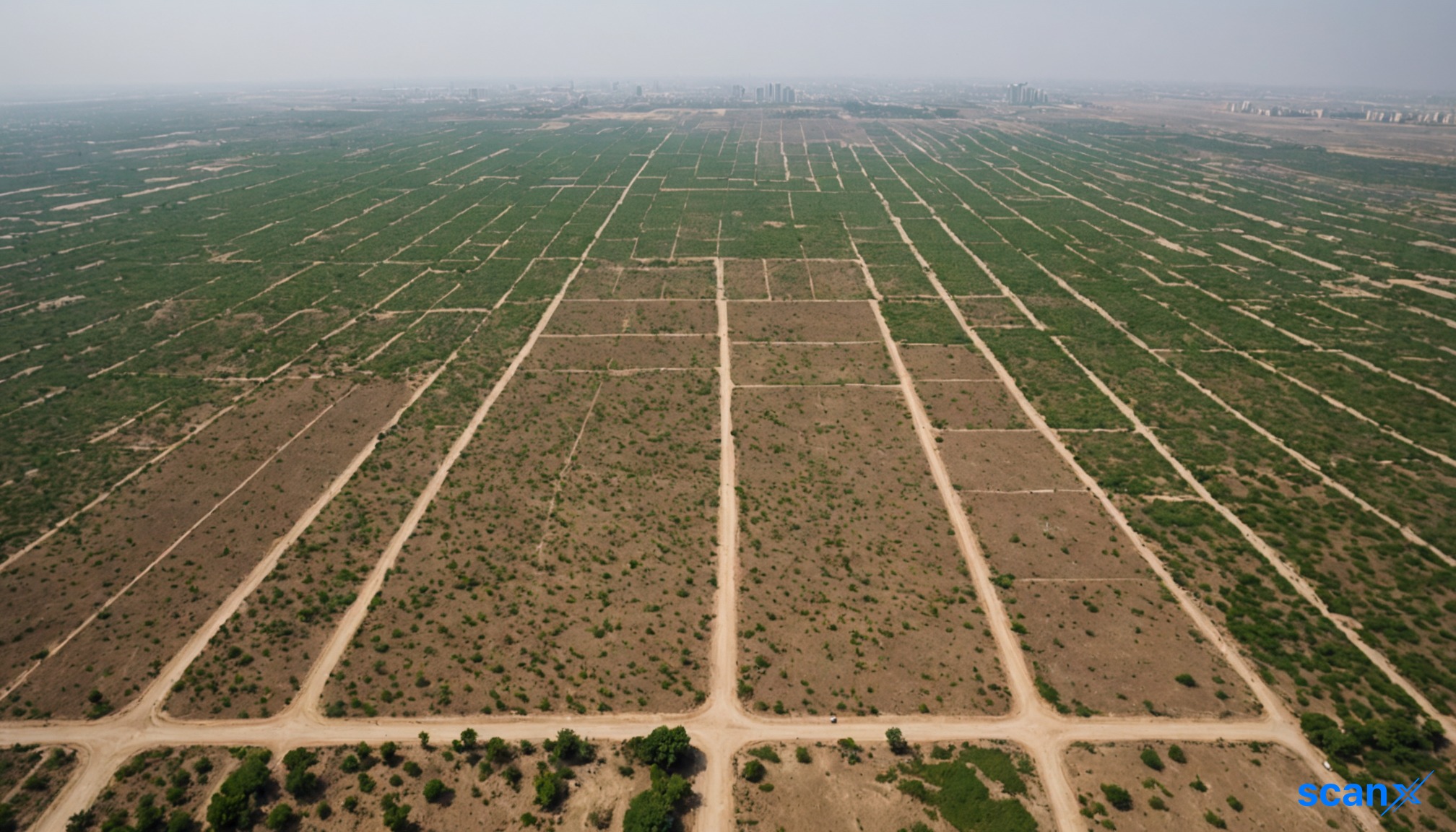

*this image is generated using AI for illustrative purposes only.
Max Estates Limited shareholders approved the acquisition of 100% stake in nine land-owning companies during an Extra-Ordinary General Meeting held on September 24, 2026. The transaction secures approximately 84.7 acres of land in Sector 3, Najafgarh, Delhi, marking a significant expansion of the company's real estate portfolio.
The meeting, conducted via Video Conferencing from 12:30 pm to 1:14 pm IST, addressed two key items of special business. These included the approval of material related party transactions connected to the proposed acquisition and the preferential issue of equity shares as consideration other than cash, commonly known as a share swap.
Voting results and approval margins
The company has released the consolidated scrutinizer's report, confirming that all resolutions passed with a substantial majority. For the ordinary resolution regarding material related party transactions, 99.9998% of valid votes were cast in favour. Only 53 votes were recorded against this resolution.
The special resolution for the preferential issue of equity shares (share swap) received an assent of 99.9488%. Dissenting votes stood at 45,418, representing 0.0512% of the total valid votes polled.
| Resolution Type | Particulars | Votes in Favour (%) | Votes Against (%) |
|---|---|---|---|
| Ordinary | Approval of material related party transactions for acquisition of securities in land-owning companies | 99.9998 | 0.0002 |
| Special | Approval for preferential issue of equity shares for consideration other than cash (share swap) | 99.9488 | 0.0512 |
Meeting proceedings and approvals
Anajit Singh, Chairman of Max Estates, chaired the session and briefed shareholders on the strategic rationale behind acquiring the securities held in the land-owning companies. The company confirmed that the requisite quorum was present throughout the meeting. Statutory auditors and secretarial auditors were also in attendance to ensure compliance with regulatory standards.
Voting was conducted through remote e-voting, which opened on September 21, 2026, and closed on September 23, 2026. Shareholders who did not vote remotely were allowed to cast their votes electronically during the live VC session. The results of the voting are scheduled to be announced within two working days and will be displayed on the company’s website and stock exchange platforms.
Strategic implications
This acquisition represents a major consolidation of land assets in the National Capital Region. By moving towards a fully diluted ownership structure of these nine entities, Max Estates aims to streamline its land bank management. The use of a share swap mechanism allows the company to fund this acquisition without immediate cash outflow, preserving liquidity for development activities.
The approval of related party transactions indicates that some of the target entities may have existing ties with the promoter group or associated entities, requiring strict adherence to SEBI (Listing Obligations and Disclosure Requirements) Regulations, 2015. This structural move is expected to enhance transparency and align interests between the listed entity and the underlying asset owners.
Historical Stock Returns for Max Estates
| 1 Day | 5 Days | 1 Month | 6 Months | 1 Year | 5 Years |
|---|---|---|---|---|---|
| -2.89% | -6.41% | -16.24% | +28.04% | +2.57% | +75.78% |

How will the dilution of existing shareholder equity from the preferential share swap impact Max Estates' future earnings per share and valuation multiples?
What specific regulatory approvals from SEBI or the Delhi Development Authority are still pending before the transfer of land titles for the nine entities can be completed?
Given the related party nature of the transaction, how will the company mitigate potential conflicts of interest in future development decisions involving these newly acquired assets?
 17
17










 Access 50+ Readymade Screeners
  Use 200+ Custom Filters
  Get Full Market Insights





