

Maruti Suzuki to raise prices by ₹30,000 from June 2026


Maruti Suzuki has announced a price hike of up to ₹30,000 across its vehicle portfolio effective June 2026. The decision is attributed to sustained inflation and rising input costs, despite the company's ongoing efforts to absorb these expenses through cost reduction measures.


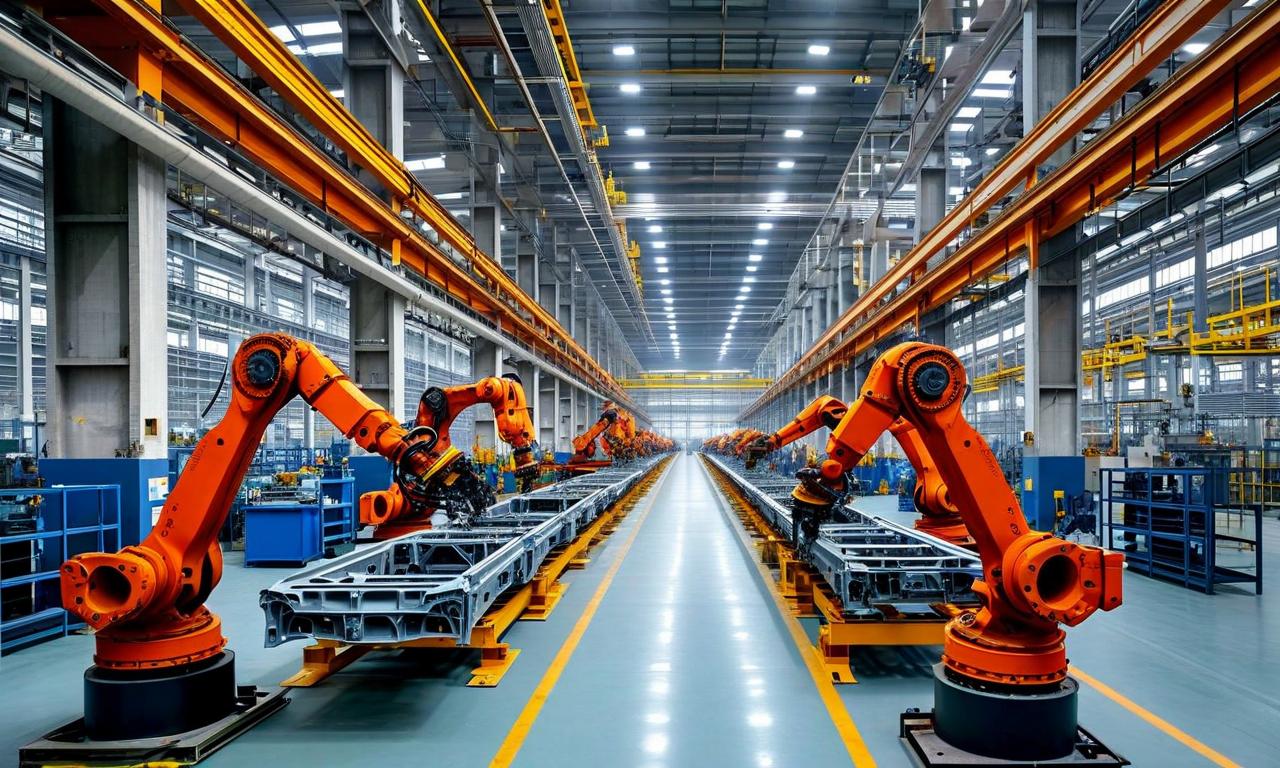
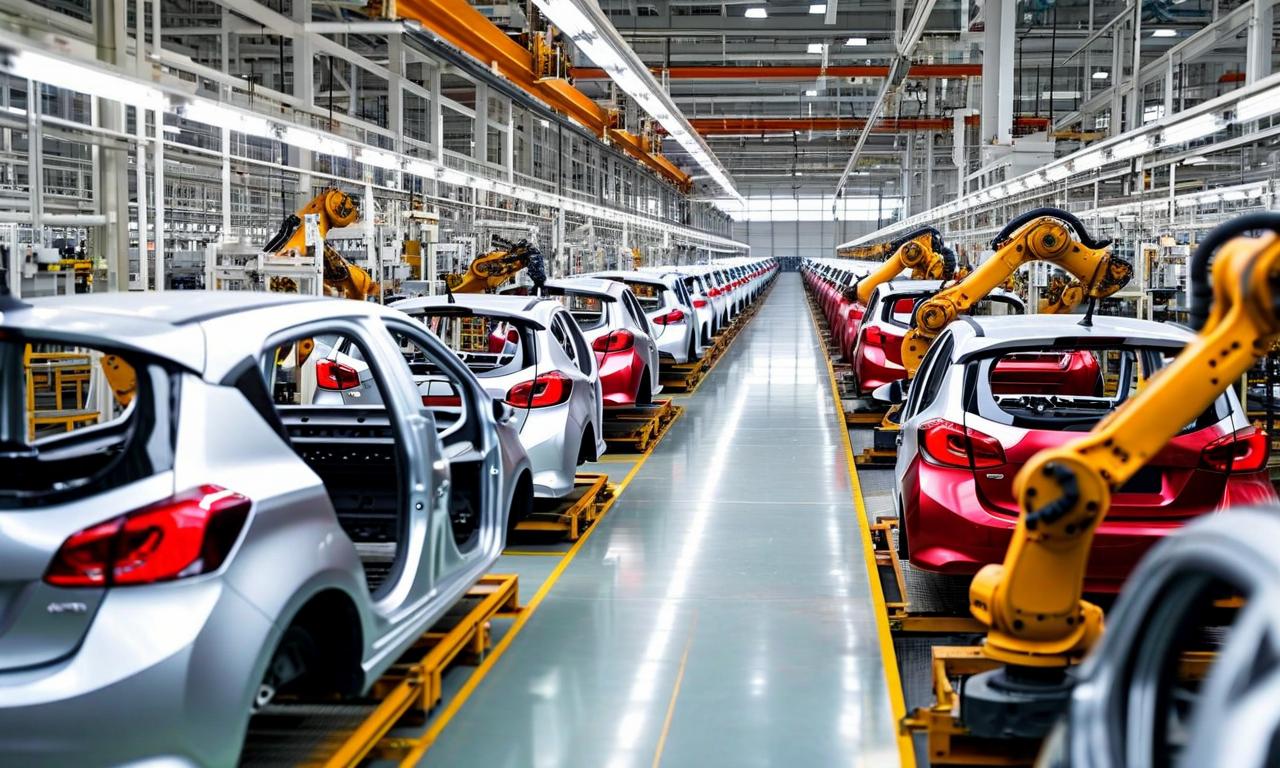
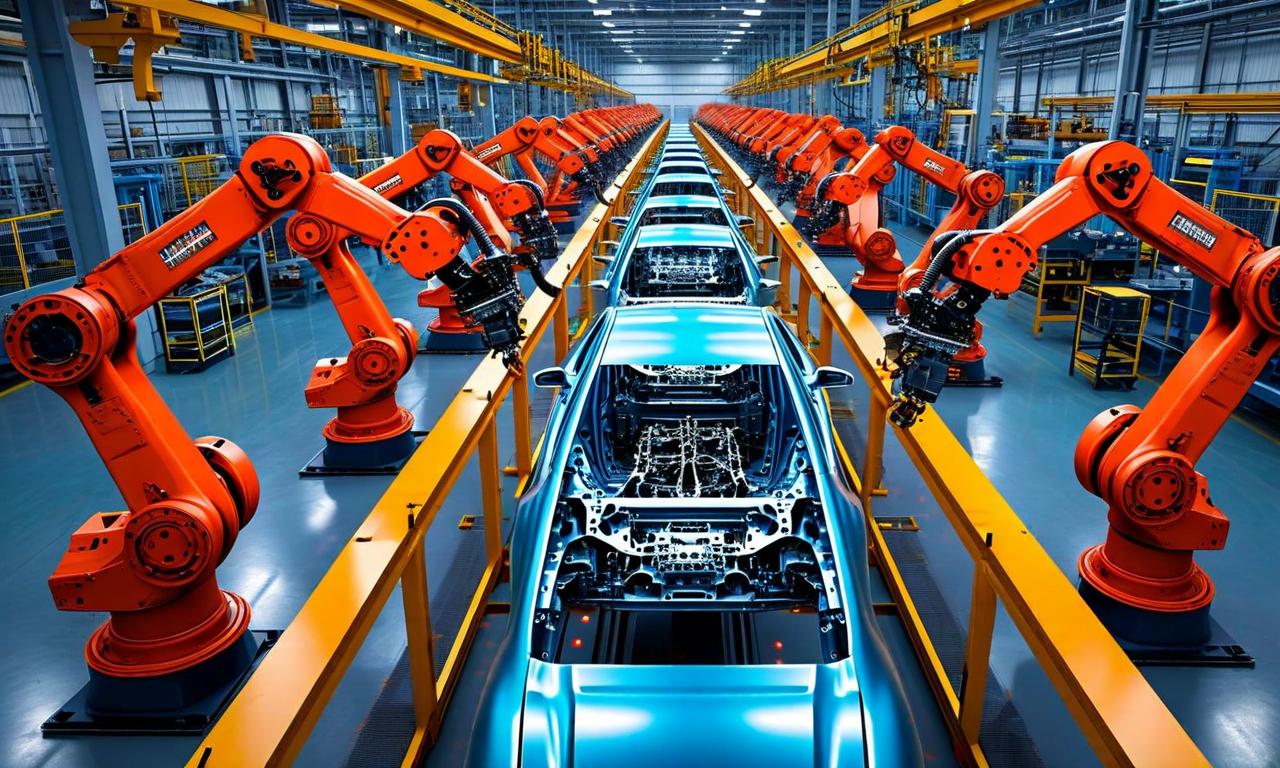
*this image is generated using AI for illustrative purposes only.
Maruti Suzuki has announced an increase in vehicle prices by up to ₹30,000, effective June 2026. The company has cited sustained inflation and rising input costs as the primary drivers behind this pricing decision. The revision is set to apply across its vehicle portfolio, signaling the company's intent to manage escalating production expenses through price adjustments.
Price Revision Details
The following table outlines the key parameters of the announced price revision:
| Parameter: | Details |
|---|---|
| Maximum Price Increase: | Up to ₹30,000 |
| Effective Date: | June 2026 |
| Reason: | Ongoing inflation and rising input costs |
Rationale Behind the Price Hike
The decision to revise prices is driven by sustained inflationary pressures and an increase in input costs that have affected the automaker's cost structure. Rising raw material and component costs have continued to exert pressure on vehicle manufacturers across the industry. Maruti Suzuki's move to adjust prices reflects the need to maintain financial viability in the face of these ongoing cost challenges. The company stated that it has been making continuous efforts to mitigate the cost impact through cost reduction measures, but the adverse cost environment has necessitated passing on a portion of the increased costs to the market. The exact quantum of change will vary from model to model.
Historical Stock Returns for Maruti Suzuki
| 1 Day | 5 Days | 1 Month | 6 Months | 1 Year | 5 Years |
|---|---|---|---|---|---|
| +1.71% | +0.30% | -9.66% | -16.04% | -28.68% | +53.70% |

Which specific Maruti Suzuki models are likely to see the steepest price increases, and how might this shift consumer demand toward entry-level or competing vehicles?
How might Maruti Suzuki's price hike influence pricing decisions by rivals like Hyundai, Tata Motors, and Kia in the Indian passenger vehicle market?
Could the ₹30,000 price increase accelerate the adoption of used cars or pre-owned certified vehicles among price-sensitive Indian consumers?
 16
16







 Create Custom Screeners
  Access 200+ Pre-built Filters
  Use 50+ Readymade Screener





