

Maruti Suzuki plans 4 million unit production capacity in India by FY30


- Maruti Suzuki India Limited plans to increase annual production capacity in India to 4 million units starting FY30
- Capacity expansion leverages four existing plants including the new Kharkhoda facility commissioned in 2025
- CNG vehicle sales grew from 158,000 units in FY21 to 740,000 units in FY26, reaching 40% of total sales
- Suzuki Motor Corporation emphasizes a multi-pathway strategy focusing on CNG, CBG, and lean-battery EVs

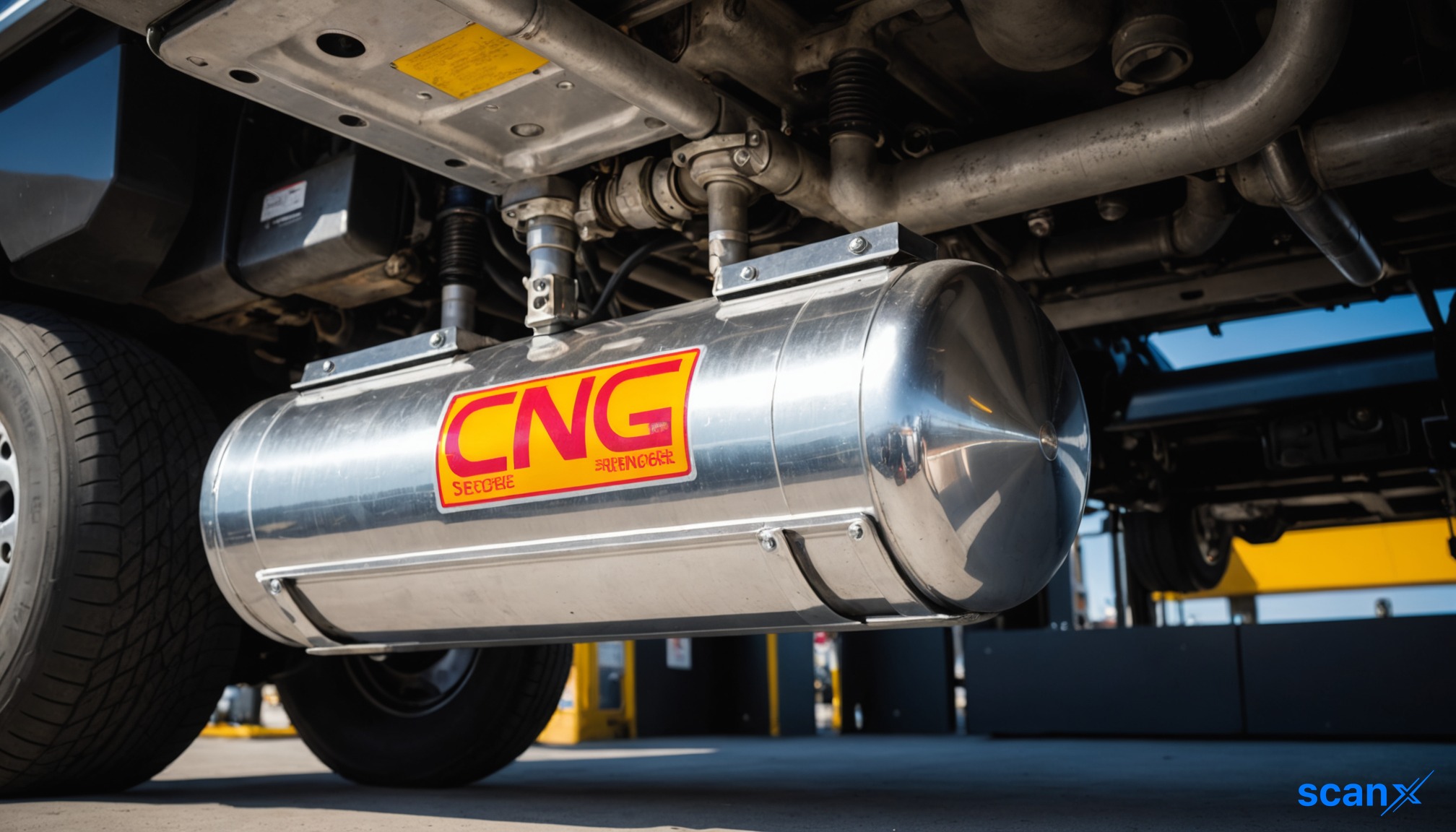

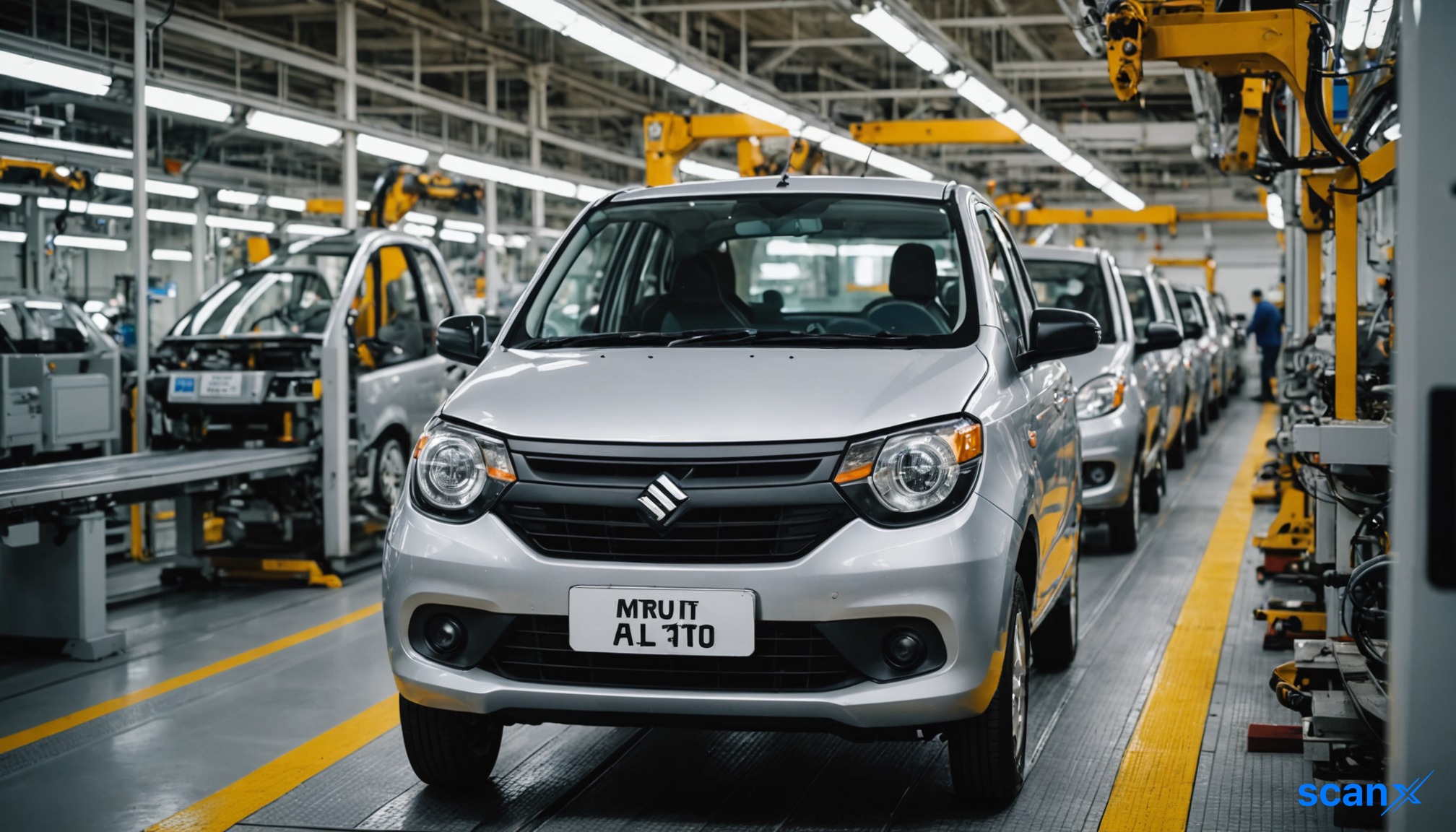
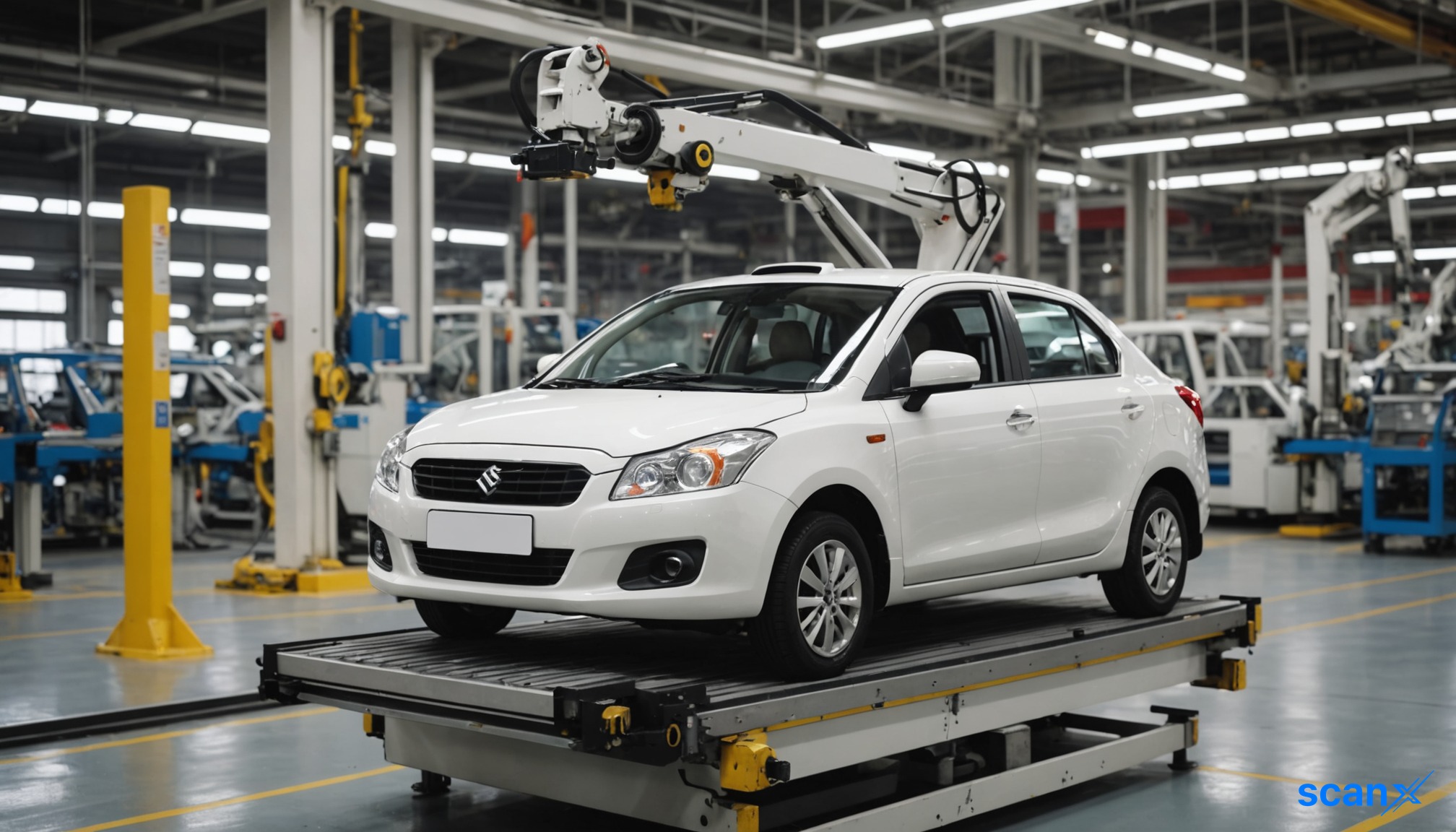
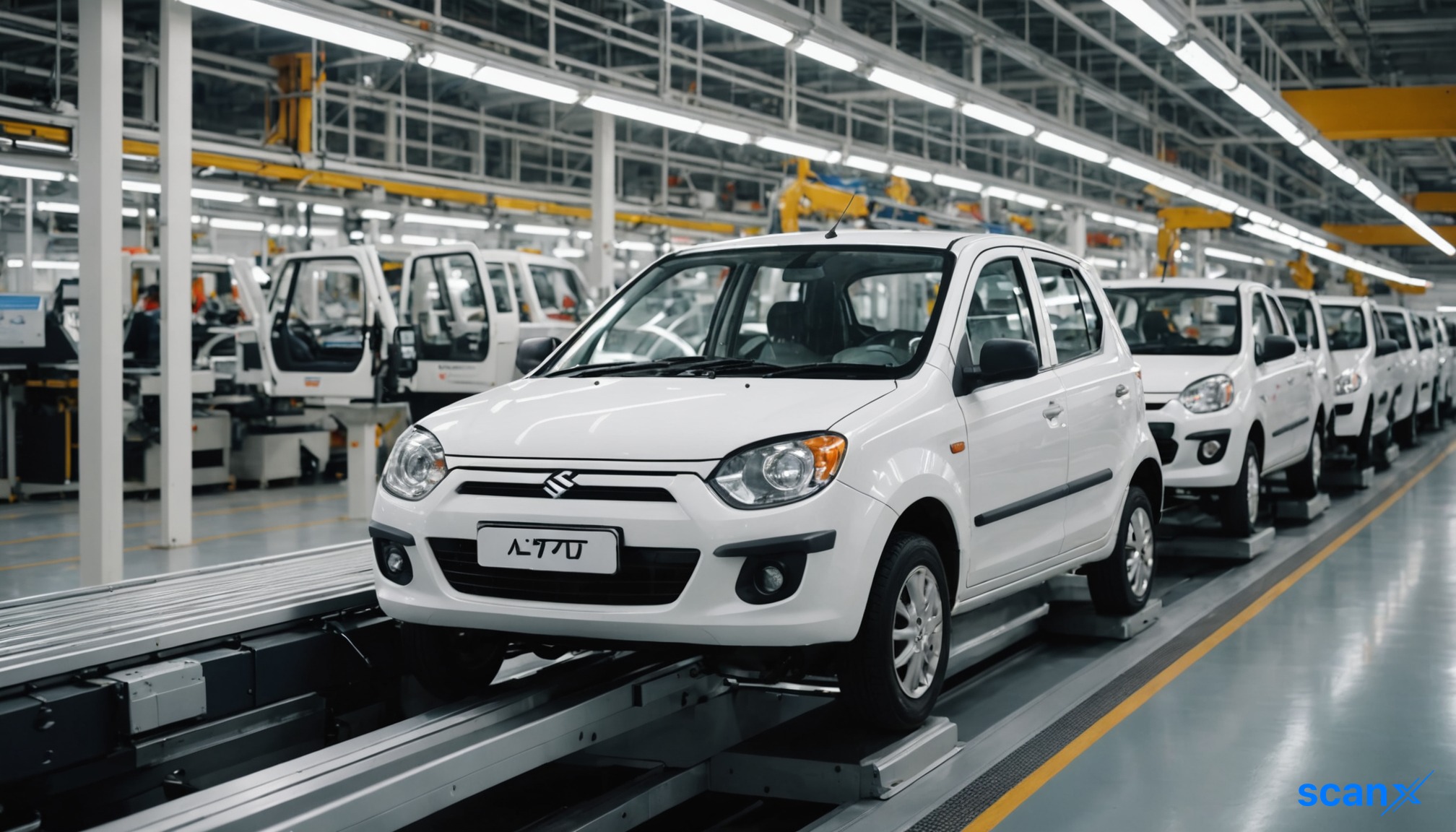
*this image is generated using AI for illustrative purposes only.
Maruti Suzuki India Limited filed a disclosure with stock exchanges on September 25, 2026, regarding the Technology Strategy Briefing 2026 announced by its parent, Suzuki Motor Corporation. The briefing outlines a multi-pathway approach to mobility, emphasizing regional optimization and a significant expansion of manufacturing capacity in India.
Production capacity expansion in India
Suzuki Motor Corporation identified India as a critical global production hub. The company detailed its roadmap to increase annual production capacity in the country from current levels to 4 million units starting fiscal year 2030 onward. This target builds upon the existing infrastructure of four major plants: Gurgaon (launched 1983), Manesar (2007), Hansalpur (2017), and the newly commissioned Kharkhoda plant (2025).
| Plant | Launch Date | Capacity (Ten thousand units) |
|---|---|---|
| Gurgaon | December 1983 | ~150 |
| Manesar | February 2007 | ~100 |
| Hansalpur | February 2017 | ~100 |
| Kharkhoda | February 2025 | ~100 |
| Target (FY30 Onward) | - | ~400 (4 million units) |
Multi-pathway technology strategy
The briefing highlighted a "multi-pathway" strategy tailored to regional energy mixes and infrastructure. For markets like India, where Compressed Natural Gas (CNG) infrastructure is well-established, Suzuki emphasized the role of CNG and Compressed Biogas (CBG). Data presented showed that Maruti Suzuki’s CNG vehicle sales in India grew from 158,000 units in FY21 to 740,000 units in FY26, with the share of CNG vehicles in total sales rising from 12% to 40% over the same period.
Biogas and circular economy initiatives
Suzuki announced the operationalization of three biogas plants in India in cooperation with the National Dairy Development Board. These plants produce CBG from cow dung, which integrates with existing CNG infrastructure and engines. The company also introduced "CARBON CAPTURE CARRY," a mobile CO2 capture system for mini trucks, aiming to capture approximately 50% of emitted CO2 over 20 km of driving for use in agricultural greenhouses.
Efficiency and development targets
To support this growth, Suzuki set aggressive internal efficiency targets compared to FY20 baselines:
- Development Period: Halve the new model development period.
- Development Efficiency: Improve by 30%.
- Production Efficiency: Improve by 50% compared to the Manesar plant standards.
The company also introduced the "e SKY" electric vehicle concept, targeting a single-charge range of 310 km and a weight of 1,030 kg, achieved through incremental optimizations rather than single breakthrough technologies.
What the numbers show
The divergence between volume growth and margin pressure is implicit in the strategy. While production capacity targets nearly double to 4 million units, the company acknowledges rising material and energy costs have increased average vehicle prices by 50% and weights by 10% over five years. The focus on "lean-battery" EVs and mono-fuel CNG systems suggests a strategy to maintain affordability in price-sensitive markets like India despite these input cost inflations.
Historical Stock Returns for Maruti Suzuki
| 1 Day | 5 Days | 1 Month | 6 Months | 1 Year | 5 Years |
|---|---|---|---|---|---|
| +2.39% | -0.04% | -7.70% | -12.47% | -29.62% | +52.66% |

How will the aggressive expansion to 4 million units by FY30 impact Maruti Suzuki's capital expenditure requirements and potential debt levels?
What specific supply chain bottlenecks might arise as Suzuki scales CNG and CBG production alongside its electric vehicle initiatives?
How will the 'lean-battery' EV strategy affect Maruti's competitive positioning against rivals offering longer-range, premium-priced electric vehicles?
 16
16




 Create Custom Screeners
  Access 200+ Pre-built Filters
  Use 50+ Readymade Screener





