

Maruti Suzuki commissions 300 kW green hydrogen plant at Manesar


- Maruti Suzuki commissioned a 300 kW green hydrogen electrolyzer at Manesar on September 24, 2026
- The plant utilizes surplus solar energy to produce hydrogen for blending with natural gas
- Company aims to reduce manufacturing carbon footprint from 615,000 tonnes to 266,000 tonnes by FY31
- Board approved four compressed biogas projects with an earmarked budget of ₹5,610 million

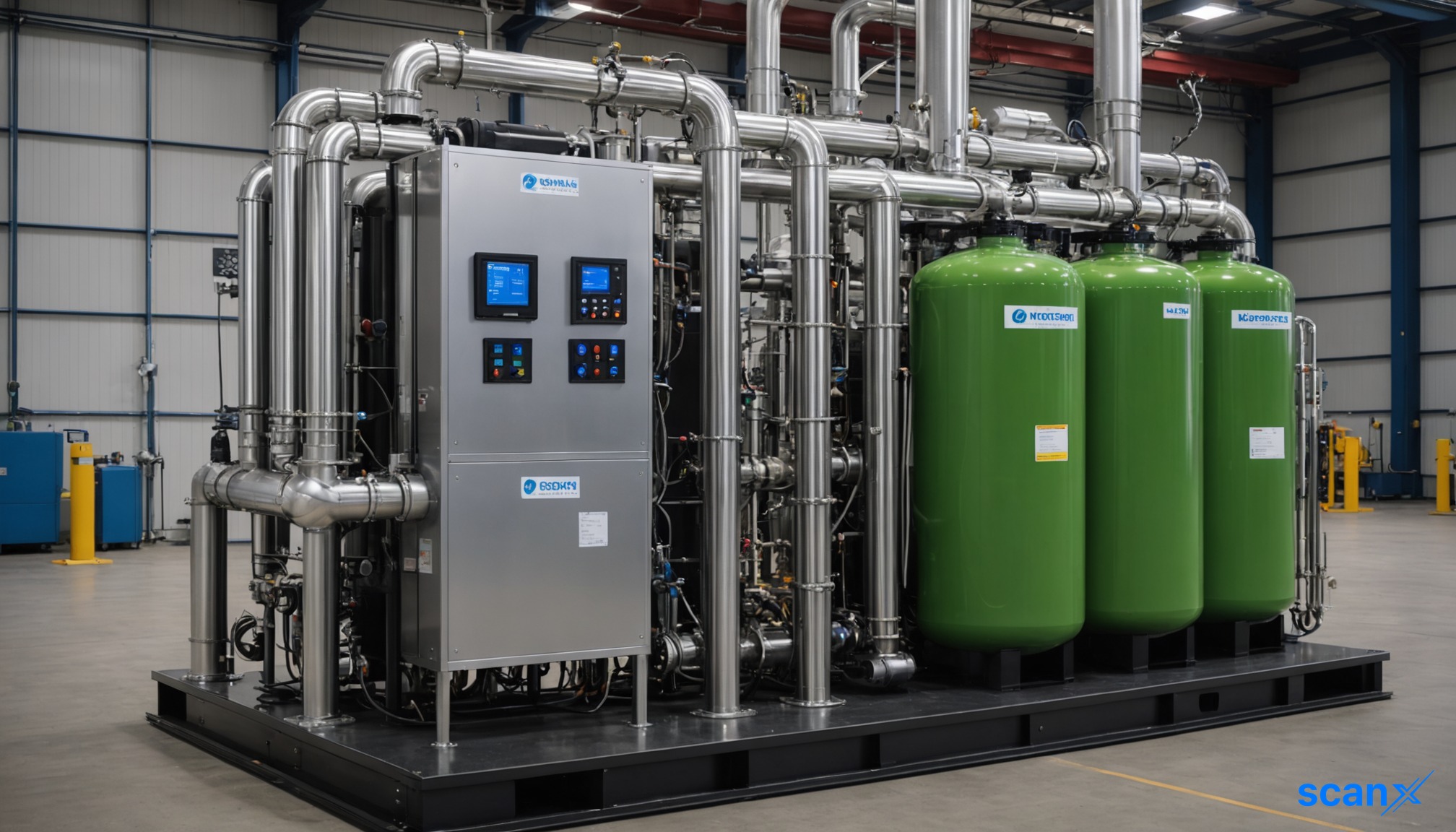

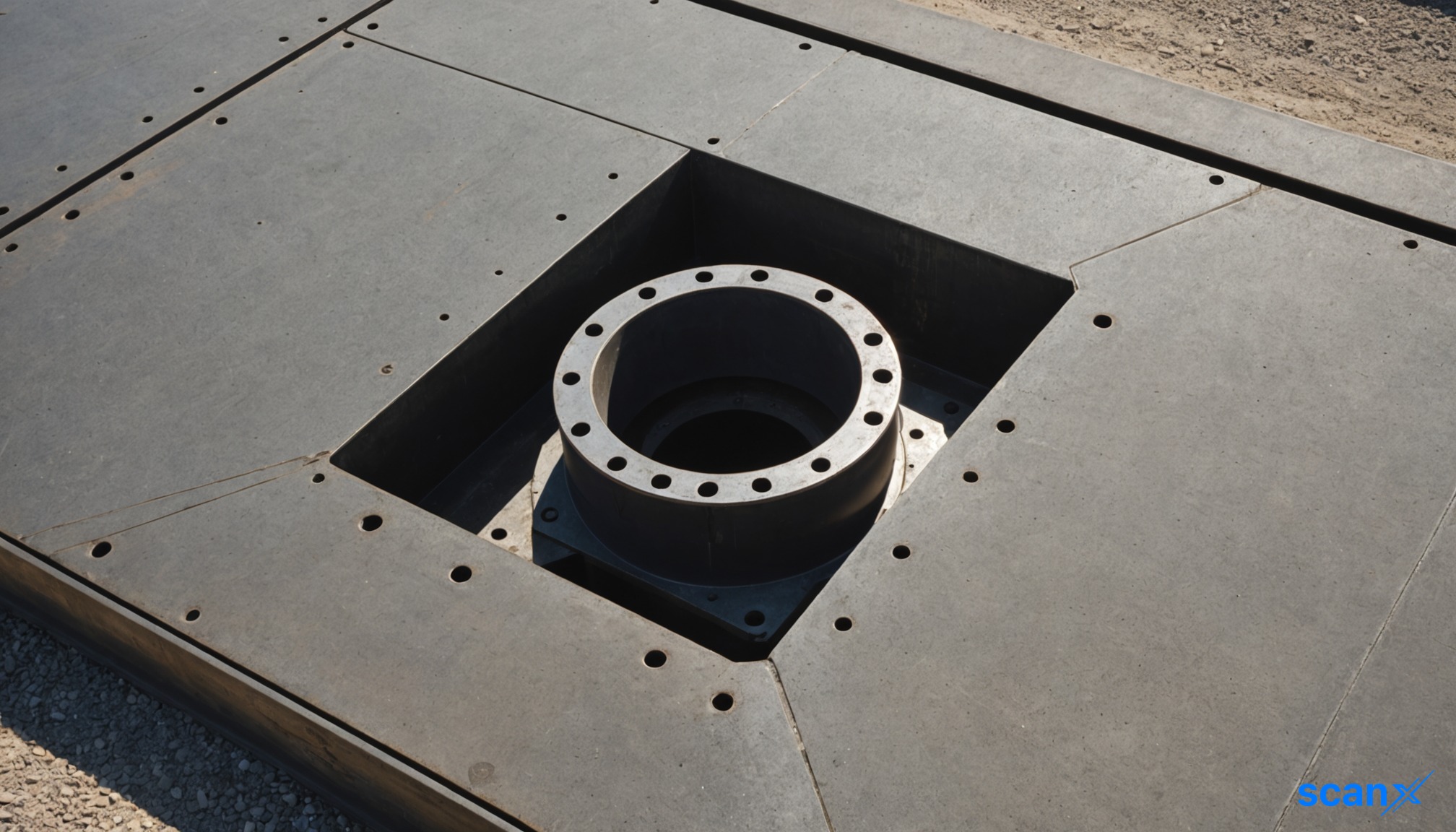
*this image is generated using AI for illustrative purposes only.
Maruti Suzuki India Limited commissioned a 300 kW green hydrogen electrolyzer plant at its Manesar facility on September 24, 2026. This marks the company's first green hydrogen initiative, utilizing surplus solar energy to support cleaner industrial fuel sources.
The produced green hydrogen is blended with natural gas to serve as process fuel in the company's manufacturing units. This initiative maximizes the utilization of solar energy generated during holidays, which would otherwise remain unused. The hydrogen is stored and subsequently deployed in operations, aligning with the Government of India's Green Hydrogen Mission.
Strategic energy transition goals
Hisashi Takeuchi, Managing Director and CEO, stated that the commissioning reflects a commitment to transitioning to cleaner and sustainable energy solutions. He noted that India's competitive position as a manufacturing powerhouse may depend not solely on cost and quality, but also on CO2 intensity. Maruti Suzuki aspires to reduce its carbon footprint in manufacturing operations from the present 615,000 tonnes to 266,000 tonnes in FY31.
Broader clean energy initiatives
Maruti Suzuki continues to advance efforts to reduce carbon emissions by adopting diverse green energy solutions. These include in-house solar power plants, renewable energy procurement from government sources, and power purchase agreements with third-party providers for solar and wind-based energy. The company is also integrating compressed biogas (CBG) as process fuel.
| Initiative | Location | Status/Details |
|---|---|---|
| Green Hydrogen Plant | Manesar | 300 kW pilot commissioned |
| Biogas Plant | Kharkhoda | 10 TPD, advanced stage |
| Battery Energy Storage | Kharkhoda | 1 MWh system commissioned |
| CBG Projects | Multiple | Board approved 4 projects |
What the numbers show
The data reveals a multi-pronged approach to decarbonization. While the 300 kW hydrogen plant is a pilot, the board has approved 4 CBG projects with an earmarked budget of ₹5,610 million. This significant capital allocation toward biogas, compared to the pilot scale of the hydrogen plant, suggests that compressed biogas may currently offer a more scalable immediate solution for process fuel substitution than green hydrogen. Additionally, the partnership between Suzuki Motor Corporation and the National Dairy Development Board involves setting up 10 biogas plants across India, with three already operational in Gujarat, indicating a broader ecosystem approach beyond Maruti Suzuki's own facilities.
Historical Stock Returns for Maruti Suzuki
| 1 Day | 5 Days | 1 Month | 6 Months | 1 Year | 5 Years |
|---|---|---|---|---|---|
| +2.39% | -0.04% | -7.70% | -12.47% | -29.62% | +52.66% |

How will the scaling of green hydrogen capacity beyond the 300 kW pilot impact Maruti Suzuki's capital expenditure trajectory in the next two fiscal years?
What specific regulatory incentives or policy shifts under the Green Hydrogen Mission are expected to accelerate the commercial viability of hydrogen blending for Indian automakers?
How might the competitive pressure regarding CO2 intensity mentioned by the CEO influence Maruti Suzuki's supply chain requirements for component suppliers?
 20
20







 Create Custom Screeners
  Access 200+ Pre-built Filters
  Use 50+ Readymade Screener





