

Mako Mining Q2 EPS $0.16 misses estimate; revenue up 62%


Mako Mining reported Q2 EPS of $0.16, missing the $0.18 estimate by 11.11%. Revenue grew 61.68% YoY to $62.596 million, driven by a realized gold price of $4,201/oz against an AISC of $2,286/oz. The company maintains a strong balance sheet with $112.9 million in liquid assets.

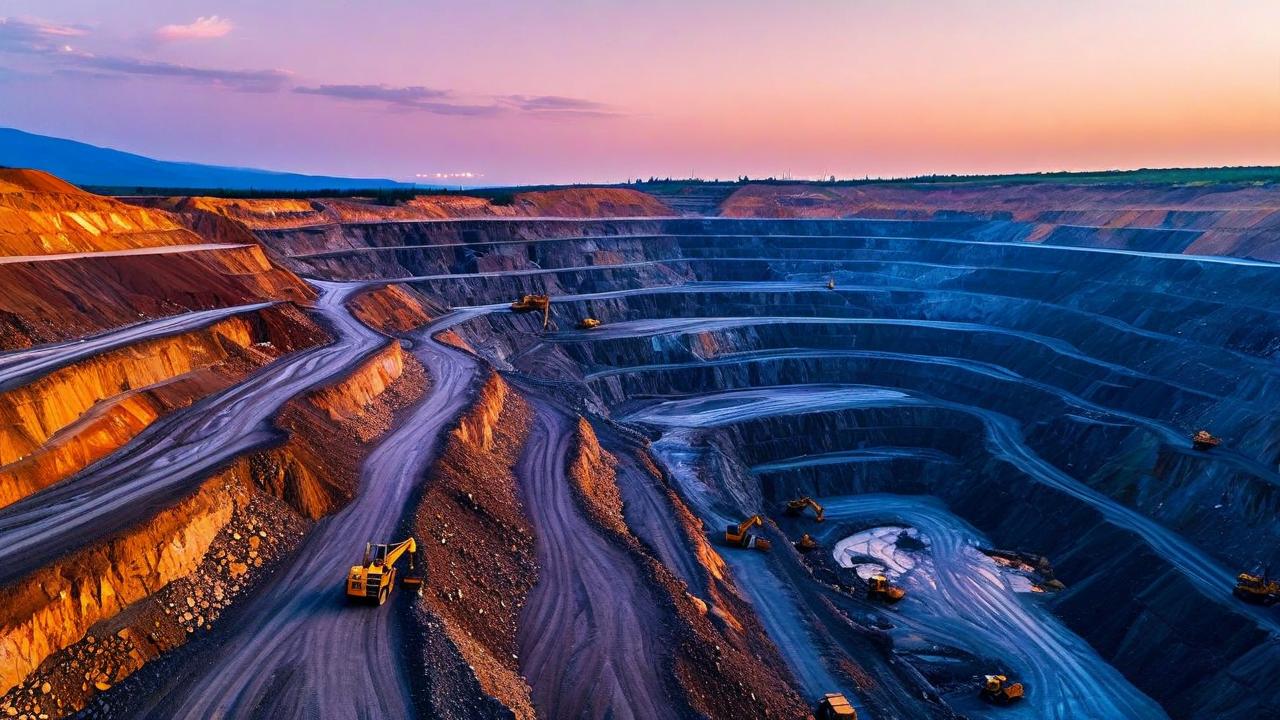

*this image is generated using AI for illustrative purposes only.
Mako Mining Corp. (NASDAQ: MAKO) (TSXV: MKO) reported second-quarter 2026 earnings per share of $0.16, missing the analyst consensus estimate of $0.18 by 11.11 percent. Despite the miss on profitability metrics, the company posted strong top-line growth, with sales reaching $62.596 million. This represents a 61.68 percent increase over sales of $38.715 million in the same period last year.
The Vancouver-based miner generated record financial results for the quarter, underpinned by an average realized gold price of $4,201 per ounce. This price significantly outpaced the company's All-In Sustaining Cost (AISC) of $2,286 per ounce. Mako sold 14,610 ounces of gold during the three months ended June 30, 2026.
Operational Efficiency and Returns
The company highlighted robust returns on capital, recording a Return on Equity (ROE) of 36.6% and a Return on Assets (ROA) of 23.8%. These metrics reflect the profitability of its underlying assets, particularly the San Albino mine in Nicaragua and the Moss Mine in Arizona.
| Metric | Q2 2026 Value |
|---|---|
| Revenue | $62.6 million |
| Adjusted EBITDA | $31.7 million |
| Mine OCF | $25.9 million |
| Net Income | $13.9 million |
| Gold Sold (oz) | 14,610 |
| Avg Realized Price ($/oz) | $4,201 |
| AISC ($/oz) | $2,286 |
The AISC varied significantly between operations, with San Albino reporting a cost of $1,535 per ounce compared to $3,708 per ounce at the Moss Mine. This divergence highlights the cost advantage of the Nicaraguan operation within the consolidated results.
What the Numbers Show
While revenue surged 61.68% year-over-year to $62.596 million, the EPS miss indicates that operating leverage did not fully translate into bottom-line gains relative to market expectations. The gap between the average realized gold price ($4,201/oz) and the consolidated AISC ($2,286/oz) resulted in a substantial contribution margin per ounce. However, with net income reaching $13.9 million, the effective net profit margin stands at approximately 22%, suggesting that while high gold prices drove top-line growth, other expenses or one-time items may have impacted the final per-share result against the $0.18 consensus.
Balance Sheet and Outlook
Mako Mining ended the quarter with $112.9 million in cash, trade receivables, and marketable securities. CEO Akiba Leisman stated that this liquidity position, combined with operating cash flow from its two active mines, is sufficient to fund remaining development projects without external capital.
The company spent $2.9 million on exploration and evaluation expenses in Q2, allocating $1.4 million to areas surrounding San Albino, $1.4 million to the Eagle Mountain project in Guyana, and $0.1 million to Mt. Hamilton. Management plans to unveil strategies for lowering its cost of capital in the coming weeks.

How might the significant cost disparity between the San Albino and Moss mines influence Mako's future capital allocation and expansion priorities?
What specific strategies is management planning to unveil to lower its cost of capital, and how could this impact shareholder returns?
Given the EPS miss despite strong revenue growth, what operational or one-time expenses contributed to the shortfall against analyst consensus?
 20
20






 Create Custom Screeners
  Access 200+ Pre-built Filters
  Use 50+ Readymade Screener





