

Leo Dryfruits board approves ₹42 crore preferential issue of warrants


- Board approved fresh preferential issue of 70 lakh warrants at ₹60 each
- Total fund raise capped at ₹42 crore, superseding earlier ₹55 proposal
- Proceeds allocated: ₹36 crore for working capital, ₹6 crore for corporate purposes
- Nine public non-promoter investors identified as allottees

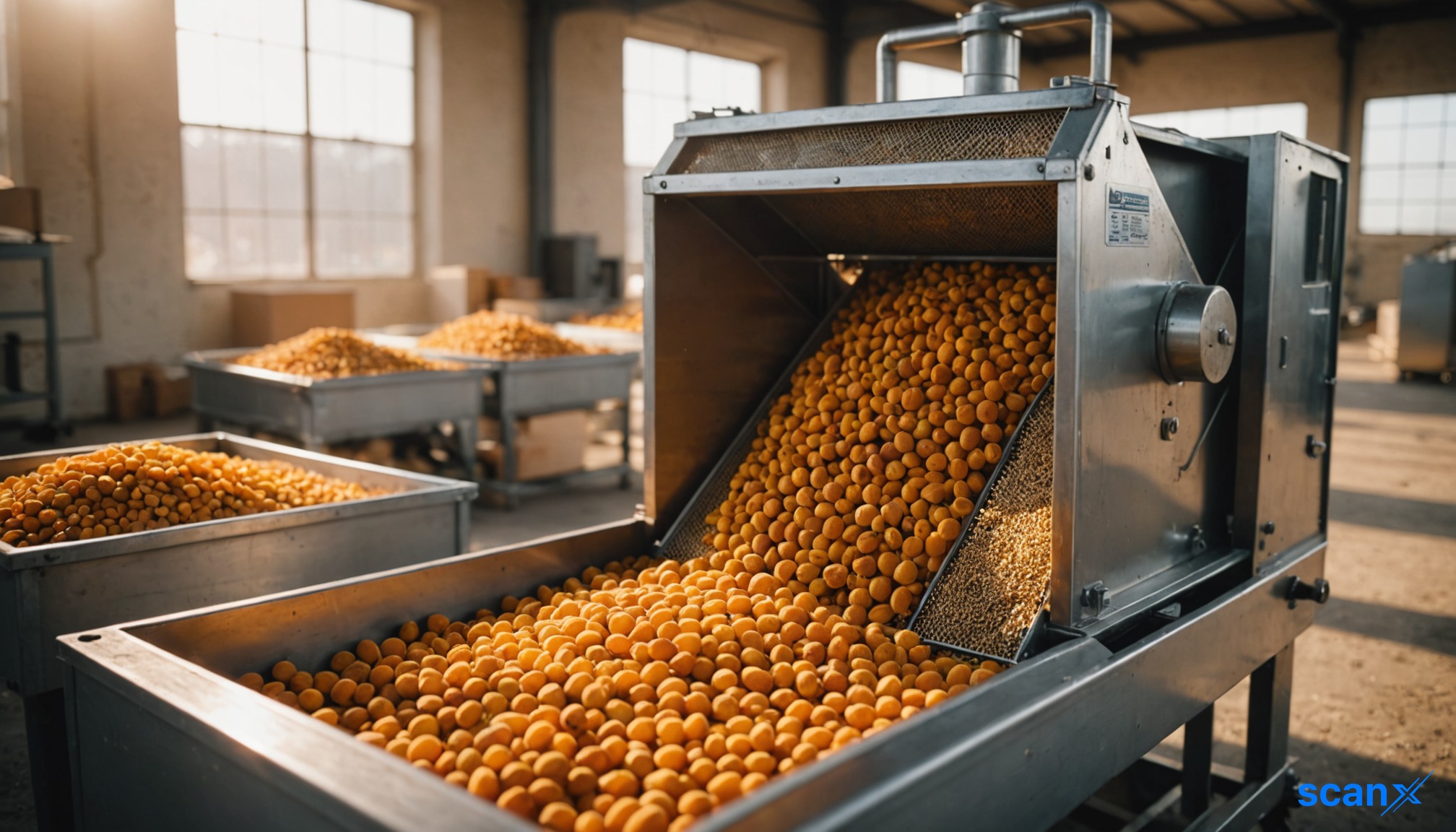

*this image is generated using AI for illustrative purposes only.
Leo Dryfruits & Spices Trading Limited board of directors approved a fresh preferential issue of up to 70,00,000 fully convertible warrants at an issue price of ₹60 per warrant, aggregating to ₹42 crore.
The decision, taken during the meeting held on October 16, 2026, supersedes an earlier proposal for warrants priced at ₹55 per unit. The company stated that no application for in-principle approval was made to BSE Limited for the earlier issue, no warrants were allotted, and no subscription money was received under that plan. The new issue is subject to shareholder approval via an Extraordinary General Meeting (EGM) and regulatory clearances.
Pricing and floor price determination
The issue price of ₹60 per warrant includes a premium of ₹50 on the face value of ₹10 per equity share. This price was determined based on the relevant date of October 15, 2026. The floor price was calculated as ₹59.36, which is the higher of two values: the Ten Trading Days Volume Weighted Average Price (VWAP) of ₹59.36 and the valuation report value of ₹53.45.
The Ninety Trading Day VWAP preceding the relevant date stood at ₹58.20. The valuation report was issued by Mr. Priyesh Somaiya, a registered valuer, in compliance with SEBI ICDR Regulations.
Allottee details and dilution
The warrants will be allotted to nine proposed allottees belonging to the Public (Non-Promoter) category. None of the promoters or members of the promoter group are participating in this issue. The table below outlines the subscription details for key allottees.
| Allottee Name | No. of Warrants | Amount (₹) | Post-issue %* |
|---|---|---|---|
| Jignesh Jaswantrai Mehta | 20,00,000 | 12,00,00,000 | 8.03 |
| Shree Ram Realites | 16,00,000 | 9,60,00,000 | 6.44 |
| Ami Niraj Shah | 10,00,000 | 6,00,00,000 | 6.83 |
| Dhanlaxmi J Mehta | 9,00,000 | 5,40,00,000 | 3.62 |
| Nisha Jignesh Mehta | 9,00,000 | 5,40,00,000 | 3.62 |
| Others (4 allottees) | 6,00,000 | 3,60,00,000 | 2.77 |
| Total | 70,00,000 | 42,00,00,000 | 31.31 |
Assuming exercise of all warrants on a post-issue fully diluted share capital of 2,48,91,440 equity shares.
Utilization of proceeds
The company plans to utilize the funds raised within 24 months from the date of allotment. The allocation of proceeds is structured as follows:
- Working capital requirements: ₹36 crore
- General corporate purposes: ₹6 crore
Each warrant entitles the holder to subscribe to one fully paid-up equity share upon conversion. The conversion must occur within 18 months from the date of allotment. At least 25% of the issue price (₹15 per warrant) is payable on allotment, with the remaining 75% (₹45 per warrant) due at the time of exercise. If warrants are not exercised, they lapse, and the amount paid stands forfeited.
What the numbers show
The fresh issue price of ₹60 represents a 12.7% premium over the discontinued proposal's price of ₹55. This adjustment aligns closely with the recent market performance, as the Ten Trading Day VWAP of ₹59.36 serves as the primary benchmark for the new floor price, indicating that the revised pricing reflects current market valuations more accurately than the previous offer.
Historical Stock Returns for Leo Dryfruits & Spices Trading
| 1 Day | 5 Days | 1 Month | 6 Months | 1 Year | 5 Years |
|---|---|---|---|---|---|
| 0.0% | +0.03% | -4.07% | +7.23% | -16.29% | -18.71% |

How will the ₹36 crore injection into working capital specifically impact Leo Dryfruits' inventory turnover and supply chain efficiency over the next 24 months?
What are the potential dilution risks for existing shareholders if the stock price falls below the ₹60 exercise price, leading to warrant lapse and forfeiture?
How might the concentration of ownership among the top three non-promoter allottees influence future corporate governance decisions or strategic direction?
 15
15











 Create Custom Screeners
  Access 200+ Pre-built Filters
  Use 50+ Readymade Screener





