

Leo Dryfruits FY26 Results: Revenue doubles to ₹174.2 crore


- Revenue doubled 99.6% YoY to ₹174.24 crore, led by dry fruits and blended spices
- PAT rose 29.1% to ₹10.54 crore, but margins contracted due to scaling costs
- Acquired 60% stake in STK Food Processing to enter makhana and chana sattu segments
- Expanded distribution via Zepto quick commerce and IRCTC empanelment
- Recommended final dividend of ₹0.50 per share; AGM scheduled for Sept 29, 2026

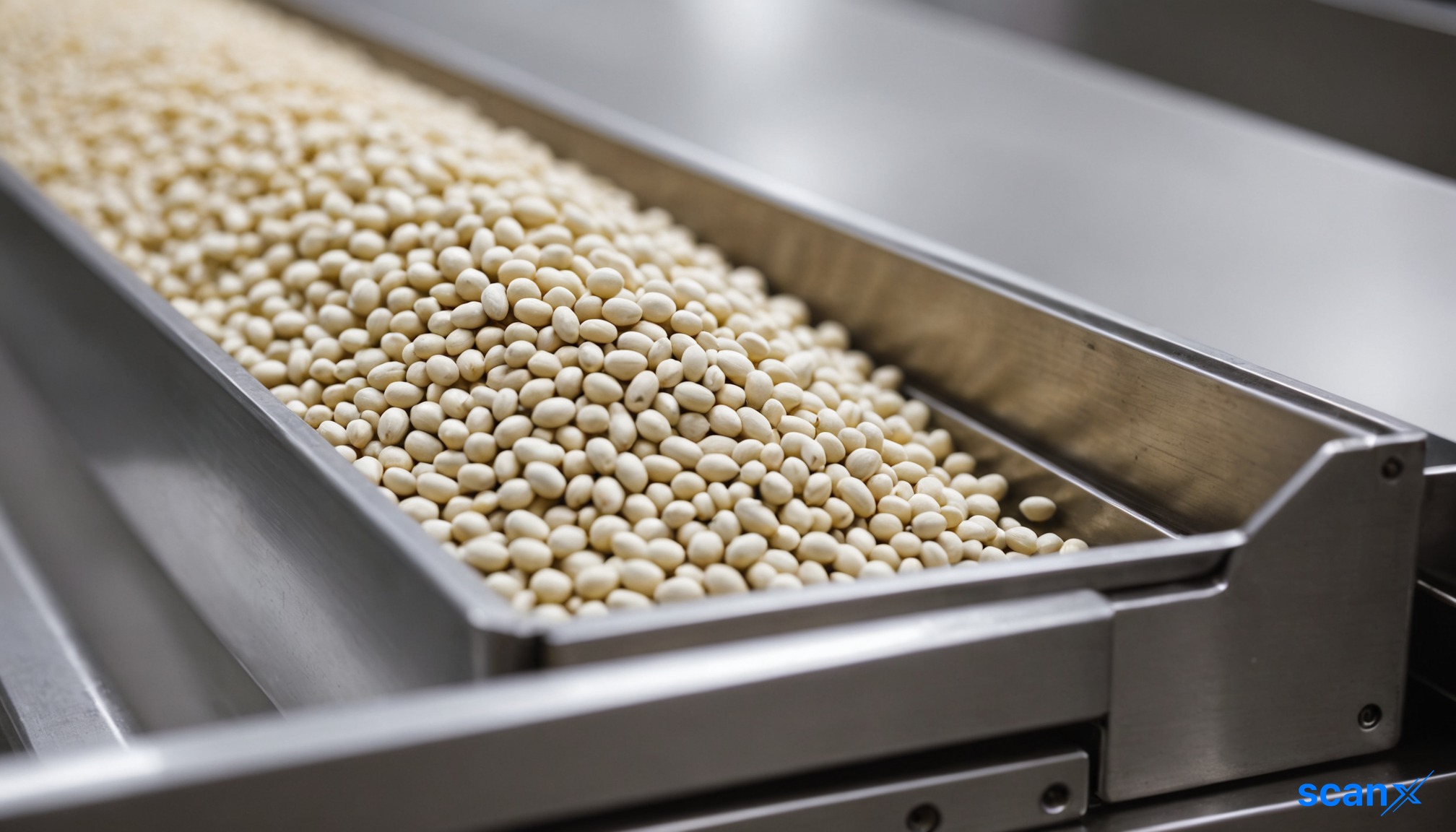

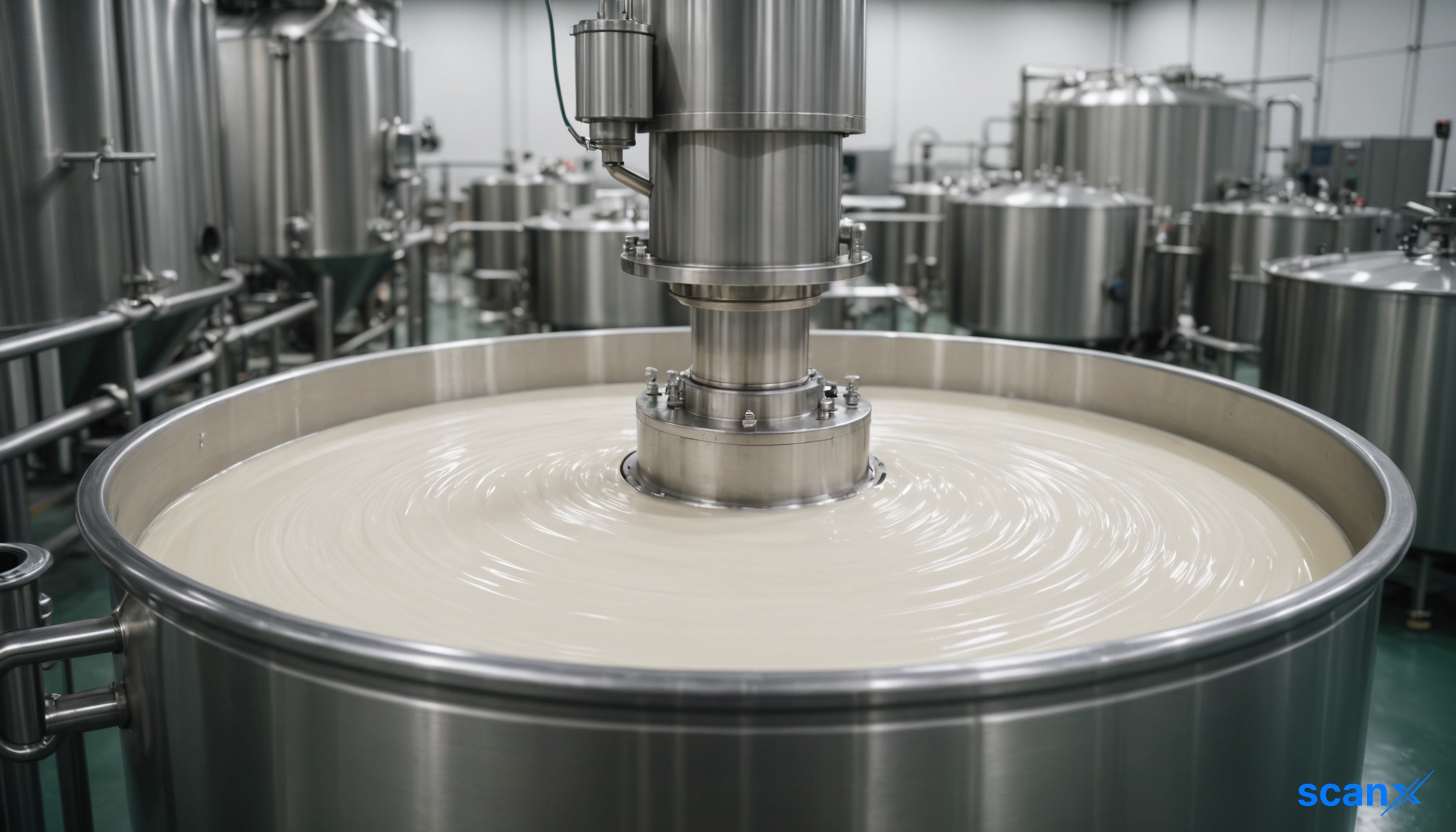
*this image is generated using AI for illustrative purposes only.
Leo Dryfruits & Spices Trading posted a near doubling of revenue in FY26, driven by aggressive portfolio diversification and channel expansion. The company’s financial results for the year ended March 31, 2026, reflect a strategic pivot from traditional spice trading to a broader packaged food platform.
Revenue from operations surged 99.6% year-on-year to ₹17,424.10 lakh (₹174.24 crore), up from ₹8,731.11 lakh in FY25. This top-line growth was underpinned by a massive expansion in the dry fruits segment, which grew from ₹923.50 lakh to ₹7,385.35 lakh, and blended spices, which jumped from ₹34.13 lakh to ₹1,017.40 lakh.
Financial Performance
While revenue growth was robust, profitability metrics showed divergence. EBITDA rose 34.0% to ₹198.52 lakh, but the EBITDA margin contracted sharply from 17.0% in FY25 to 11.4% in FY26. Profit after tax (PAT) increased 29.1% to ₹105.39 lakh (₹10.54 crore), with PAT margin falling from 9.4% to 6.0%.
| Metric | FY26 (₹ Lakh) | FY25 (₹ Lakh) | Change |
|---|---|---|---|
| Revenue | 17,424.10 | 8,731.11 | +99.6% |
| EBITDA | 198.52 | 148.21 | +34.0% |
| PAT | 105.39 | 81.64 | +29.1% |
| EBITDA Margin | 11.4% | 17.0% | -560 bps |
| PAT Margin | 6.0% | 9.4% | -340 bps |
Strategic Expansion and M&A
The margin compression coincides with significant capital deployment into new categories. The company acquired a 60% stake in STK Food Processing Private Limited, operating under the POPMAK brand, to enter the makhana and chana sattu segments. This acquisition aims to strengthen its presence in the institutional CSD (Canteen Stores Department) market, expanding its combined CSD product portfolio to 16 items.
Additionally, Leo expanded its distribution footprint by entering quick commerce through Zepto and strengthening organised retail ties with Apna Bazaar. The company also secured Category A empanelment with IRCTC for its VANDU millet-based products.
What the Numbers Show
A critical observation is the disproportionate rise in working capital requirements relative to profit generation. While revenue doubled, cash generated from operations turned negative at -₹632.59 lakh, compared to a negative ₹2,745.37 lakh in FY25. Inventories surged by ₹2,364.68 lakh, indicating heavy stock buildup to support the new product lines. Furthermore, finance costs more than doubled to ₹325.72 lakh from ₹158.64 lakh, reflecting increased leverage to fund this rapid scaling phase. The debt-to-equity ratio rose to 0.50 from 0.33.
Corporate Actions
The company’s 7th Annual General Meeting is scheduled for September 29, 2026. Key agenda items include the re-appointment of Mr. Jenish Ketan Shah as a director and the re-appointment of Mr. Ketan Sobhagchand Shah as Whole Time Director for five years. The board also seeks approval to increase the remuneration of both Mr. Kaushik Sobhagchand Shah and Mr. Ketan Sobhagchand Shah from ₹12 lakh to ₹18 lakh per annum, effective April 1, 2026.
A final dividend of ₹0.50 per equity share has been recommended, subject to shareholder approval.
Historical Stock Returns for Leo Dryfruits & Spices Trading
| 1 Day | 5 Days | 1 Month | 6 Months | 1 Year | 5 Years |
|---|---|---|---|---|---|
| +0.50% | +0.08% | -5.92% | +38.21% | -17.08% | -14.94% |

How will the company manage its rising debt-to-equity ratio and negative operating cash flow while sustaining aggressive inventory buildup for new product lines?
What specific operational efficiencies or pricing strategies are planned to reverse the sharp contraction in EBITDA and PAT margins from 17.0% and 9.4% to 11.4% and 6.0% respectively?
To what extent will the acquisition of STK Food Processing and entry into quick commerce channels like Zepto drive volume growth sufficient to offset margin compression in the near term?
 18
18






 Access Market Heat-map & Insights
  Create, Save & Share your Screener
  Use 200+ Screening Filters





