

KP Group Becomes First in India to Install 'Make in India' 4.2M160 Wind Turbine


KP Group has become the first company in India to install the 4.2 MW wind turbine generator (4.2M160) manufactured by Senvion India, installed in south Gujarat as part of the 'Make in India' initiative. The turbine features a 160-metre rotor diameter and a 140-metre hub height, and belongs to Senvion's modular 4XM platform with over 85% localisation. The platform was included in the ALMM in December 2025, marking a key advancement in India's wind energy sector. KP Group, established in 1994, continues to position itself as a leading partner in India's renewable energy transition.


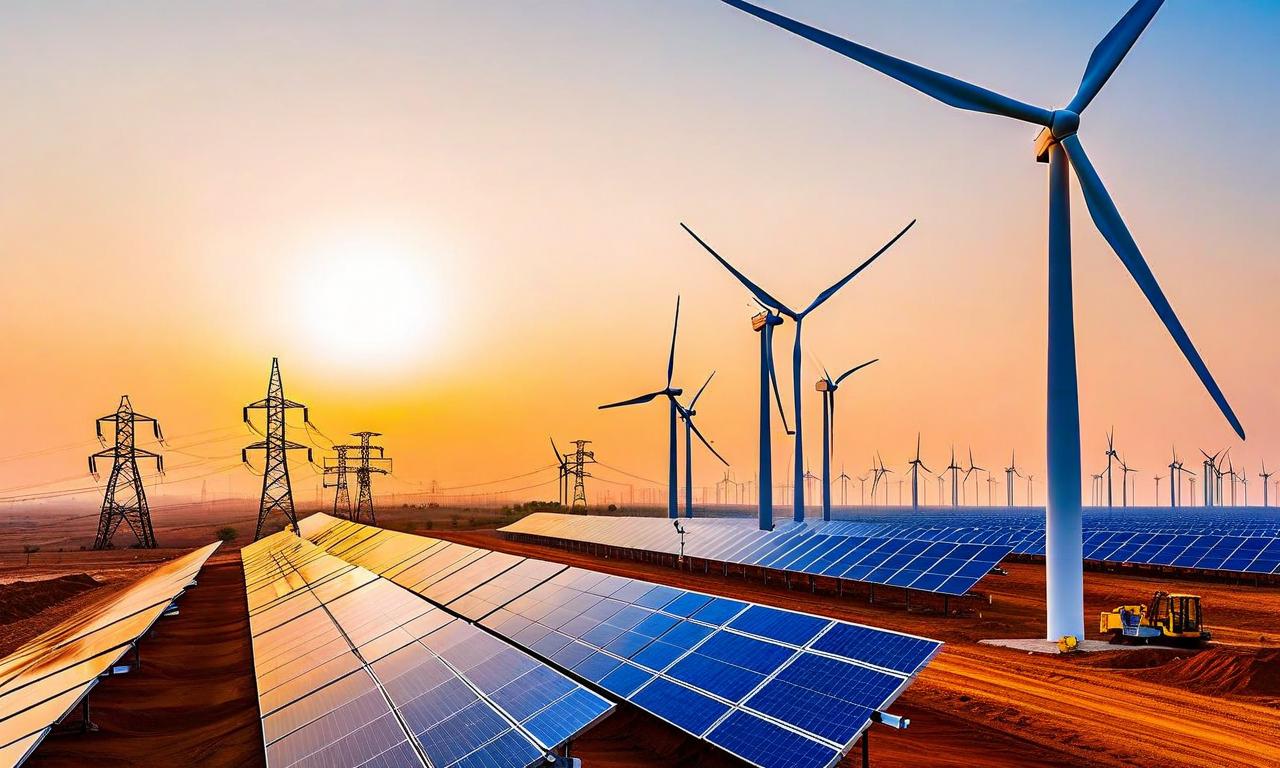
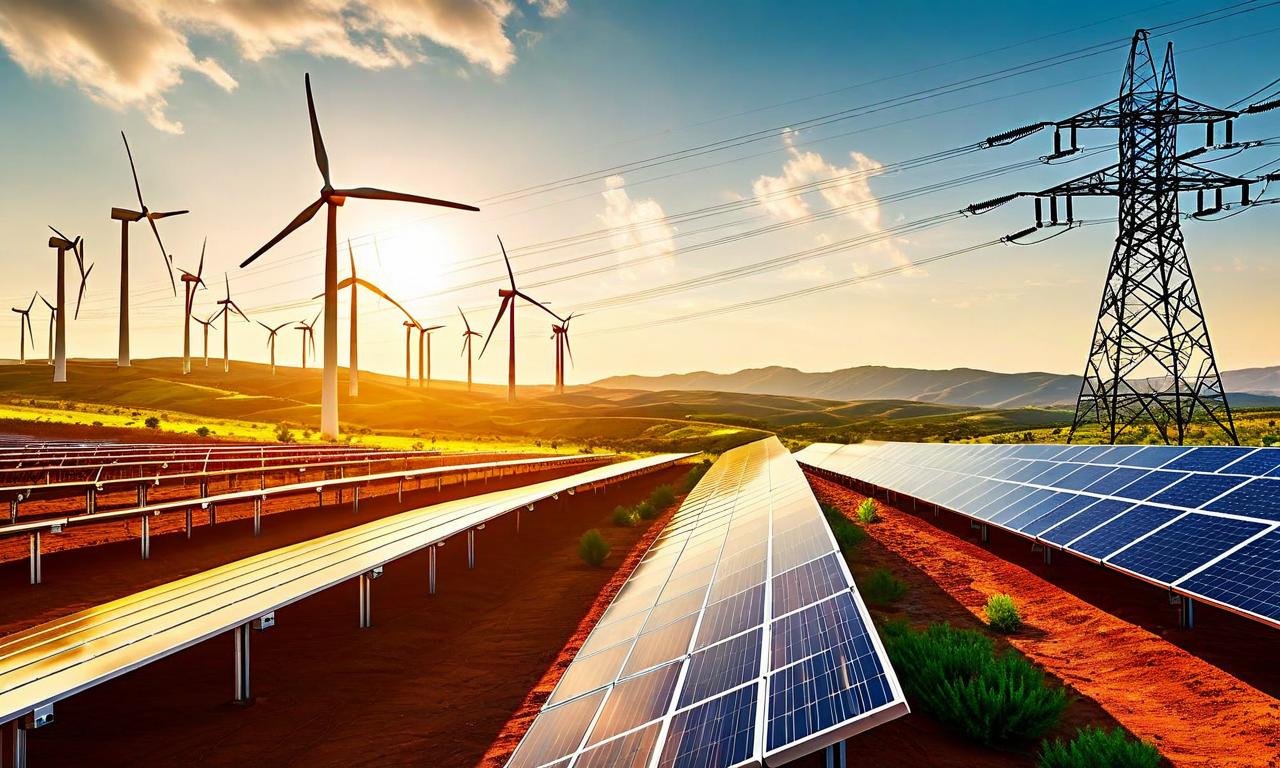
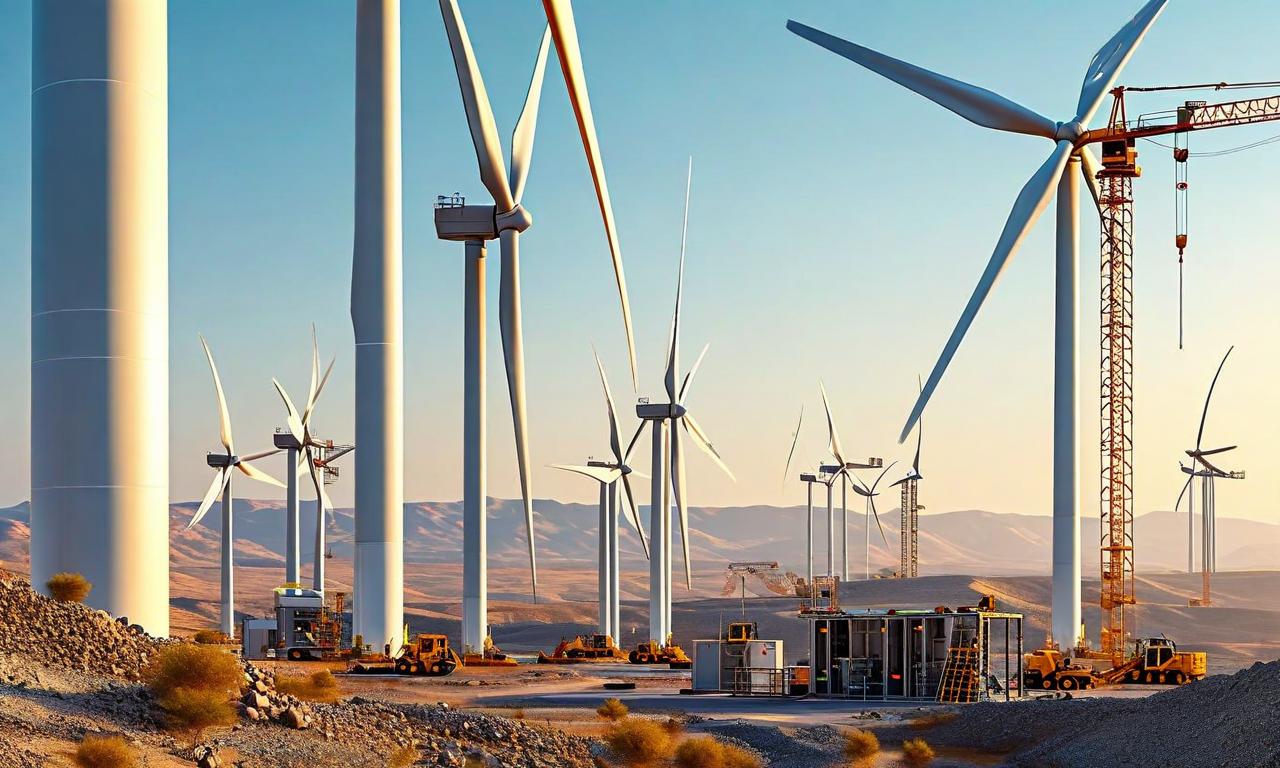
*this image is generated using AI for illustrative purposes only.
K.P. Energy Limited has achieved a significant milestone in India's renewable energy sector by becoming the first company in the country to install the 4.2 MW wind turbine generator (4.2M160) manufactured by Senvion India. The turbine has been installed in south Gujarat and is part of Senvion's new-generation 4XM platform, purpose-built for Indian wind conditions and site requirements under the 'Make in India' initiative.
Turbine Specifications and Design
The 4.2M160 is engineered to maximise energy capture in low-to-medium wind regimes. Its key technical parameters reflect a focus on performance optimisation and site adaptability. The following table summarises the turbine's core specifications:
| Parameter: | Details |
|---|---|
| Rated Capacity: | 4.2 MW |
| Rotor Diameter: | 160 metres |
| Hub Height: | 140 metres |
| Localisation Level: | Over 85% |
| ALMM Inclusion: | December 2025 |
| Installation Location: | South Gujarat |
| Manufacturer: | Senvion India |
The turbine's larger swept area, advanced control systems, and site-optimised design are intended to enable higher generation output, improved efficiency, and enhanced long-term value.
Platform Architecture and Manufacturing
The 4XM platform features a modular architecture that enables efficient transportation, faster installation, and streamlined commissioning, while also improving serviceability and operational reliability. Engineered and manufactured in India with over 85% localisation, the platform was included in the ALMM in December 2025. This positions the 4XM platform as a significant step in India's wind energy evolution towards larger and more efficient turbines.
Leadership Commentary
Dr. Faruk Patel, Chairman & Managing Director, commented on the development:
"Being the first to install the 'Make in India' 4.2 MW M160 wind turbine in south Gujarat reinforces KP Group's commitment to adopting advanced, next-generation technologies that enhance generation efficiency, optimise lifecycle performance, and deliver long-term value. This milestone further strengthens our position as a trusted partner in executing scalable and high-performance renewable energy solutions, while contributing meaningfully to India's transition towards a cleaner and more sustainable energy future."
About KP Group
Established in 1994 by Dr. Faruk G. Patel, KP Group has grown into a multi-faceted conglomerate with core expertise in renewable energy, infrastructure, and innovation. Over the past three decades, the group has championed sustainability by spearheading transformative projects in wind and solar energy, contributing to India's green energy mission. With a strong portfolio of renewable energy projects, KP Group has built a reputation as a trusted partner for companies committed to reducing their carbon footprint.
Historical Stock Returns for KP Energy
| 1 Day | 5 Days | 1 Month | 6 Months | 1 Year | 5 Years |
|---|---|---|---|---|---|
| -2.49% | -4.83% | -6.36% | -40.22% | -51.08% | -63.16% |

How will the widespread adoption of 4.2 MW turbines impact India's wind energy capacity targets and project economics compared to the previously dominant 2-3 MW turbine segment?
Could KP Energy's first-mover advantage with the Senvion 4XM platform translate into a competitive edge in securing future large-scale wind project tenders across India?
What challenges might developers face in scaling up installations of larger turbines like the 4.2M160, particularly regarding grid infrastructure, land acquisition, and logistics in Indian conditions?
 19
19







 Create Custom Screeners
  Access 200+ Pre-built Filters
  Use 50+ Readymade Screener





