

KNR Constructions reports FY26 net profit of ₹437 crore


KNR Constructions Limited announced its FY26 financial results, reporting a consolidated net profit of ₹437 crore on a revenue of ₹2,698 crore. The company's order book reached ₹11,903 crore, bolstered by new HAM projects worth ₹3,897 crore, providing visibility for the next three years. Operational highlights include the monetization of a subsidiary for ₹205.05 crore and an improved working capital cycle.


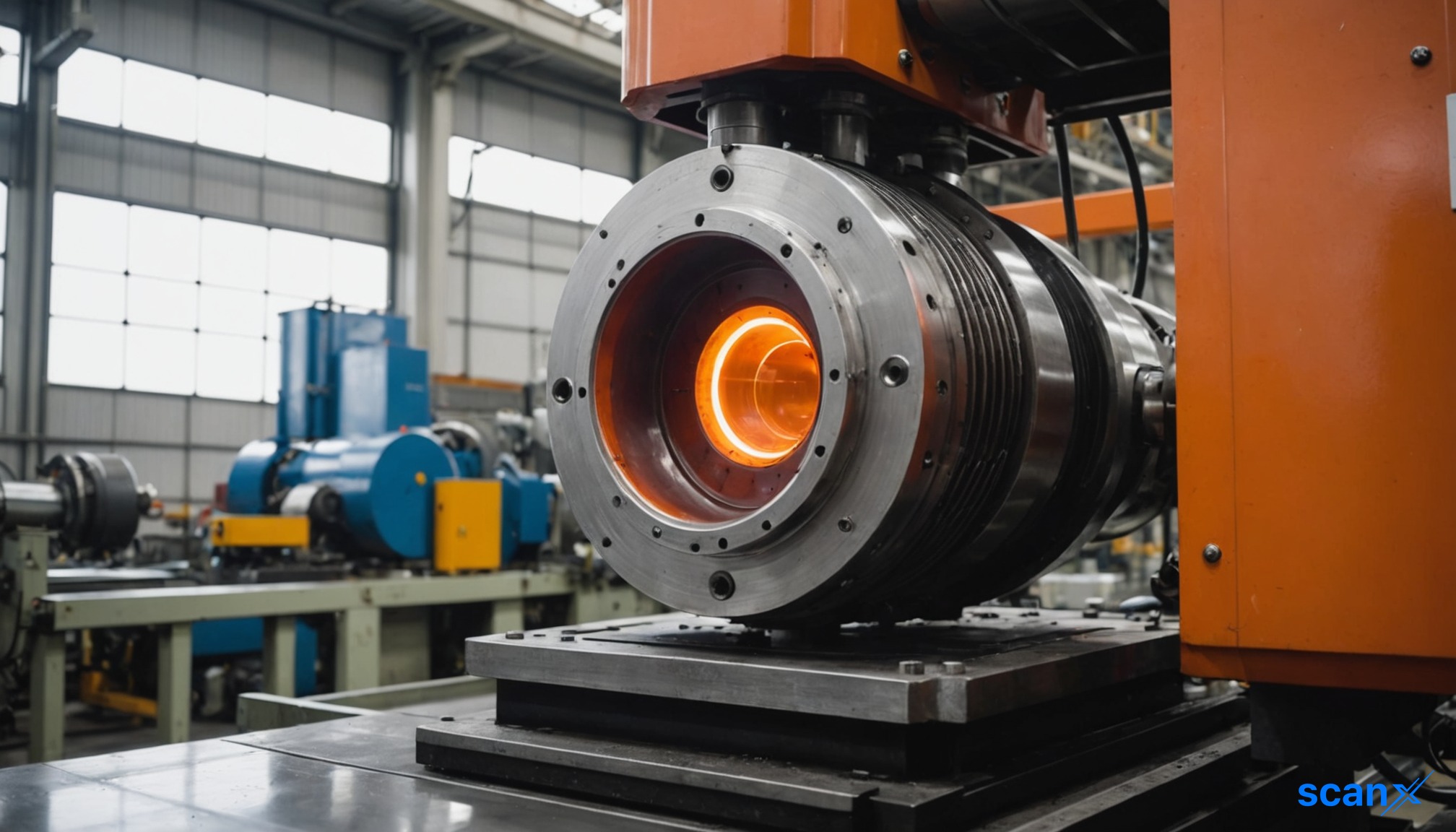
*this image is generated using AI for illustrative purposes only.
KNR Constructions Limited has released the transcript of its earnings call for the fourth quarter of the financial year 2025-26, held on June 1, 2026. The company reported a consolidated net profit of ₹437 crore for FY26, with revenue for the year standing at ₹2,698 crore. The order book as of March 31, 2026, stands at ₹11,903 crore, including recently won HAM projects, providing visibility for the next three to three and a half years.
Financial Performance
The company delivered a strong financial performance for the year. On a consolidated basis, revenue for FY26 stood at ₹2,698 crore, while EBITDA was ₹711 crore, reflecting an EBITDA margin of 26.4%. For the fourth quarter, revenue was ₹696 crore with an EBITDA of ₹169 crore and a margin of 24.3%. The net profit for Q4 FY26 was ₹106 crore.
On a standalone basis, revenue for FY26 was ₹2,097 crore, with an EBITDA of ₹178 crore and a net profit of ₹116 crore. The working capital days improved to 78 days as of March 31, 2026, compared to 93 days in the previous year.
| Metric | Q4 FY26 | FY26 |
|---|---|---|
| Consolidated Revenue | ₹696 crore | ₹2,698 crore |
| Consolidated EBITDA | ₹169 crore | ₹711 crore |
| Consolidated EBITDA Margin | 24.3% | 26.4% |
| Consolidated Net Profit | ₹106 crore | ₹437 crore |
| Standalone Revenue | ₹535 crore | ₹2,097 crore |
| Standalone Net Profit | ₹19 crore | ₹116 crore |
Order Book and New Orders
The total order book as of March 31, 2026, stands at ₹11,903 crore, including two recently awarded HAM projects worth a combined ₹3,897 crore. The order book composition includes 49% roads, 14% irrigation, 7% pipeline, and 30% mining projects. The company is targeting an order inflow of ₹8,000 crore to ₹10,000 crore in FY27.
During the quarter, the company received a letter of award for two HAM projects. The first, awarded by Tamil Nadu State Highway Authority, involves the development of a corridor from Thiruvanniyur to Uthandi with a project value of ₹2,163 crore. The second, awarded by NHAI, is for the laning of NH-167 from Gudebellur to Mahabubnagar in Telangana, valued at ₹1,734 crore. The company also received letters of acceptance for two EPC projects worth ₹133 crore from the Greater Hyderabad Municipal Corporation and Hyderabad Growth Corridor.
Operational Updates
The company has successfully monetized one of its subsidiary companies, KNR Palani Infra Private Limited, transferring its entire equity stake to Indus Infra Trust. The company received a consideration of ₹205.05 crore, and the SPV upstreamed ₹90 crore of cash surplus. Regarding the Kaleshwaram Package 4 irrigation project, the management indicated that outstanding dues of approximately ₹670 crore are pending, but they expect resolution within the next two months following discussions with the Finance Minister.
The consolidated debt as of March 31, 2026, stood at ₹2,438 crore, compared to ₹1,847 crore in the previous year. The net debt-to-equity ratio on a consolidated basis was 0.49x. The company is targeting a revenue of over ₹3,000 crore in FY28.
Historical Stock Returns for KNR Constructions
| 1 Day | 5 Days | 1 Month | 6 Months | 1 Year | 5 Years |
|---|---|---|---|---|---|
| -1.46% | -3.53% | -11.17% | -5.64% | -39.90% | -63.57% |

How will the recent increase in consolidated debt impact the company's financial flexibility and interest costs in the coming fiscal year?
What is the strategic rationale behind targeting a revenue of over ₹3,000 crore in FY28, and what are the key drivers expected to achieve this growth?
Given the heavy reliance on HAM projects, how does the company plan to manage the risks associated with long-term construction and tolling periods?
 20
20





 Access 50+ Readymade Screeners
  Use 200+ Custom Filters
  Get Full Market Insights





